As the final bell rings for schools across Metro Detroit this month, the city’s major cultural and recreational institutions are pivoting to accommodate a projected surge in local tourism. With inflation continuing to impact travel budgets for many households, “staycations” remain a primary strategy for residents. In response, key stakeholders in Detroit’s Midtown and Downtown districts have unveiled a robust schedule of Detroit spring break activities designed to engage families and drive foot traffic to local businesses.
From extended hours at the Detroit Institute of Arts to interactive STEM challenges at the Michigan Science Center, the city is preparing for one of the busiest weeks of the spring season. Officials from the Detroit Riverfront Conservancy and various museum boards have coordinated efforts to ensure that the influx of students and parents find both educational and recreational outlets within the city limits.
Museums Expand Hours and Interactive Offerings
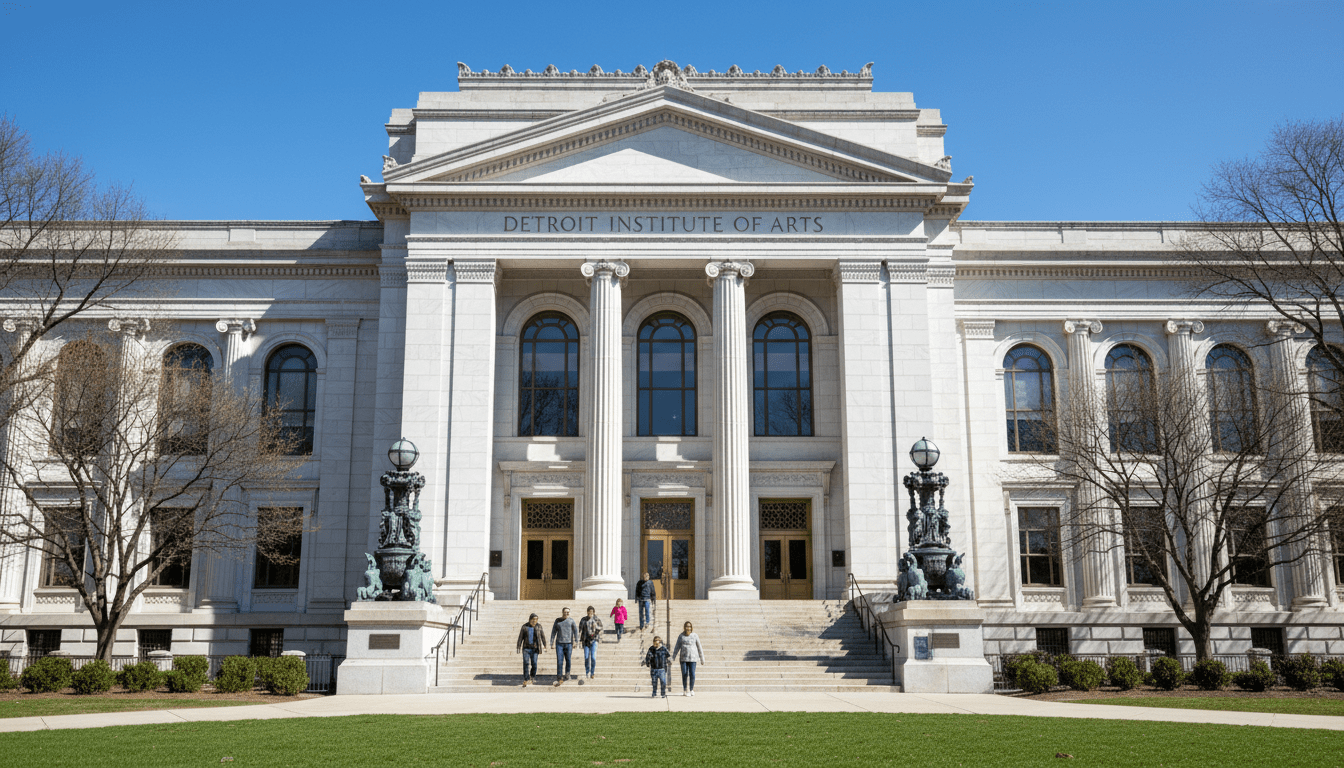
The Detroit Institute of Arts (DIA), a centerpiece of the city’s cultural landscape, has announced a comprehensive lineup of events specifically timed for the break. According to the museum’s published schedule, the DIA will be open with special holiday hours to accommodate the increased volume of visitors. The programming moves beyond standard gallery viewing, incorporating hands-on workshops and live entertainment aimed at younger demographics.
“We aim to provide a space where creativity and education intersect, especially when students are out of the classroom,” a representative for the museum stated in a release regarding the March schedule. Highlights include drop-in art-making workshops in the learning center and family-friendly guided tours that make the expansive collection accessible to children.
Just down the street, the Michigan Science Center (MiSci) is positioning itself as a hub for interactive learning. Capitalizing on the growing interest in STEM (Science, Technology, Engineering, and Mathematics) fields, MiSci is hosting specialized demonstrations throughout the break. These programs are designed not just to entertain, but to maintain educational momentum while schools are closed. The focus on Detroit education initiatives has been a recurring theme in recent municipal discussions, and spring break provides a unique window for institutions to support that goal informally.
Riverfront and Outdoor Spaces Activate for March
While indoor venues prepare for crowds, the Detroit Riverfront Conservancy is activating its assets to offer outdoor Detroit spring break activities. Despite the unpredictable nature of Michigan’s March weather, the Detroit Riverwalk remains a critical artery for city tourism. The Conservancy has continued to maintain winter features at Valade Park while transitioning toward spring operations.
Local urban planners note that the revitalization of the riverfront has fundamentally changed how residents utilize the city during transitional seasons. “Ten years ago, there were very few options for families downtown during March unless there was a specific sporting event,” said an urban planning analyst familiar with Detroit’s development. “Now, the infrastructure supports a full day of activity, from the Ralph C. Wilson, Jr. Centennial Park progress to the established promenades along the river.”
This shift is vital for the local economy. Data suggests that activating public spaces encourages longer dwell times in the city, which correlates directly with increased spending at nearby restaurants and retail outlets. The seamless connection between the riverfront and the central business district is a key component of the city’s broader strategy to boost local commerce.
Impact on Detroit Residents and Families
For Detroit families, the availability of high-quality, local programming offers a necessary reprieve. With the cost of air travel and gas prices fluctuating, the option to explore world-class museums and parks within a short drive is an economic stabilizer for household budgets. The focus on Detroit spring break activities within the city limits allows residents to engage with their community without the financial strain of long-distance travel.
Furthermore, many of these programs are subsidized or free for residents. The DIA, for instance, offers free general admission to residents of Wayne, Oakland, and Macomb counties, a policy supported by the regional arts millage. This accessibility ensures that the cultural capital of the city is shared equitably among its taxpayers, making high-end cultural experiences available to a diverse socioeconomic demographic.
“Having these resources available locally means parents don’t have to scramble to find productive things for their kids to do,” said a local community organizer working with Detroit youth programs. “It keeps kids safe, engaged, and learning, rather than sitting at home.”
Economic Context and Local Business Boost
The influx of families into Midtown and Downtown during spring break creates a micro-economic boom for small businesses. Restaurants, coffee shops, and souvenir stores typically see a spike in midday revenue during school holiday weeks. The Detroit small business growth sector relies on these seasonal surges to bridge the gap between the winter lull and the summer festival season.
According to Visit Detroit, the convention and visitors bureau, maximizing the potential of local tourism is a pillar of the region’s post-pandemic recovery strategy. By marketing Detroit as a destination for locals as well as out-of-towners, the city fosters a resilient economy that is less dependent on national travel trends.
Local business owners in the Cass Corridor have reported preparing for the week by increasing inventory and staffing levels. The synergy between the cultural institutions and private commerce highlights the interconnected nature of Detroit’s economic ecosystem.
Future Outlook for Seasonal Programming
As Detroit continues to develop its reputation as a cultural destination, the scope of spring break programming is expected to grow. Future developments, such as the completion of new greenways and the expansion of the arts district, will likely provide even more venues for seasonal activation. For now, the 2024 lineup of events reflects a city that is confident in its ability to entertain and educate its own citizens.
Residents are encouraged to check the official websites of specific venues for the most up-to-date information regarding operating hours and ticket availability. For a broader look at regional tourism efforts, readers can consult Visit Detroit for comprehensive guides and calendars.