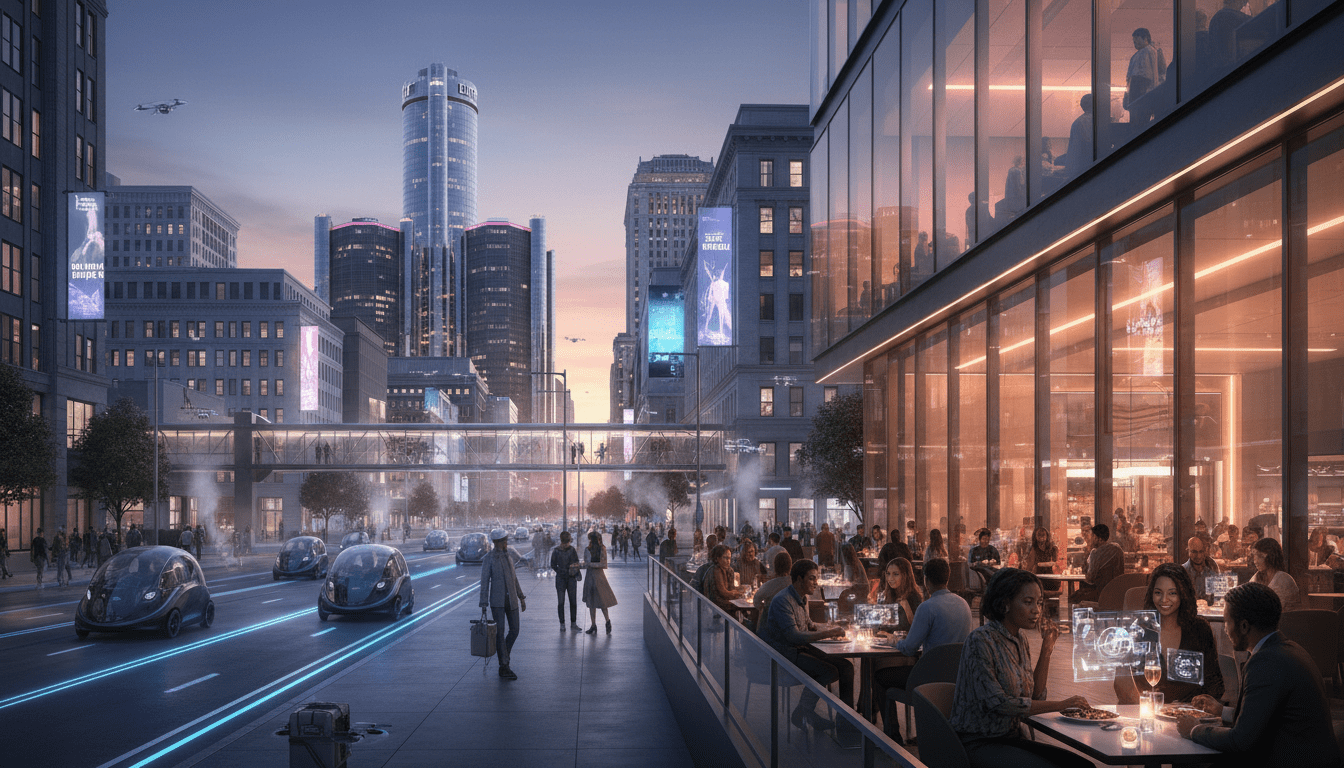
As Detroit continues its rapid urban evolution, the culinary landscape is poised for a significant transformation over the next two years. With several massive real estate developments scheduled to reach maturity, Detroit restaurant openings in 2026 are expected to bring a new wave of high-concept dining, international flavors, and community-focused eateries to the city’s core and neighborhoods.
Industry analysts and local developers are already pointing to 2026 as a landmark year. The completion of major projects, such as the Hudson’s Detroit tower and the continued expansion of The District Detroit, creates millions of square feet of mixed-use space, much of which is earmarked for hospitality. For local food lovers and industry watchers, the anticipation centers not just on who will open, but on how these new spaces will integrate with the city’s existing cultural fabric.
Anchoring the Skyline: Hudson’s and The District Detroit
The most talked-about additions to the Hudson’s site progress involve the dedicated hospitality zones within the skyscraper. Developers have indicated that the podium levels will host a mix of fast-casual food halls and fine dining establishments designed to attract both office workers and tourists. While specific tenant names remain under wraps, leasing brochures suggest a focus on James Beard Award-winning chefs and regional restaurateurs looking to establish flagship locations in Detroit.
Similarly, The District Detroit is moving forward with its vision to connect Midtown and Downtown. With the University of Michigan Center for Innovation acting as a catalyst, the surrounding blocks are slated to welcome a density of dining options by 2026 that caters to the influx of students and tech workers.
According to the Detroit Economic Growth Corporation (DEGC), activating street-level retail with diverse dining options is a priority for these tax-incentivized developments. The strategy aims to keep foot traffic high beyond standard business hours, effectively creating 18-hour neighborhoods.
Impact on Detroit Residents
For long-time Detroiters, the influx of new dining establishments brings a mix of excitement and caution. On one hand, the expansion of the food scene means more jobs. The hospitality sector provides a wide range of employment opportunities, from entry-level positions to specialized culinary careers. Local workforce development programs are reportedly ramping up training initiatives to ensuring Detroit residents are the first in line for these new roles.
However, the question of affordability remains central. As high-profile Detroit restaurant openings target the luxury and business demographics, community advocates emphasize the need for accessible dining options. “It is vital that the development of our culinary scene includes spaces where existing residents feel welcome and can afford to eat,” said a representative from a local neighborhood association during a recent town hall meeting regarding downtown development.
Neighborhood Expansion: Beyond Downtown
While the skyline gets the attention, significant activity is projected for neighborhoods like Corktown and the Jefferson Chalmers area. In Corktown, the maturation of the Michigan Central Station district is expected to draw a second wave of restaurant investment by 2026. Following the initial excitement of the station’s reopening, the surrounding streets are seeing proposals for adaptive reuse projects that turn historic structures into modern brasseries and cafes.
Furthermore, smaller commercial corridors are benefiting from city grants aimed at blight removal and business activation. See our report on commercial corridor grants for more details on how funding is being allocated to support local entrepreneurs. These initiatives suggest that 2026 will see a rise in locally-owned bistros and family-run restaurants in areas previously categorized as food deserts.
Background & Data: The Hospitality Trajectory
Data from regional tourism bureaus indicates a steady climb in visitor spending on food and beverage in Southeast Michigan. The projection for 2026 aligns with the city’s goal to host larger conventions and sporting events, which necessitates a robust dining infrastructure.
Real estate reports show that retail vacancy rates in prime Detroit locations have been tightening, driving demand for new construction. This economic pressure is reshaping the food scene, pushing restaurateurs to innovate with smaller footprints or hybrid retail-dining concepts to manage overhead costs while maximizing customer engagement.
What Happens Next?
As we approach 2026, residents can expect a series of announcements regarding specific chef partnerships and restaurant concepts. The timeline for the Hudson’s site and other major developments suggests that lease signings will be public by late 2025, setting the stage for a busy year of grand openings.
The focus for the city remains on balancing this rapid growth with equity, ensuring that the booming Detroit restaurant openings contribute to a vibrant, inclusive economy that serves all Detroiters.