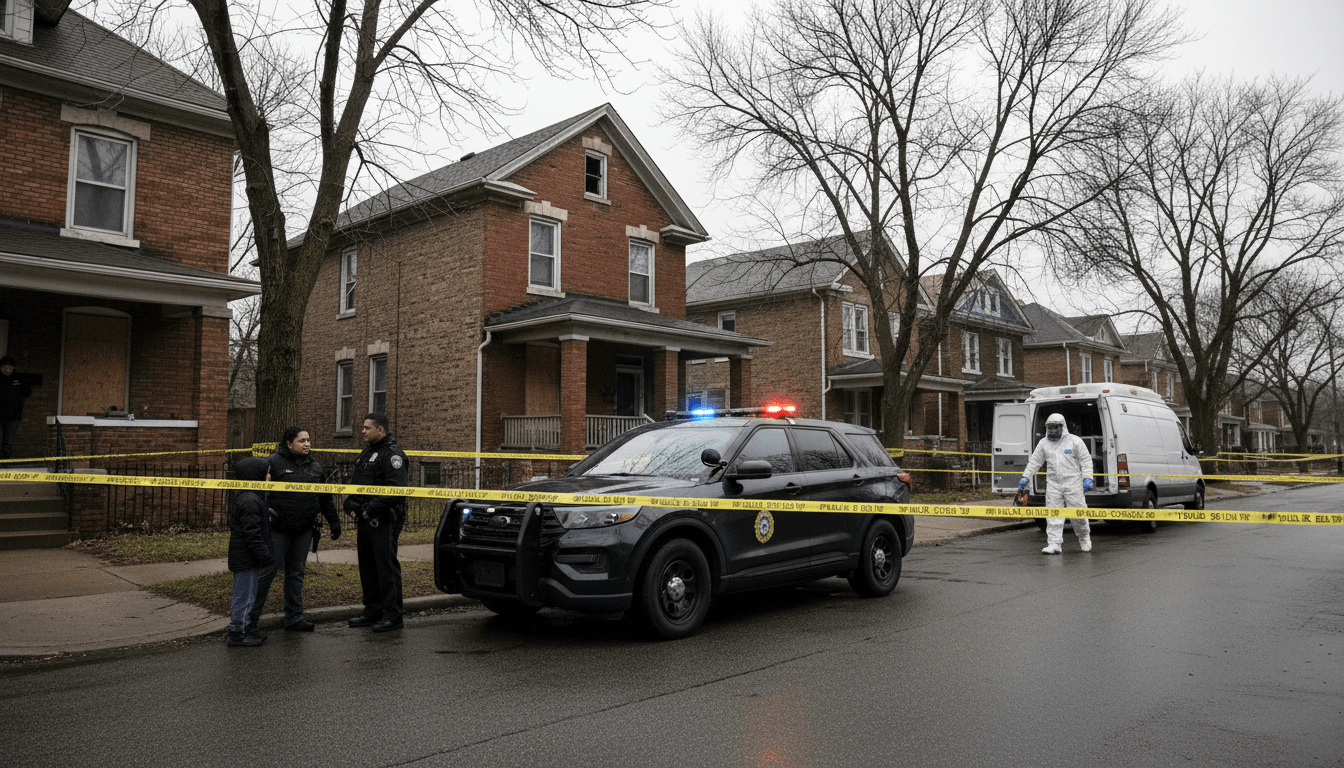
Residents in Detroit’s University District were left searching for answers early Tuesday morning after a pervasive and strange smell emanating from a closed house led to a police entry and subsequent hazardous materials investigation. What began as a neighborhood mystery on the 17000 block of Parkside Street quickly evolved into an active crime scene, highlighting ongoing challenges with vacant properties in the city.
Police Entry and Discovery
According to the Detroit Police Department (DPD), officers were dispatched to the residence at approximately 9:30 a.m. after receiving multiple 911 calls from concerned neighbors reporting a pungent, chemical-like odor. The property, which residents believed had been unoccupied for several months, was secured from the outside.
“Officers arrived and confirmed a strong, unidentified odor coming from the structure,” said a DPD spokesperson in a preliminary statement. “Due to the potential risk to public safety and the possibility of a medical emergency inside, a decision was made to perform a forced entry.”
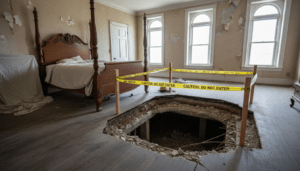
Upon police entry, officers discovered not a medical emergency, but what appeared to be an illegal chemical dumping site stored within the residential property. Preliminary reports suggest the house was being used to store industrial solvents and volatile compounds, posing a significant fire and health risk to the dense residential block.
Impact on Detroit Residents
The incident forced a temporary shelter-in-place order for immediate neighbors while Detroit Fire Department Hazmat units assessed the air quality. For families living in the historic University District, the event was a jarring reminder of the vulnerabilities associated with unmonitored real estate.
“We smell exhaust and city smells all the time, but this was different—it burned your throat,” said a resident who declined to be named. “It is terrifying to think that this was sitting right next door to where my children play.”
Local community leaders have long advocated for stricter monitoring of “closed house” properties to prevent them from becoming targets for illegal dumping or squatting operations. This incident underscores the direct impact that blight and vacancy management have on neighborhood safety.
Context: Vacant Housing and Safety
While the University District is one of Detroit’s more stable and sought-after neighborhoods, the issue of misuse of vacant properties is a citywide concern. According to data from the City of Detroit, efforts to reduce blight have been aggressive, yet thousands of structures remain in transition between ownership or renovation.
Illegal dumping in residential properties is a known environmental crime. The Detroit Land Bank Authority and city inspectors urge residents to report unusual activity at vacant homes immediately. In 2023, the city increased fines for illegal dumping, citing it as a priority for improving quality of life.
“When a house is closed up and unmonitored, it unfortunately becomes a magnet for illicit activities,” noted a representative from a local housing advocacy group. “It isn’t just about aesthetics; as we saw today, it is a matter of public health.”
What Happens Next
The property has been cordoned off as a crime scene while environmental crews work to remove the hazardous materials. DPD has opened an investigation to trace the ownership of the property and identify those responsible for the illegal storage.
City officials stated that air quality monitoring will continue for the next 24 hours to ensure resident safety. For more coverage on local safety and infrastructure, read our report on Detroit Neighborhood Safety Initiatives.