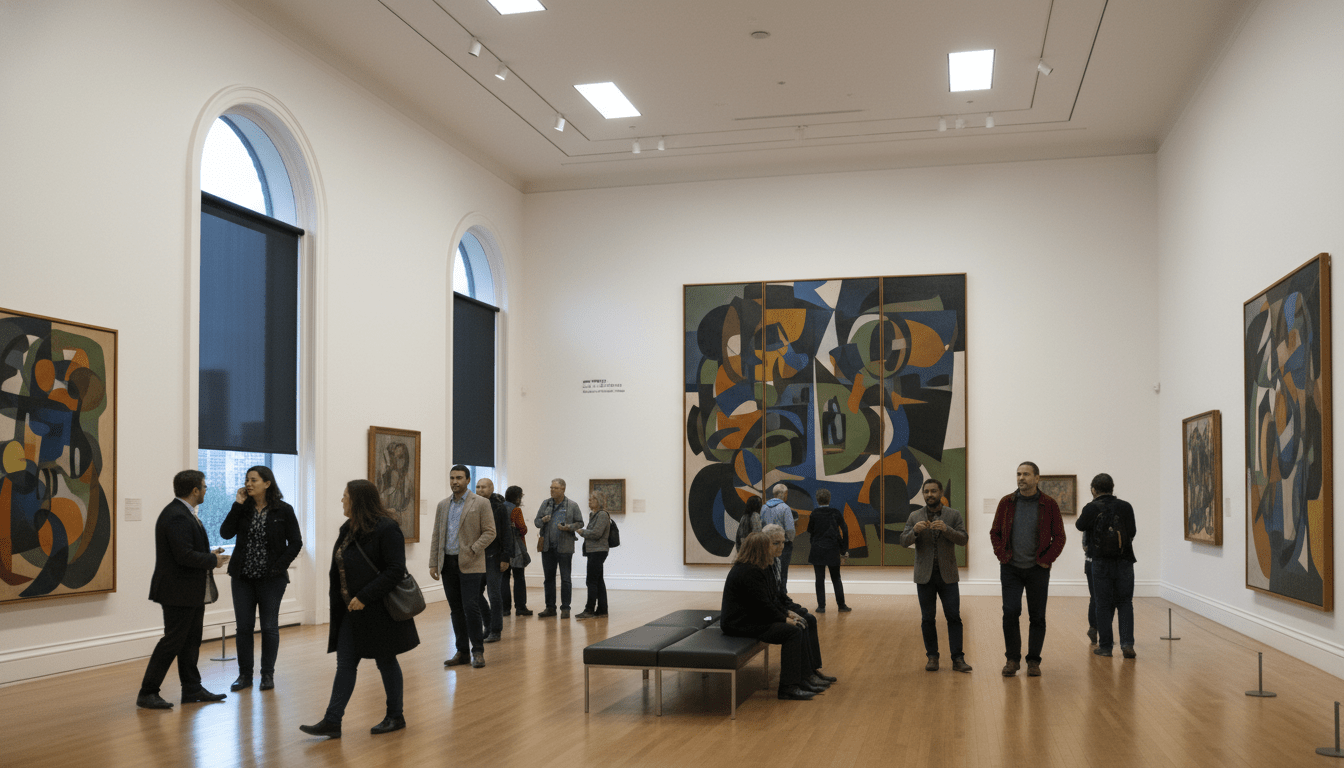
The Detroit Institute of Arts (DIA) has officially announced the unveiling of a significant, previously unseen collection of mid-twentieth-century American works, marking a major milestone for the city’s cultural landscape. This exhibition, titled “Unseen Legacies: The Detroit Chronicles,” features over 120 pieces that have remained in private storage for decades, many of which provide a rare glimpse into the social and architectural evolution of Detroit during its industrial peak.
A Deep Dive into Art in Detroit
According to the Detroit Institute of Arts, the collection was acquired through a series of anonymous donations and strategic archival recoveries over the last five years. The works include oil paintings, charcoal sketches, and rare silver-gelatin prints that document the daily lives of workers in the North End and the historic Black Bottom neighborhoods. This Detroit museum exhibition is not merely an aesthetic display; it is a historical record of a city in transition.
Art historians at the DIA suggest that this specific rare collection fills a critical gap in the regional narrative. Much of the art Detroit produced during the 1940s and 50s focused on industrial output, but these pieces highlight the intimate, human side of the city’s heritage. The exhibition includes works from local legends who worked alongside national figures, providing a comprehensive view of the Midwestern art movement. This cultural news comes at a time when the city is seeing a renewed investment in public history and heritage preservation.
Impact on Detroit Residents
For the residents of Wayne, Oakland, and Macomb counties, the unveiling offers more than just a new gallery to visit. Under the current tri-county millage agreement, local residents will have free access to the exhibition. Data from the City of Detroit’s Office of Arts, Culture, and Entrepreneurship (Detroit ACE) indicates that increased access to local heritage sites correlates with higher community engagement and a stronger sense of civic identity.
Local educators are also expected to benefit. The DIA has announced a partnership with Detroit Public Schools Community District (DPSCD) to integrate the collection into local history curricula. By seeing their own neighborhoods depicted in world-class art, students gain a tangible connection to the past. This initiative mirrors similar efforts seen in Detroit neighborhoods, where community-led art projects have become a staple of urban revitalization.
Background and Data: The Value of Cultural Institutions
The financial and social impact of the DIA on the region is well-documented. According to a recent report by the Knight Foundation, cultural institutions in Detroit contribute significantly to the local economy, drawing hundreds of thousands of visitors annually. This new rare collection is expected to increase foot traffic by an estimated 15% during its first quarter of display.
Furthermore, statistics from the U.S. Census Bureau and the Bureau of Economic Analysis suggest that the “creative economy” in Michigan, particularly in the Detroit metro area, supports over 10,000 jobs. By hosting this exhibition, the Detroit museum reinforces its role as an economic engine for the Midtown area, driving revenue for nearby Detroit restaurants and small businesses. The cultural news surrounding this event is being closely watched by national curators as a model for how municipal museums can leverage private archives for public benefit.
What Happens Next
The “Unseen Legacies” exhibition is scheduled to open to the public on the first Friday of next month. Curators are currently finalizing the installation, which includes interactive digital kiosks that allow visitors to see the current-day locations of the scenes depicted in the paintings. This bridge between the past and the present is part of the museum’s broader strategy to modernize its storytelling techniques.
The City of Detroit has expressed support for the project, with officials stating that preserving such histories is vital for future urban planning and development. As the city continues to evolve, the DIA’s commitment to showing the art Detroit residents can identify with remains a priority. For more information on tickets and scheduled lectures, residents are encouraged to visit the official Detroit Institute of Arts website.
This landmark event serves as a reminder that even in a city as well-documented as Detroit, there are still stories waiting to be told. The rare collection is not just a look back, but a foundation for the future of the city’s artistic expression.