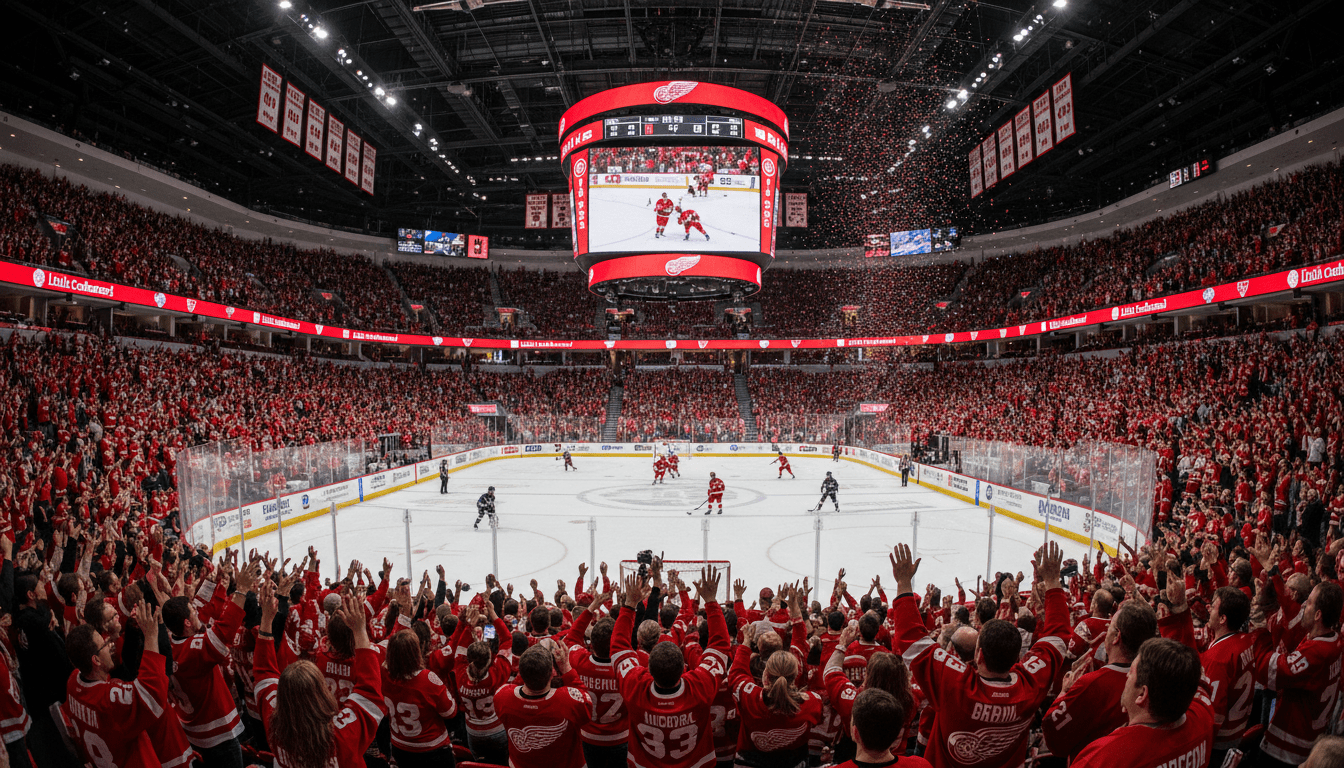
Detroit has long been hailed as one of the premier sports towns in America, a city where the fortunes of its professional franchises often mirror the collective mood of its residents. However, as the 2023-2024 seasons have progressed, a distinct shift in consumer behavior and fan engagement has emerged. While the Detroit Lions recently provided a historic playoff run that galvanized the city, the focus of the winter and spring sports calendar has increasingly narrowed toward the ice. Detroit Red Wings fans are displaying a level of fervor not seen in nearly a decade, even as interest in the city’s other major franchises, specifically the Detroit Pistons and the Detroit Tigers, faces significant challenges.
The Resurgence of Hockeytown
For several years, the Detroit Red Wings were in a state of deliberate rebuilding, a process local fans have dubbed the ‘Yzerplan,’ named after General Manager Steve Yzerman. According to data reported by the Detroit Free Press, the Red Wings have seen a marked increase in both television ratings and ticket demand over the last twelve months. The team’s competitive stance in the Eastern Conference playoff race has transformed Little Caesars Arena (LCA) from a quiet venue into a raucous environment reminiscent of the Joe Louis Arena era.
The surge in interest is not merely anecdotal. Market analysts point to the team’s ability to retain young stars and aggressive free-agent acquisitions as the primary drivers. Unlike other local franchises currently in transition, the Red Wings have demonstrated a clear upward trajectory that resonates with a blue-collar fanbase that values effort and tangible progress.
The Pistons and Tigers Struggle for Relevance
The pivot toward the Red Wings is happening in a vacuum created by the historic struggles of the Detroit Pistons. The Pistons’ recent 28-game losing streak—the longest single-season skid in NBA history—has had a quantifiable impact on local sports interest. While the team remains a core part of the District Detroit ecosystem, attendance and secondary market ticket prices have fluctuated wildly, often hitting league lows during the mid-winter months.
Similarly, the Detroit Tigers are entering a season where fan skepticism remains high. Despite a promising young core, years of rebuilding without a playoff appearance have led to a ‘wait-and-see’ attitude among the general public. Data from the U.S. Census Bureau regarding discretionary spending in the Midwest suggests that families are becoming more selective about which live sporting events they attend, with Detroit Red Wings fans proving more willing to open their wallets for a team that is actively contending for a post-season berth.
Impact on Detroit Residents and Local Business
This shift in fan focus has direct implications for the local economy. Business owners in the Midtown and Downtown areas report that game-day revenue is significantly higher on nights when the Red Wings play compared to Pistons game nights. According to local business associations, the ‘hockey crowd’ tends to stay longer in the city, patronizing bars and restaurants both before and after the final horn.
“The energy is just different when the Wings are winning,” said one restaurant manager near Woodward Avenue. “We see more foot traffic, more jersey-wearing fans, and a general sense of optimism that hasn’t been here for a while. It’s the primary driver of our Tuesday and Thursday night revenue.”
Furthermore, the increased demand for hockey has spurred more investment in youth programs and local ice rinks. The Red Wings’ success serves as a cultural anchor, providing a sense of community identity that is currently missing from the hardwood and the diamond. This social impact is a critical component of Detroit’s ongoing urban revitalization, as sports remain one of the few avenues that bring diverse populations together in a shared space.
Background & Data
According to viewership statistics from Bally Sports Detroit, Red Wings broadcasts have consistently outperformed other regional sports programming in the Detroit market over the winter quarter. While the Detroit Lions captured the lion’s share of attention during their NFC Championship run, the Red Wings have successfully captured the ‘carry-over’ audience—fans who are hungry for winning sports and are finding it at the rink.
External reporting from The Detroit Free Press indicates that the Red Wings’ merchandise sales have increased by double digits year-over-year. This contrast is stark when compared to the Pistons, whose branding efforts have struggled to overcome the team’s on-court performance. Additionally, the tax revenue generated from ticket sales and concessions at Little Caesars Arena remains a vital part of the city’s general fund, making the health of these franchises a matter of public interest.
What Happens Next
The future of Detroit sports interest will largely depend on the ability of the Pistons and Tigers to replicate the Red Wings’ successful turnaround. As the Red Wings move closer to a potential playoff return, the city is bracing for an economic and social boost. For the Pistons, the focus shifts to the upcoming NBA Draft and the potential for a high lottery pick to spark renewed interest. For the Tigers, the focus is on a strong start to the MLB season to win back a wary fanbase.
In the meantime, the Red Wings have reclaimed their throne as the city’s primary winter sports attraction. For Detroit Red Wings fans, the ‘Yzerplan’ is no longer a distant hope but a present reality, proving that in the Motor City, winning is the ultimate cure for fan apathy. As the team continues its push toward the playoffs, the lights at Little Caesars Arena will likely continue to shine the brightest in the Detroit sports landscape.