Detroit is undergoing a significant structural shift as it pivots from its legacy as a traditional manufacturing powerhouse to a diversified leader in global technology. Central to this transformation is the rise of Detroit innovation districts—geographically defined areas where leading-edge anchor institutions and companies cluster and connect with start-ups, business incubators, and accelerators.
From the restored corridors of Corktown to the academic engine of Midtown, these hubs are attracting billions in investment and creating a new blueprint for urban revitalization. According to the Detroit Economic Growth Corporation (DEGC), the city’s strategic focus on these specialized zones is designed to foster a sustainable startup ecosystem in Detroit that leverages the region’s existing engineering talent while inviting new players in the mobility, fintech, and green energy sectors.
The Anchor of Corktown: Michigan Central and Newlab
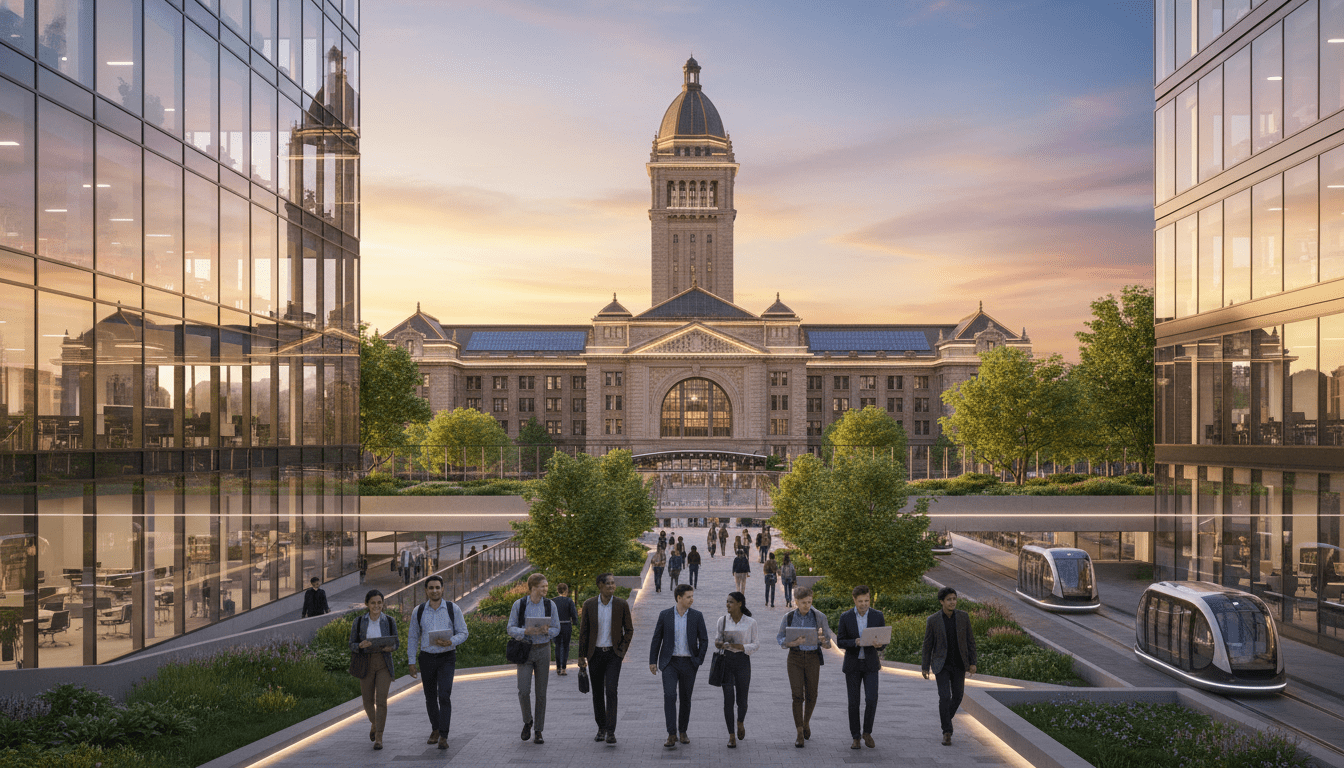
Perhaps the most visible symbol of this evolution is the Michigan Central project in Corktown. Led by Ford Motor Company, the 30-acre campus is anchored by the restored Michigan Central Station, which now serves as a centerpiece for a mobility-focused innovation district. This area has quickly become one of the premier Detroit innovation districts, drawing international attention for its focus on the future of transportation.
Within this ecosystem, Newlab at Michigan Central has become a critical node for growth. In its first year of operation, Newlab reported that it had already attracted nearly 100 startups and over 600 members, many of whom moved to Detroit specifically to participate in this hub. The facility provides shared workspaces, advanced prototyping labs, and a collaborative environment that allows startups to scale faster than they could in isolation.
Local officials note that this is not just about real estate; it is about creating a density of talent. Per reports from the City of Detroit Mayor’s Office, the concentration of tech firms in Corktown is part of a broader “Innovation Corridor” strategy that aims to link the city’s historic neighborhoods with modern high-growth industries.
TechTown and the Academic Engine in Midtown
While Corktown focuses on mobility, the Midtown area continues to serve as a foundational tech hub in Detroit, driven by the presence of Wayne State University. TechTown Detroit, the city’s most established business incubator and accelerator, has been a cornerstone of the startup ecosystem in Detroit for nearly two decades.
According to data from the Michigan Economic Development Corporation (MEDC), TechTown has supported thousands of entrepreneurs, helping them create jobs and secure millions in venture capital funding. The strength of this district lies in its proximity to the University Cultural Center, where researchers and students can transition academic projects into commercially viable businesses. This synergy between education and entrepreneurship is a hallmark of successful Detroit innovation areas, ensuring that the local workforce is directly involved in the city’s tech-driven future.
Impact on Detroit Residents
The expansion of these business districts in Detroit is often viewed through the lens of corporate investment, but local leaders emphasize the importance of community accessibility and workforce development. For residents, these districts represent more than just new buildings; they represent a changing job market.
“The goal is to ensure that the innovations happening in these hubs are accessible to the people who have lived in Detroit for generations,” a spokesperson for the DEGC stated during a recent economic forum. To facilitate this, many of the companies within the Detroit innovation districts have partnered with local community colleges and non-profits to offer coding bootcamps, technical certifications, and apprenticeships.
Furthermore, the physical development of these areas often includes improvements to public infrastructure. Projects like the Joe Louis Greenway and increased investment in the QLine streetcar system are designed to connect residents from surrounding neighborhoods to these high-growth employment centers. However, some community advocates remain cautious, citing the need for affordable housing protections to ensure that the success of these tech hubs doesn’t lead to the displacement of long-term residents.
Background & Data: The Economic Numbers
Data from the U.S. Census Bureau and the MEDC suggest that Detroit’s professional, scientific, and technical services sectors are among the fastest-growing in the region. Since 2018, the city has seen a steady increase in the number of high-tech firms establishing headquarters or secondary offices within city limits.
A recent report by Startup Genome, which ranks global startup ecosystems, highlighted Detroit as a top emerging hub, citing the city’s significant venture capital growth and the strength of its manufacturing heritage as key differentiators. The report noted that Detroit’s ability to blend “old economy” hardware expertise with “new economy” software development has created a unique niche that other cities struggle to replicate.
The growth is also reflected in property values within these districts. Commercial real estate data shows that office space demand in Detroit innovation areas has remained resilient, even as other major cities struggle with high vacancy rates post-pandemic. Businesses are increasingly looking for “amenity-rich” environments where their employees can live, work, and socialize in a walkable urban setting.
What Happens Next: Scaling the Model
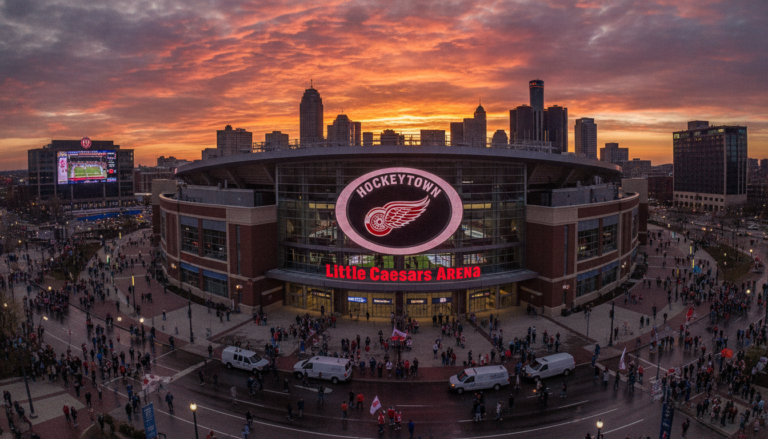
The next phase of Detroit’s economic evolution involves scaling the success of the current innovation districts to other parts of the city. Plans are currently underway for the “District Detroit,” a massive multi-block development intended to further bridge the gap between Downtown and Midtown. This project, which includes a proposed University of Michigan Center for Innovation, is expected to serve as another major catalyst for the startup ecosystem in Detroit.
As these projects move forward, the focus will remain on maintaining a balanced economy. While the tech sector is a vital component of the Detroit business landscape, city officials acknowledge that it must coexist with other sectors like healthcare and traditional manufacturing. By creating a diverse network of Detroit innovation districts, the city hopes to build a more resilient economy that is less susceptible to the cyclical nature of any single industry.
Residents interested in learning more about the developments in their specific neighborhoods can visit the City of Detroit Planning and Development Department website for updated master plans and community meeting schedules. For more stories on the city’s growth, visit the development section of Detroit City News.