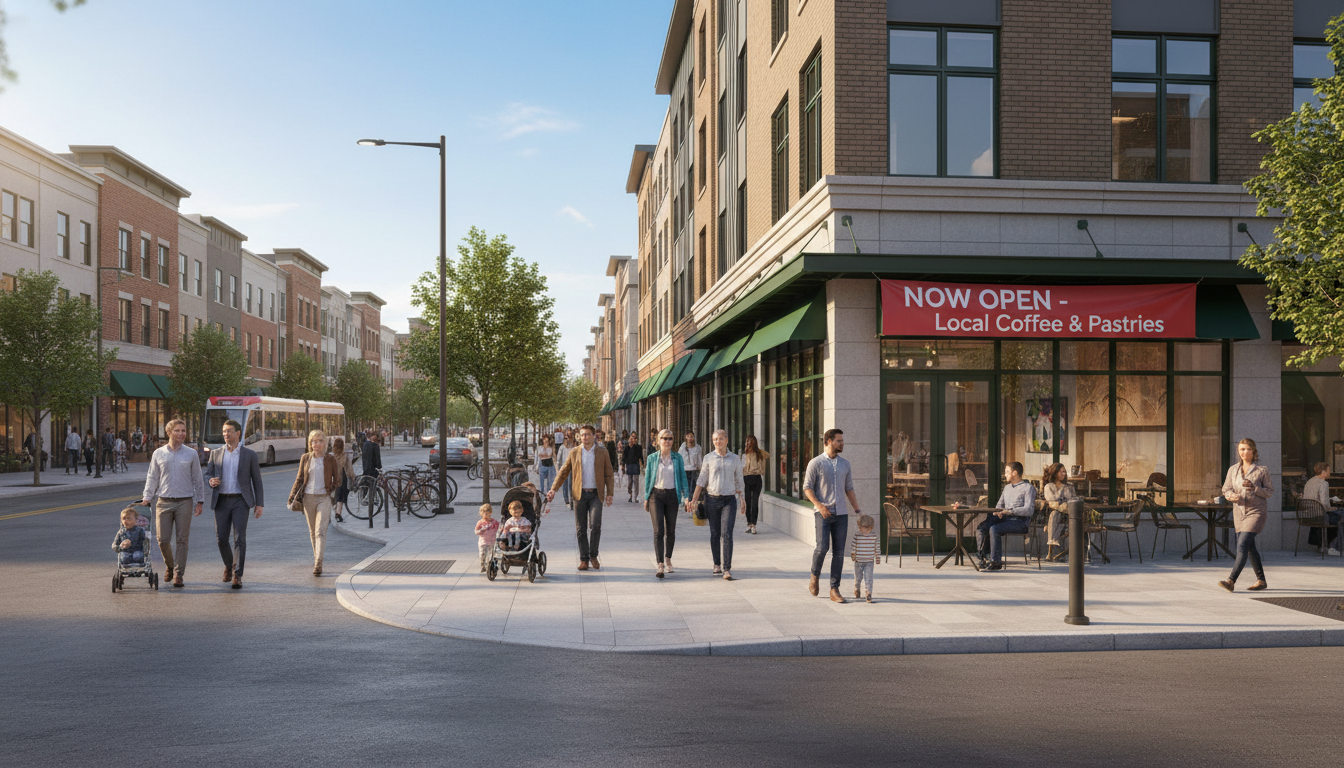
For years, the narrative surrounding the decision to invest in Detroit focused almost exclusively on the skyscraper-laden skyline of Downtown and the rapid gentrification of Midtown. However, a significant shift is occurring as institutional capital, philanthropic funds, and private developers pivot toward the city’s residential neighborhoods. This move away from the core is not accidental; it is the result of a coordinated effort between the municipal government, local non-profits, and major financial institutions aiming to revitalize commercial corridors that have sat dormant for decades.
The Rise of Public-Private Partnerships
Central to this revitalization is the Strategic Neighborhood Fund (SNF), a public-private partnership aimed at improving parks, streetscapes, and commercial corridors. According to the City of Detroit, the SNF has leveraged over $150 million in its current phase to jumpstart development in areas like Livernois-McNichols, Jefferson Chalmers, and Southwest Detroit. These investments are designed to create a flywheel effect, where public infrastructure improvements lead to increased private confidence.
Economic analysts suggest that the strategy is working. Data from the City of Detroit Planning and Development Department indicates that for every public dollar spent in these targeted areas, several more are following from private real estate developers. This influx of capital is transforming vacant storefronts into mixed-use developments that offer both affordable housing and retail space for local entrepreneurs.
Impact on Detroit Residents
The primary goal of these initiatives is to foster the “20-minute neighborhood” concept, where residents can meet most of their daily needs within a short walk or bike ride from their homes. For long-term Detroiters, this means more than just aesthetic improvements; it means access to fresh food, healthcare, and employment opportunities that were previously out of reach.
Local business owners have noted a tangible difference in foot traffic following streetscape improvements. On the Avenue of Fashion, the widening of sidewalks and the addition of greenery have encouraged a new generation of shoppers to visit the historic district. This growth is bolstered by small business growth initiatives that provide grants and technical assistance to neighborhood-based startups, ensuring that the economic recovery is inclusive of those who stayed in the city during its most challenging years.
However, the rapid pace of change has also brought concerns regarding property taxes and displacement. To address this, the city has implemented various programs to help long-term homeowners stay in their properties as valuations rise. The balance between attracting new residents and protecting existing ones remains a central pillar of the city’s urban planning strategy.
Real Estate and Financial Growth Data
The appetite to invest in Detroit is reflected in the residential real estate market as well. According to reports from the Michigan Economic Development Corporation (MEDC), the city has seen a steady increase in the number of building permits issued for multi-family dwellings outside of the downtown core. In 2023, the city saw a record number of affordable housing units preserved or newly constructed, a feat attributed to the layering of federal tax credits and local subsidies.
Furthermore, data from the U.S. Census Bureau highlights a stabilizing population in several of these key neighborhoods, reversing a decades-long trend of outward migration. This stabilization is a key metric for institutional investors who look for long-term viability before committing to large-scale projects. As Detroit real estate trends continue to show resilience, the city is increasingly being viewed as a competitive alternative to higher-cost markets in the Midwest like Chicago or Minneapolis.
The Role of Large-Scale Employers
Beyond small businesses, large-scale industrial investments are also playing a role in neighborhood stabilization. The opening of new manufacturing facilities, such as the Stellantis Mack Assembly Plant, has created thousands of jobs, many of which are filled by Detroit residents through local hiring preferences. These industrial anchors provide the economic base necessary to support the surrounding retail and service sectors, creating a holistic ecosystem of growth.
Background & Historical Context
To understand the current momentum, one must look at the bankruptcy exit of 2014, which served as a reset button for the city’s financial management. Since then, Detroit has maintained a string of balanced budgets and earned multiple credit rating upgrades from major agencies like Moody’s and S&P Global. This fiscal stability is the bedrock upon which current investment is built.
Groups like Invest Detroit have been instrumental in bridging the gap between traditional bank lending and the needs of neighborhood developers. By providing flexible capital and gap financing, these organizations have enabled projects that might otherwise have been deemed too risky by conventional lenders. This collaborative approach has become a national model for post-industrial city recovery.
What Happens Next
Looking ahead, the focus is expected to shift toward the Joe Louis Greenway, a planned 27.5-mile loop of trails that will connect dozens of neighborhoods across the city. Much like the Dequindre Cut, the Greenway is expected to become a major catalyst for real estate development along its path. Early speculators are already looking at land acquisition near the proposed trailheads, signaling the next wave of neighborhood-level investment.
As the city continues to implement its vision for a more equitable and connected urban environment, the message to the global financial community is clear: the opportunity to invest in Detroit is no longer confined to its central business district. The neighborhoods, once overlooked, are now the frontline of the city’s economic future, offering a blend of historic charm and modern potential that is unique in the American landscape.