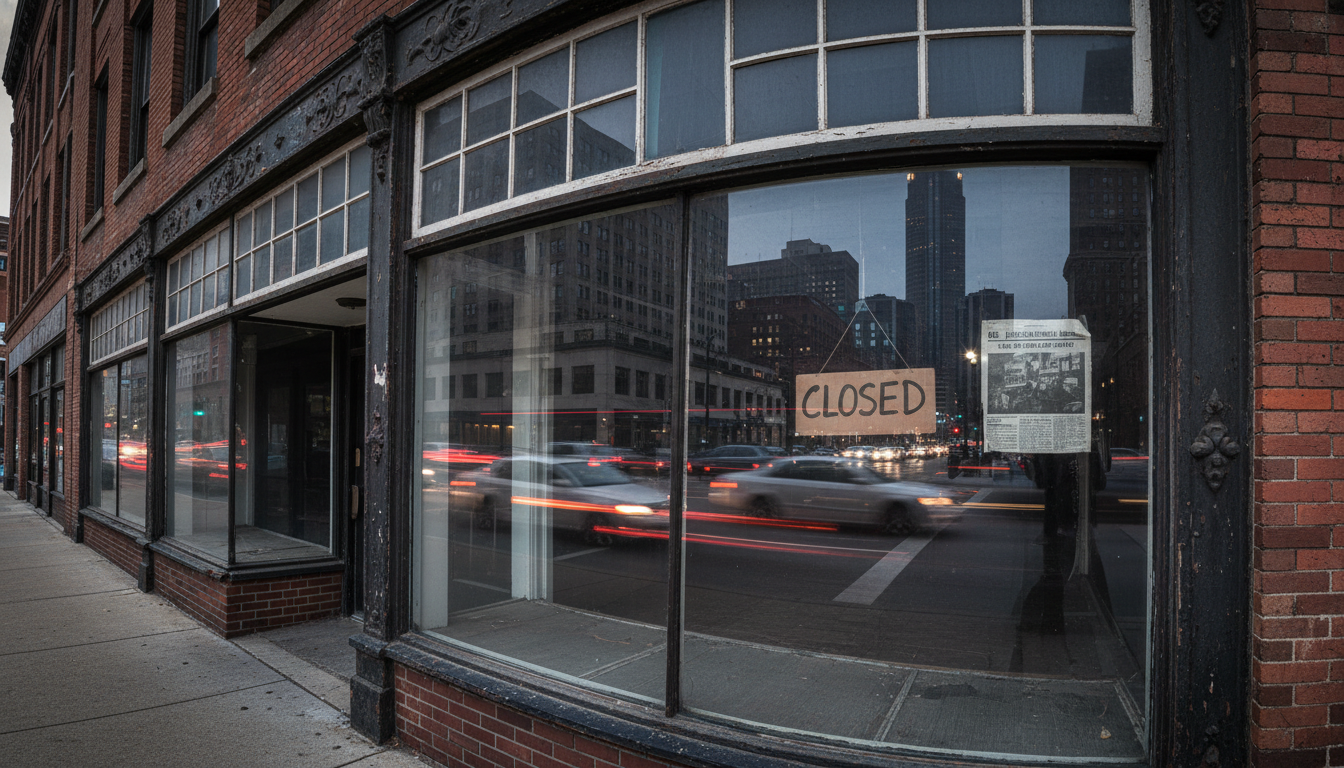
The Detroit hospitality and retail landscape is undergoing a significant transformation as several well-known establishments have recently shuttered their doors. While the city has celebrated a decade of revitalization, a combination of soaring operational costs, shifting consumer habits, and lower-than-expected foot traffic in key corridors has forced even established brands to exit the market. This trend of Detroit business closures has raised questions about the long-term sustainability of the current economic model for small to medium-sized enterprises in the city.
The Weight of Rising Operational Costs
For many local proprietors, the decision to close is not based on a single factor but a compounding list of expenses that have become unmanageable. According to data from the Michigan Restaurant & Lodging Association (MRLA), the industry has faced unprecedented increases in the cost of goods, utilities, and labor. In Detroit specifically, the push for competitive wages to attract and retain talent has significantly altered the bottom line for many service-oriented businesses.
Property taxes and insurance premiums in the city have also seen upward pressure. As property values in neighborhoods like Corktown and Midtown rise, so do the costs associated with maintaining a physical footprint. Business owners report that while revenue may have returned to pre-pandemic levels in some sectors, the profit margins have been eroded by inflation. When the cost of ingredients or inventory rises by 20% to 30%, and that cost cannot be fully passed on to a price-sensitive consumer base, the business model begins to fracture.
Shifting Consumer Behavior and Low Turnout
Low turnout is the second half of the crisis. The rise of hybrid work models has permanently altered the flow of customers in Downtown and New Center. Before 2020, lunch rushes and after-work happy hours provided the baseline revenue for many Detroit favorites. However, with many office workers only coming into the city two or three days a week, that consistent foot traffic has vanished. This change in urban dynamics is discussed frequently in our coverage of Detroit neighborhoods, where the disparity between residential growth and commercial activity is becoming more apparent.
Data from the Detroit Economic Growth Corporation (DEGC) suggests that while weekend traffic remains strong due to events and sports, weekday activity remains below 2019 benchmarks. For businesses that rely on a seven-day-a-week operational cycle, those slow Mondays and Tuesdays can negate the gains made during a busy Saturday night. This volatility makes it difficult for owners to manage inventory and staffing, often leading to burnout and eventual closure.
Impact on Detroit Residents
The ripple effects of these Detroit business closures extend far beyond the owners and their investors. For residents, the loss of local staples means fewer entry-level employment opportunities and the disappearance of community gathering spaces. When a neighborhood anchor closes, it can lead to a decrease in perceived safety and a reduction in the overall vibrancy of the block.
Furthermore, these closures often affect the local supply chain. Detroit-based food producers, local artists, and maintenance services all lose clients when a major restaurant or retail shop goes dark. The loss of tax revenue also impacts the city’s ability to fund essential services, creating a cyclical challenge for the local economy. Residents are also facing fewer choices for affordable dining and shopping within their own neighborhoods, forcing many to travel outside city limits for basic needs.
Background & Data: The Macro Picture
The U.S. Bureau of Labor Statistics (BLS) indicates that the consumer price index for food away from home has continued to rise faster than many other sectors. In Detroit, this is exacerbated by localized logistics challenges and a competitive labor market. Economic analysts suggest that the city is currently in a ‘correction’ phase. The initial boom of high-end openings between 2015 and 2019 may have led to a saturated market in certain categories, particularly in the upscale dining sector.
Recent reports from the City of Detroit’s financial analysts highlight that while corporate investment remains high, small business survival rates have fluctuated. The city has implemented several grant programs to assist, but many owners argue that one-time infusions of capital do not address the systemic issues of high utility rates and the lack of a dense, daily residential population in the downtown core to support diverse retail.
The Role of Commercial Rent
In addition to labor and food costs, commercial rent remains a point of contention. In some high-profile developments, rents have reached levels comparable to much larger metropolitan areas. Without the corresponding volume of customers, these rents become unsustainable. Some landlords have begun offering more flexible terms or revenue-sharing models, but many older leases do not have these protections, leading to sudden departures when renewals come due.
What Happens Next
The future of the Detroit business landscape will likely depend on a pivot toward more resilient business models. Industry experts anticipate a rise in ‘micro-retail’ and shared kitchen spaces, which allow entrepreneurs to test concepts with lower overhead. There is also a growing push for the city to incentivize more residential development at various price points, which would create a more consistent ‘built-in’ customer base for local businesses.
Local advocacy groups are calling for more streamlined permitting processes and a re-evaluation of how commercial properties are taxed to help ease the burden on small operators. As the city prepares for upcoming major events, the focus remains on ensuring that the local businesses that give Detroit its unique character can afford to stay and thrive. While the recent wave of Detroit business closures is a sobering reminder of economic fragility, it also serves as a catalyst for a broader conversation about what kind of city Detroit wants to become and how it supports its most vulnerable economic engines.