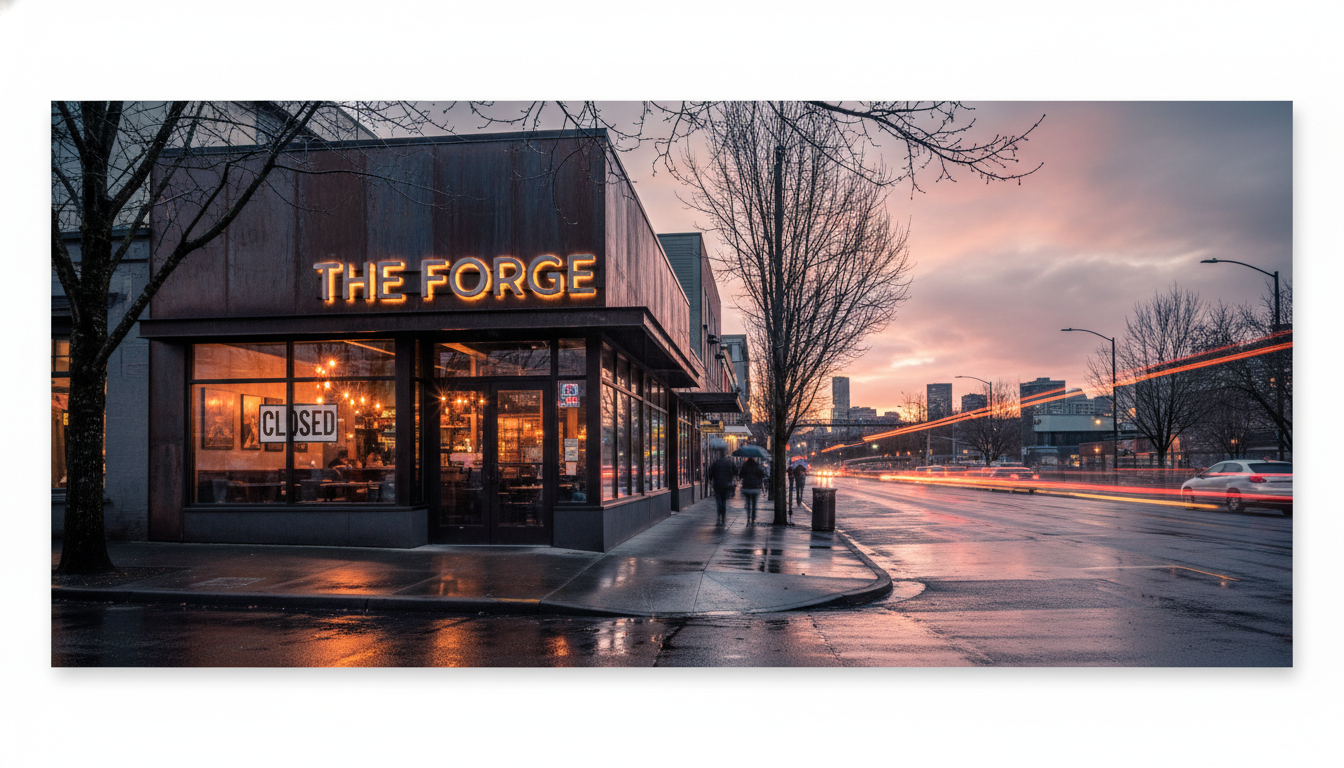
The city of Portland, Oregon, has long been celebrated as a premier destination for culinary enthusiasts, but a recent wave of sudden closures among Portland restaurants is raising alarms for the hospitality industry across the country. From award-winning fine dining establishments to beloved neighborhood bistros, the "Rose City" is experiencing a significant contraction in its world-famous food scene. This shift is not merely a local anomaly; it serves as a critical case study for the local business climate and the broader economy of major metropolitan areas, including Detroit.
The Economic Pressures Mounting on Portland Restaurants
According to recent reports from the Oregon Restaurant & Lodging Association (ORLA), the challenges facing the hospitality sector are multifaceted and increasingly difficult to navigate. While the initial post-pandemic recovery showed promise, the reality of sustained inflation, rising labor costs, and a shift in urban foot traffic has created a "perfect storm" for many operators. Data from the U.S. Census Bureau suggests that the cost of goods for Portland restaurants has surged by nearly 25% over the past three years, significantly outpacing the ability of many small businesses to raise menu prices without alienating their loyal customer base.
Labor market dynamics have also played a pivotal role in the recent closures. Oregon has one of the highest minimum wages in the United States, and while this supports local workers, it has forced many independent restaurant owners to rethink their business models. Many establishments have transitioned to counter-service only or have reduced their hours of operation to mitigate the rising cost of payroll. For some, however, these adjustments were not enough to maintain a viable bottom line in a city where the economy is increasingly squeezed by high commercial rents and declining office occupancy in the downtown core.
Impact on Portland Residents and Neighborhoods
The closure of multiple high-profile Portland restaurants has a ripple effect that extends far beyond the owners and their staff. For local residents, these establishments are more than just places to eat; they are social hubs that define the character of neighborhoods like the Pearl District and SE Division Street. When a cornerstone restaurant closes, neighboring retail shops often see a corresponding drop in foot traffic, leading to a broader economic cooling in the immediate area.
Furthermore, the food scene in Portland is deeply integrated with the local agricultural supply chain. Many of the city’s top chefs pride themselves on sourcing ingredients from nearby farms and boutique producers. As more restaurants close their doors, these local suppliers lose vital revenue streams, illustrating the interconnectedness of the local business ecosystem. For employees, the sudden loss of jobs in a niche market makes finding comparable employment difficult, as many other establishments are simultaneously freezing their hiring or reducing staff sizes to survive the same economic pressures.
How Portland’s Challenges Mirror Trends in Detroit
While Portland is over 2,000 miles away from the Great Lakes, the economic ripples are being felt in the Midwest. Detroit’s own hospitality sector, which has seen a surge in investment in areas like Midtown and the Avenue of Fashion, shares many of the same vulnerabilities. As reported in our recent analysis of Detroit business development trends, the rising cost of commercial leases remains a top concern for local restaurateurs who are trying to maintain the city’s momentum.
Detroit business owners are watching the Portland situation closely, recognizing that the "bubble" of high-growth dining can burst if the underlying economic conditions—such as infrastructure support and affordable commercial space—are not prioritized. As we have seen in our reporting on Detroit’s neighborhood revitalization projects, the most successful districts are those that balance new developments with protections for established small businesses. The lesson from Portland is clear: even a world-class reputation cannot fully insulate a city’s culinary industry from the realities of a shifting economy.
Background and Data: The National Context
The trend of restaurant closures is not isolated to the Pacific Northwest. Data from the U.S. Bureau of Labor Statistics indicates that the food services and drinking places subsector has seen one of the highest rates of price increases in the consumer price index. Nationally, the cost of dining out has risen faster than the cost of groceries, a trend that is fundamentally changing how consumers spend their discretionary income. In Portland, this has manifested as a shift away from "celebrity chef" dining toward more utilitarian, quick-service options.
Industry analysts point to the "work-from-home" revolution as another major factor. In cities like Portland and Detroit, the reduction in daily commuters has decimated the lunch crowd that many downtown eateries relied upon for their core revenue. Without the consistent influx of office workers, the local business model for urban restaurants has been forced to rely almost entirely on dinner service and weekend tourism, which is often not enough to cover the overhead of large, multi-story commercial spaces.
What Happens Next for the Portland Food Scene?
Despite the current wave of closures, many industry veterans remain optimistic about the long-term resilience of Portland restaurants. The city still possesses a deep well of culinary talent and a culture that highly values independent, creative ventures. Experts suggest that the current period of contraction may lead to a "reset," where new business models—such as ghost kitchens, shared culinary spaces, and pop-up residences—become the norm rather than the exception.
For now, the focus for Portland’s city government and groups like the Oregon Restaurant & Lodging Association is on policy interventions. Proposals to cap third-party delivery fees and provide property tax relief for small businesses are currently being debated in a bid to stabilize the economy and preserve the city’s identity as a food destination. As the food scene evolves, the ability of these businesses to adapt to a new economic reality will determine whether Portland remains a national leader in the hospitality world or serves as a cautionary tale for other cities in the years to come.