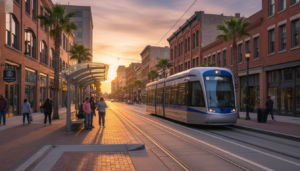
DETROIT — As urban planners and commuters in the Motor City look to solve long-standing hurdles in the local transit system, a significant development in Oregon is offering a potential roadmap for the future. The Portland Streetcar, often cited as a benchmark for modern American streetcar infrastructure, is officially moving forward with a major fleet expansion that has caught the attention of Detroit infrastructure advocates and city officials alike. For a city like Detroit, which is currently re-evaluating its own streetcar model, the progress of Portland transport represents a critical case study in how to scale public transit effectively.
The Growth of Portland Transport and Modern Streetcar Infrastructure
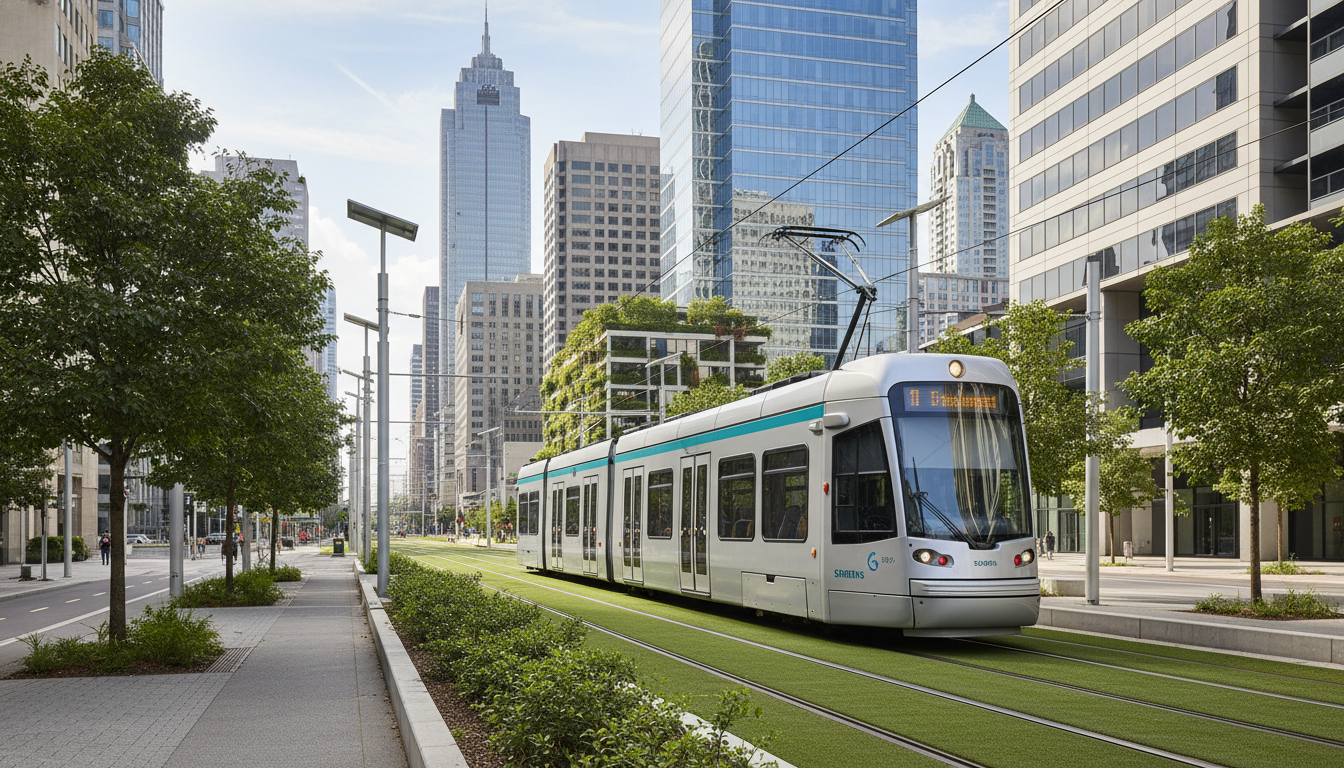
The Portland Bureau of Transportation (PBOT) recently confirmed that it is moving forward with a $71.4 million contract to expand its existing fleet. This investment will introduce several new Siemens S700 streetcars to the city’s network, which currently spans 16 miles of track across the central city. According to official reports from the Portland Bureau of Transportation, these new vehicles are designed to increase capacity and reliability for a system that, prior to the pandemic, saw more than 15,000 daily riders. Unlike many smaller systems, Portland transport has successfully integrated the streetcar into a broader multimodal network that includes light rail, buses, and heavy commuter rail.
The expansion in Oregon is being fueled by a combination of federal grants and local matching funds. Specifically, the Federal Transit Administration (FTA) has provided significant support through the ‘Small Starts’ program, a funding avenue that Detroit leaders have also explored for various infrastructure projects. The introduction of the Siemens S700 is particularly noteworthy for its low-floor design, which improves ADA accessibility and speeds up the boarding process—a major pain point for urban streetcar systems that operate in high-density corridors.
Impact on Detroit Residents and Transit Advocates
While the news originates in Oregon, the implications for Detroit are profound. Local transit advocates, including members of the nonprofit group Transit Riders United (TRU), have long pointed to Portland as a model for what Detroit’s QLINE could become. Currently, the QLINE operates as a 3.3-mile loop on Woodward Avenue, but it has faced criticism for its limited reach and frequent interference from vehicular traffic. The expansion of Portland transport demonstrates that with consistent investment and dedicated right-of-way, a streetcar can evolve from a ‘circulator’ into a primary transit backbone.
“When we look at cities that have successfully expanded their rail systems, there is a clear pattern of incremental growth backed by federal support,” said a spokesperson for a local transit policy group. The recent transition of the QLINE to the Regional Transit Authority (RTA) is the first step toward mirroring the Portland model. By moving from private to public control, Detroit’s streetcar system can finally tap into the same state and federal funding pools that are currently financing the Portland expansion.
Background & Data: Comparing Two Cities
The data behind these two systems reveals a stark contrast in scale. Portland’s system, which launched in 2001, has seen over $4.5 billion in new development along its corridors since its inception. In comparison, Detroit’s Woodward Avenue has seen significant investment since the QLINE opened in 2017, but the transit system itself has not yet expanded beyond its original footprint. Data from the American Public Transportation Association (APTA) suggests that streetcar systems are most effective when they reach a ‘critical mass’ of mileage, typically exceeding 10 miles of total trackage. Portland’s current 16-mile reach is what allows it to function as a legitimate alternative to driving for Oregon residents.
Furthermore, the technical specifications of the new Portland fleet focus on energy efficiency and reduced maintenance costs. The Siemens S700 vehicles feature advanced propulsion systems that use less electricity and have longer service intervals. This is a crucial consideration for the Detroit infrastructure spending plan, as city officials look to reduce the long-term operational costs of the QLINE and DDOT bus services. Improving the reliability of the fleet directly impacts the daily lives of residents who rely on these services to reach jobs in the Midtown and Downtown corridors.
What Happens Next for Urban Transit
As Portland prepares to integrate its new fleet over the next 24 months, Detroit is at a crossroads. The RTA is expected to release a comprehensive study later this year regarding potential expansions of the QLINE, including the possibility of extending service further north toward the Boston-Edison neighborhood or even into the city’s northern suburbs. The success of Portland transport serves as a reminder that infrastructure projects of this scale require a 20-year vision rather than a five-year plan.
The move toward modernizing public transit is also tied to broader economic goals. In Oregon, the streetcar expansion is linked to the ‘Central City in Motion’ plan, which prioritizes transit and pedestrian safety over single-occupancy vehicle travel. For Detroit, a similar shift would require significant changes to Woodward Avenue’s current configuration, including the potential for dedicated transit lanes that prevent cars from blocking streetcar progress. As the city continues to grow, the lessons from Portland’s fleet expansion will likely remain a central point of discussion for the Detroit Department of Transportation and the regional planners tasked with moving the city forward.