In a decisive move to strengthen the city’s educational landscape, Detroit schools are rolling out a series of specialized academic programs and infrastructure upgrades aimed at boosting student enrollment for the upcoming academic year. The Detroit Public Schools Community District (DPSCD) is pivoting toward a strategy of choice and innovation, attempting to lure families back from suburban districts and charter alternatives by offering unique curricula that mirror private sector educational trends.
The push comes at a critical time for Michigan education. As the city continues its broader economic recovery, the health of its public schools remains a primary concern for both long-term residents and new arrivals. According to the Detroit Public Schools Community District, the current initiative focuses not just on keeping students in classrooms, but on providing high-quality, specialized tracks that include Montessori programs, dual-language immersion, and expanded Career and Technical Education (CTE) pathways.
Expanding Curricular Diversity to Attract Families
One of the centerpieces of the district’s new strategy is the expansion of the Montessori model. Historically reserved for private institutions or selective suburban districts, the Montessori approach is now being integrated into more Detroit schools to meet the growing demand from parents who prioritize self-directed learning. By providing these options within the public system, the district hopes to retain middle-class families who might otherwise seek education outside the city limits.
Furthermore, the district has announced a significant investment in dual-language programs. As Detroit’s Hispanic and immigrant populations continue to grow, particularly in Southwest Detroit, the demand for bilingual education has surged. These programs are designed to ensure that students are proficient in both English and Spanish, a skill set that is increasingly valuable in the modern workforce. Local education advocates suggest that these programs are essential for fostering a sense of belonging and academic success in diverse neighborhoods.
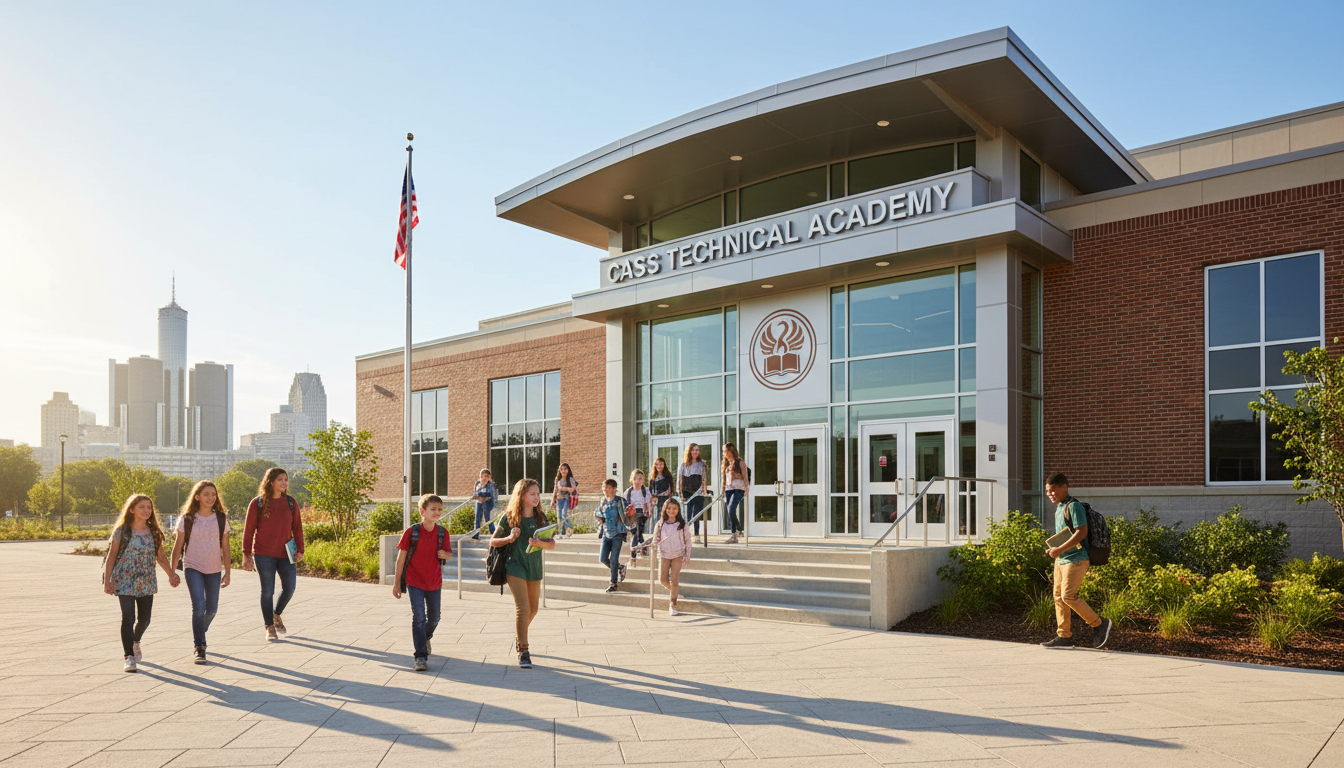
Superintendent Nikolai Vitti has frequently emphasized that the competition for students is fierce. To remain competitive, Detroit schools are also bolstering their CTE offerings. New partnerships with local industries in automotive technology, healthcare, and information technology are providing students with direct pipelines to high-paying jobs immediately after graduation. This pragmatic approach to education is designed to appeal to families looking for a clear return on their investment in the public school system.
Impact on Detroit Residents and Neighborhoods
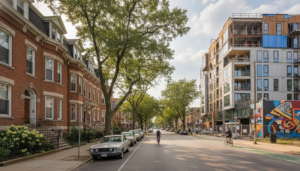
The success of these programs has implications that reach far beyond the classroom. For many residents, the quality of local schools is a deciding factor in whether to stay in a neighborhood or relocate. By improving student enrollment and school performance, the district is effectively supporting Detroit neighborhood revitalization efforts. High-performing schools are known to stabilize property values and attract small businesses that cater to families.
Parents in areas like Grandmont Rosedale and University District have expressed a cautious optimism. For years, families in these stable neighborhoods often looked toward private or parochial schools. With the introduction of more specialized programs, the public option is becoming a more viable contender. The impact on local people is direct: better schools mean shorter commutes for parents, stronger community ties, and a more robust local economy.
According to data from the Michigan Department of Education, school districts are funded primarily on a per-pupil basis. This means that every student who returns to Detroit schools brings vital financial resources that can be used to repair aging buildings, hire more counselors, and reduce class sizes. In this sense, the drive to increase student enrollment is a fight for the very survival and quality of the city’s educational infrastructure.
Background and Enrollment Data Trends
The struggle with enrollment is not a new phenomenon for Detroit. Data from the U.S. Census Bureau and the Michigan Department of Education shows that the district has faced a decades-long decline in student numbers, driven by population loss and the proliferation of charter schools. At its peak in the mid-20th century, the district served hundreds of thousands of students; today, that number is a fraction of what it once was.
However, recent trends indicate a stabilization. In the last several audit cycles, the district has seen smaller losses and even slight gains in certain grade levels. The state’s “Count Day” results remain the most watched metric for educational health in the city. To maintain this momentum, the district is utilizing a portion of its $700 million facility master plan to ensure that the physical environment of Detroit schools matches the quality of the new academic programs. This includes HVAC upgrades, new athletic facilities, and state-of-the-art science labs.
External analysis from organizations like The Michigan Department of Education suggests that while the challenges are significant, the targeted investment in “niche” education is a proven strategy for urban districts across the country. By focusing on what makes Detroit unique, the district can carve out a space that charter schools—which often operate on tighter budgets—cannot easily replicate.
What Happens Next: The 2024-2025 Outlook
As the district prepares for the next round of enrollment windows, the focus shifts to community outreach. The “Parent Academy” and various neighborhood canvassing efforts are designed to inform families about the new opportunities within Detroit schools. The district is also working closely with the City of Detroit to align school improvements with Detroit housing development initiatives, ensuring that as new housing comes online, there is a high-quality school nearby to serve those new residents.
Looking ahead, the sustainability of these programs will depend on consistent state funding and the district’s ability to demonstrate measurable academic growth. If the new programs succeed in boosting student enrollment, it could provide a blueprint for other urban centers in Michigan struggling with similar demographic shifts. For now, the city watches closely as its schools attempt to reinvent themselves for a new generation of Detroiters.
The coming years will be a litmus test for whether specialized curriculum and better facilities are enough to overcome historical challenges. However, for the first time in years, the conversation around Detroit schools is shifting from one of managed decline to one of strategic growth and investment.