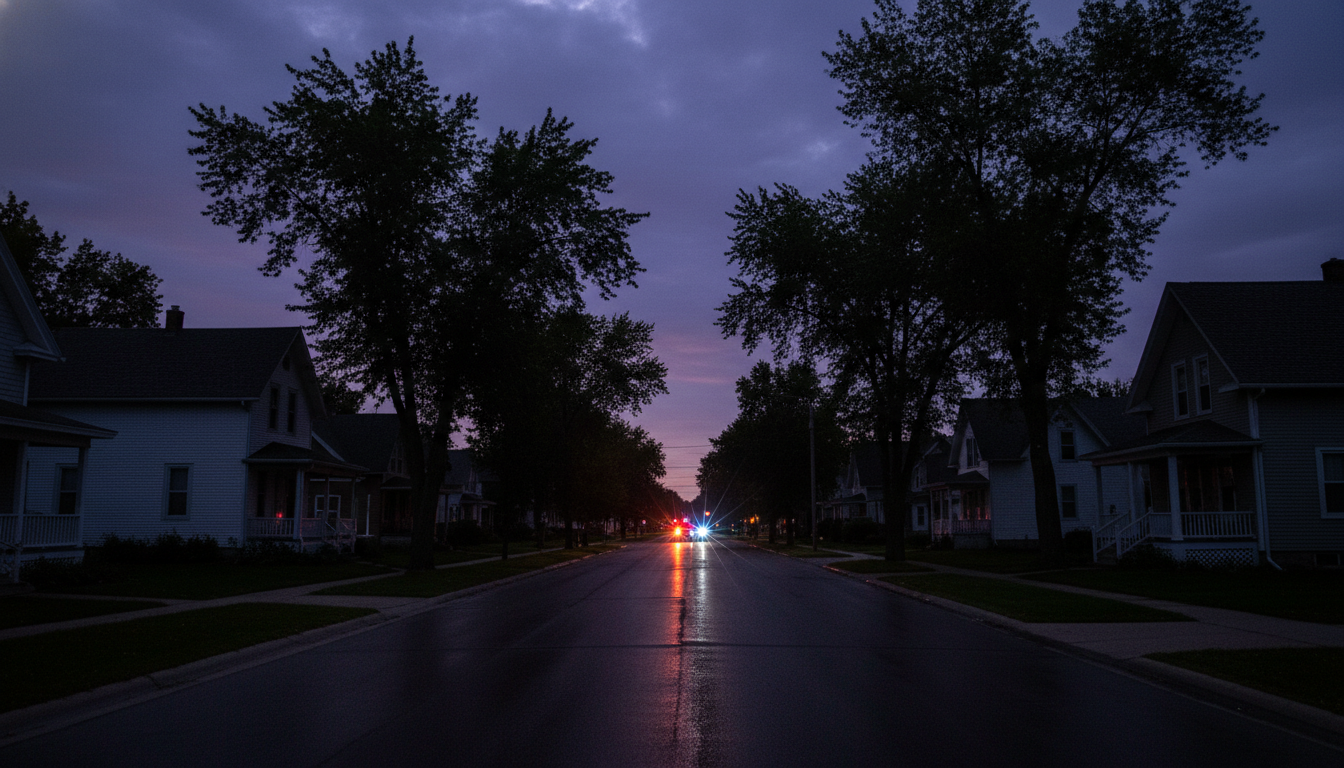
Residents of Detroit Lakes, Minnesota, found themselves in a state of sudden uncertainty on Tuesday evening as a widespread power outage swept across the city, plunging thousands of homes and businesses into darkness. The outage, which began approximately at 6:15 p.m. local time, disrupted traffic, halted local commerce, and forced municipal services into emergency response mode. While utility crews worked through the night to restore service, the incident has raised significant questions regarding the resilience of the local electrical grid during the transition into the colder autumn months.
Details of the Power Outage in Detroit Lakes
According to preliminary reports from Detroit Lakes Public Utilities (DLPU), the blackout affected nearly 4,500 metered customers at its peak. The disruption primarily impacted the central business district and residential neighborhoods surrounding Detroit Lake. Preliminary investigations suggest that a critical equipment failure at one of the city’s primary substations may have triggered a cascade effect throughout the local distribution network.
As the electricity flickered and eventually died, the Detroit Lakes Police Department was immediately deployed to manage traffic at major intersections, particularly along the Highway 10 and Highway 59 corridors. Without functioning traffic signals, these high-traffic areas became significant safety hazards. “Our priority during a sudden power outage is ensuring that motorists navigate intersections safely and that our vulnerable residents are accounted for,” a representative from the department stated in a social media update during the event.
Impact on Detroit Lakes Residents and Economy
The timing of the blackout proved particularly challenging for local businesses. Restaurants along Washington Avenue were forced to stop service mid-meal, leading to thousands of dollars in lost revenue and wasted inventory. For many small business owners in Detroit Lakes, a sudden loss of electricity is not merely an inconvenience but a direct hit to their bottom line. Local grocers reported concerns regarding cold-storage units, though most were able to maintain temperatures using backup generators or by keeping refrigeration doors sealed during the outage.
For residents, the impact was felt most acutely in the lack of information during the initial hour of the event. With local Wi-Fi networks down and cellular towers experiencing high traffic volumes, many families were left wondering how long they would be without heat and light. Data from the Minnesota Department of Commerce suggests that while rural and semi-rural grids are generally robust, they remain susceptible to localized failures caused by aging infrastructure and wildlife interference.
Utility Response and Infrastructure Concerns
Crews from Detroit Lakes Public Utilities, often supported by mutual aid agreements with regional providers like Otter Tail Power Company, were on-site at the affected substation within thirty minutes of the initial report. The utility department emphasized that their team followed standard emergency protocols to isolate the fault and reroute power where possible. By 10:30 p.m., approximately 70% of affected customers had their power restored, with the remaining residents coming back online shortly after midnight.
This incident follows a series of discussions held by the Detroit Lakes City Council regarding infrastructure upgrades. Recent reports on local infrastructure development have highlighted the need for modernizing substations that were built several decades ago. As the city grows and demand for electricity increases—driven in part by the rise of electric vehicle charging and electric home heating—the strain on the existing grid has become a point of concern for city planners.
Long-Term Outlook for Grid Reliability
While the immediate crisis has passed, the conversation surrounding the Detroit Lakes power outage is just beginning. Local officials have signaled that a full post-incident report will be presented at the next municipal meeting. This report will likely detail the specific component that failed and provide recommendations for future prevention. Residents are encouraged to review their own emergency preparedness kits, ensuring they have flashlights, batteries, and non-perishable food items readily available.
The city has also pointed residents toward resources on neighborhood safety and emergency preparedness to better handle future utility disruptions. As climate patterns shift and energy demands evolve, the reliability of the local electricity supply will remain a top priority for both the municipal government and the citizens who rely on it every day. For now, the lights are back on in Detroit Lakes, but the memory of the sudden blackout serves as a stark reminder of our dependence on a stable energy grid.