Governor Gretchen Whitmer and Attorney General Dana Nessel have issued strong rebukes against what they characterize as continued attempts to undermine the integrity of Detroit’s electoral process. The statements come as Michigan continues to navigate the legal and political fallout of the 2020 election controversy, specifically centering on the aggressive demands made by the Trump campaign to seize or inspect ballots from the city of Detroit. Both leaders emphasized that the efforts to target Detroit voters were not merely legal challenges but were an affront to the democratic rights of the city’s residents.
The Fight Over Detroit’s Ballots
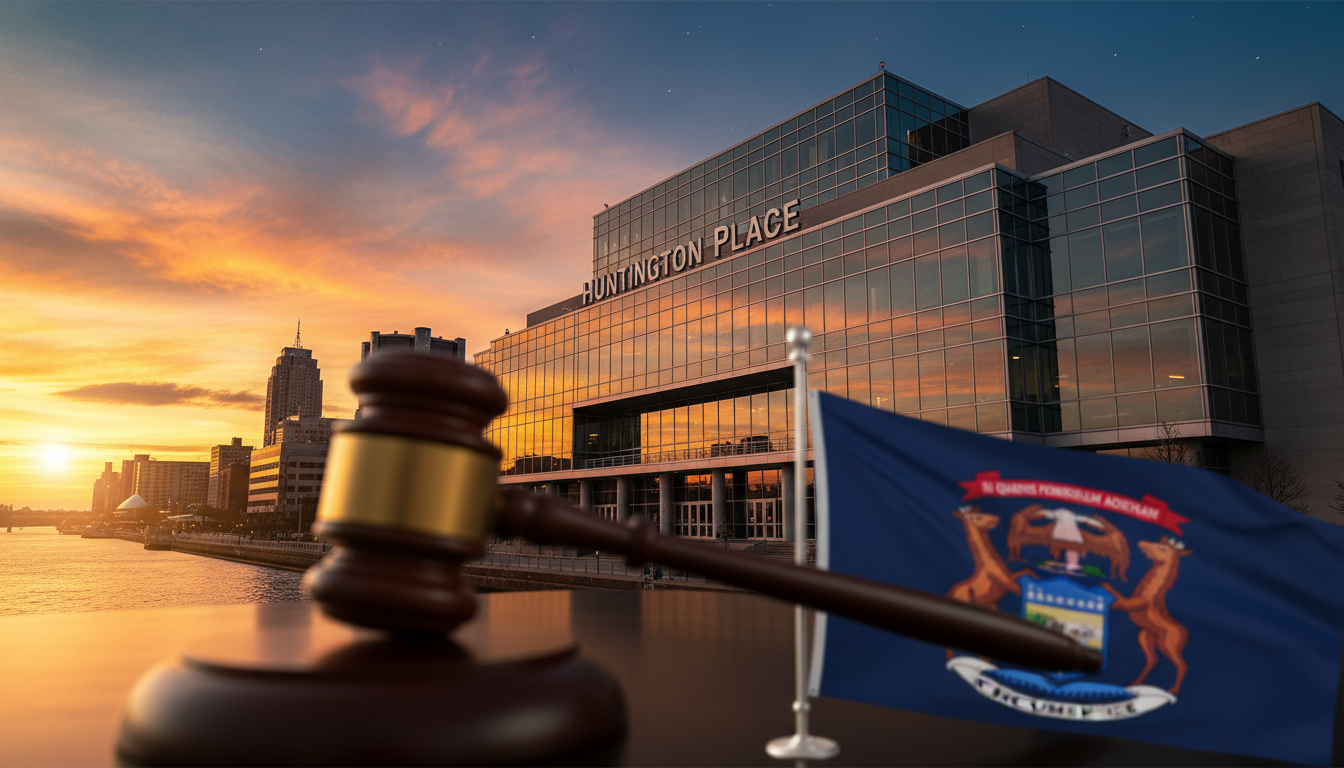
The controversy stems from the chaotic scenes at the TCF Center (now Huntington Place) in November 2020, where poll challengers sought to disrupt the counting of absentee ballots. In the years following, various legal maneuvers and public statements from the Trump administration’s legal team suggested a targeted focus on Detroit’s tallies. According to reports from the Michigan Department of State, Detroit’s election results were verified through multiple audits, yet the narrative surrounding ballot irregularities has persisted in some political circles.
Attorney General Dana Nessel recently highlighted the legal precedent set by these challenges, noting that the attempts to subvert the will of the people were met with a robust defense from the state’s legal apparatus. Nessel argued that the demands for Detroit’s ballots were based on unsubstantiated claims of fraud that have been repeatedly debunked by state and federal courts. She noted that her office remains committed to prosecuting those who attempted to illegally interfere with the certification of the election.
Impact on Detroit Residents
The focus on Detroit has significant implications for local residents, many of whom felt their voices were being singled out for suppression. Community leaders in Detroit have expressed concern that the ongoing election controversy creates a chilling effect on voter turnout. By framing Detroit’s election process as inherently suspect, critics risk alienating a massive segment of the Michigan electorate.
For many Detroiters, the defense provided by Whitmer and Nessel is seen as a necessary safeguard. Local advocacy groups, such as those focusing on local government transparency, have pointed out that the city’s election infrastructure has undergone significant upgrades since 2020 to ensure even greater security and efficiency. Residents are being encouraged to view the upcoming cycles as an opportunity to reaffirm the city’s role as a cornerstone of Michigan democracy.
Background & Data: The 2020 Audit Results
Data from the Michigan Secretary of State’s office provides a clear picture of the 2020 election’s validity. A comprehensive audit of over 200 municipalities, including Detroit, found no evidence of systemic fraud or equipment manipulation. The Michigan Senate Oversight Committee, led by Republicans at the time, also released a 28-page report concluding that there was no evidence of widespread or systemic fraud in Michigan’s prosecution of the 2020 election.
Despite these findings, the Trump-era demand for physical access to Detroit’s ballots remained a point of contention. As reported by the Detroit Free Press, the legal battles involved high-stakes litigation that reached the Michigan Supreme Court. The court’s refusal to overturn the election results served as a definitive legal end to the challenges, yet the political rhetoric has continued to simmer. This history of litigation has prompted the state to invest more heavily in detroit election security upgrades to prevent similar disruptions in future cycles.
The Role of Governor Gretchen Whitmer
Governor Whitmer has often linked the protection of Detroit’s ballots to the broader health of the state’s economy and social fabric. During a recent press briefing, the Governor stated that a stable democracy is a prerequisite for a thriving city. She argued that when the validity of a city’s vote is questioned without evidence, it damages the reputation of the entire state and discourages investment. Whitmer’s administration has consistently supported legislation aimed at expanding voter access and protecting election workers from harassment.
What Happens Next
Looking forward, the focus shifts to the 2024 election cycle and the implementation of Proposal 2, which Michigan voters approved in 2022. This constitutional amendment provides for nine days of early in-person voting, state-funded postage for absentee applications and ballots, and a permanent mail-in voter list. These changes are designed to streamline the process and reduce the administrative burden on Detroit’s election officials, potentially mitigating the circumstances that led to the 2020 election controversy.
The Attorney General’s office has also indicated that it will continue to monitor for any illegal attempts to interfere with local clerks. Nessel’s office is currently involved in several active cases related to the 2020 election, serving as a deterrent for future interference. As Detroit prepares for its next major electoral test, the collaboration between the Governor’s office, the Attorney General, and local Detroit officials will be critical in maintaining public trust. The message from the state’s top leadership is clear: the era of challenging Detroit’s ballots without evidence is over, but the vigilance required to protect the vote remains a permanent priority.