Detroit’s entrepreneurial landscape is entering a transformative phase as city officials and economic development agencies prepare for a significant surge in activity by 2026. Following a decade of foundational recovery, the focus is shifting from survival to sustainable expansion, particularly within neighborhood commercial corridors. This evolution of the small business Detroit ecosystem is being driven by a combination of targeted grants, federal infrastructure investment, and a growing network of localized support systems.
The Shift Toward Neighborhood-Centric Entrepreneurship
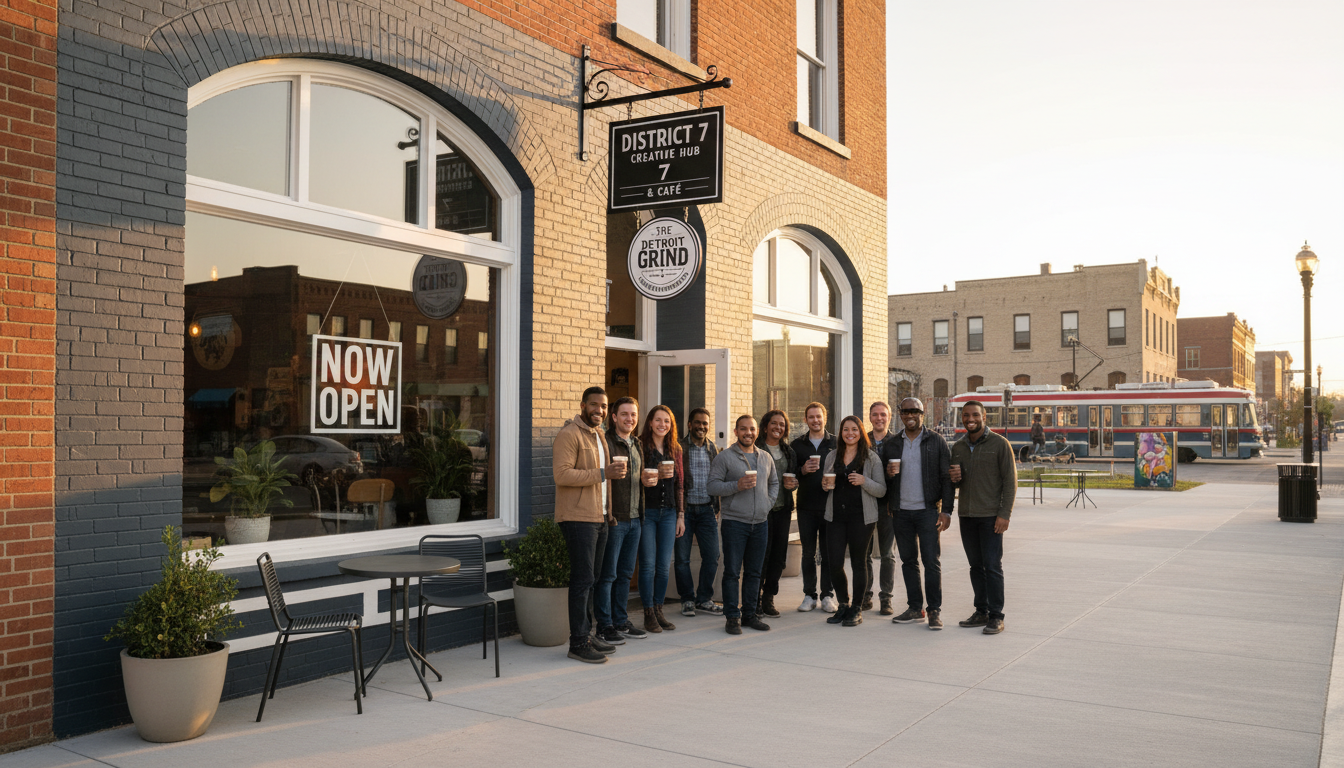
According to the Detroit Economic Growth Corporation (DEGC), the city’s primary agency for business retention and attraction, the next 24 months will be critical for scaling small enterprises. The DEGC’s flagship program, Motor City Match, has already awarded over $15 million in grants, but the strategy for 2026 moves beyond one-time funding. New initiatives are focusing on “commercial nodes”—specific intersections in neighborhoods like North End, East English Village, and Southwest Detroit—designed to create walkable hubs of economic activity.
Data from the U.S. Census Bureau’s Business Formation Statistics reveals that Michigan has seen a consistent rise in high-propensity business applications since 2021. In Detroit, this trend is manifesting in the professional services and specialized retail sectors. Local analysts suggest that by 2026, the completion of major neighborhood revitalization projects will provide the physical infrastructure necessary for hundreds of new storefronts to achieve long-term viability.
Capital Access and Technical Support for Startups Detroit
One of the primary hurdles for startups Detroit has historically been the “capital gap”—the difficulty for minority-owned businesses to secure traditional bank loans. To address this, a coalition of Community Development Financial Institutions (CDFIs) and private philanthropic organizations are pooling resources to create low-interest loan products specifically for 2026 business launches. The goal is to move away from high-risk venture capital models toward “patient capital” that allows businesses time to integrate into their communities.
“Access to capital remains the number one request from our local founders,” a representative from the Michigan Economic Development Corporation (MEDC) noted in a recent report. The state’s focus on the “Small Business Support Hubs” program is intended to provide the technical assistance—such as accounting, legal aid, and digital marketing—that entrepreneurs need to move from a home-based operation to a brick-and-mortar location. For more information on city-led initiatives, residents can visit the official Detroit Economic Growth Corporation website.
Impact on Detroit Residents
The growth of the small business sector has a direct, measurable impact on Detroit residents. Beyond the convenience of local services, these businesses are the largest employers of Detroiters within city limits. A robust small business environment reduces the need for long commutes and keeps wealth circulating within the local economy. For many residents, 2026 represents a window of opportunity to transition from the traditional workforce into business ownership, particularly in the green economy and urban agriculture sectors.
Furthermore, the expansion of entrepreneurship Detroit initiatives is expected to fill long-standing service gaps in “food deserts” and “service deserts.” By 2026, the city anticipates a 15% increase in locally-owned grocery and hardware options in outlying districts, significantly improving the quality of life for long-term residents who have stayed through the city’s leaner years.
Economic Data and Market Trends
The University of Michigan’s economic outlook for Detroit suggests that while inflation remains a concern, the city’s diversifyng economy provides a buffer. The manufacturing sector’s pivot toward electric vehicles (EVs) is creating a secondary market for small-scale suppliers and service providers. This supply chain diversification is a major pillar of the business opportunities Detroit expects to see fully mature by 2026.
Additionally, the city’s status as a UNESCO City of Design continues to attract creative startups. Projections indicate that tech-enabled service firms—ranging from fintech to healthcare logistics—will account for nearly 20% of new business registrations in the city by the start of 2026. This shift is also influencing Detroit commercial real estate trends, with an increased demand for smaller, flexible co-working and maker spaces over traditional large-floorplate offices.
What Happens Next: Preparing for 2026
Looking ahead, the city is focused on streamlining the permitting and licensing process. Bureaucratic hurdles have often been cited as a deterrent for first-time entrepreneurs. The City of Detroit’s Buildings, Safety Engineering, and Environmental Department (BSEED) has begun implementing digital-first tracking systems to reduce approval times, a move expected to be fully optimized by 2026.
As Detroit prepares for several high-profile events and continued population stabilization, the health of the small business sector will serve as the true barometer of the city’s economic resilience. For those considering a launch, the current advice from the Small Business Administration (SBA) is to focus on business plans that prioritize community engagement and digital agility. The path to 2026 is paved with both challenges and significant potential for those ready to participate in Detroit’s next economic chapter.