Detroit is rapidly pivoting toward a more sustainable future as the city gears up for a series of major milestones in its green energy transition by 2026. From large-scale solar arrays replacing vacant lots to the modernization of a decades-old power grid, the city is attempting to balance industrial heritage with a new commitment to renewable resources. As local officials and utility providers align their strategies, the next two years represent a critical window for Detroit’s environmental and economic evolution.
The Solar Neighborhoods Initiative
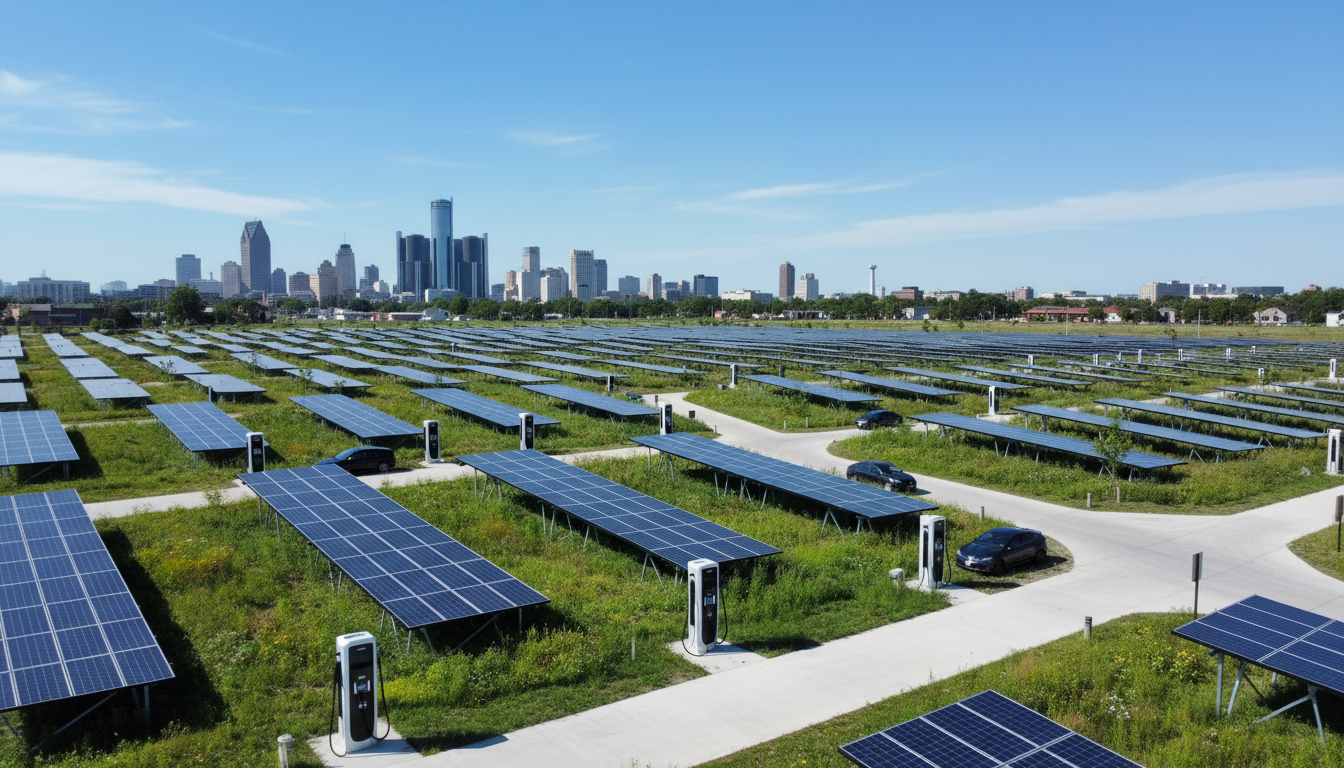
One of the most visible components of the city’s strategy is the “Solar Neighborhoods” program. Announced by Mayor Mike Duggan’s administration, this initiative seeks to convert roughly 250 acres of blighted or vacant land into commercial-scale solar arrays. According to the City of Detroit Office of Sustainability, these projects are designed not only to generate clean power but also to address the long-standing issue of land maintenance in underpopulated areas. By 2026, several of these sites are expected to be fully operational, contributing significantly to the city’s goal of powering municipal buildings with 100% renewable energy.
The selection process for these solar fields involved community voting and neighborhood engagement, ensuring that the transition to green energy Detroit residents are seeing is community-led. The city has committed to providing financial benefits to residents living near these solar installations, including grants for home energy efficiency upgrades such as new windows, insulation, and furnace replacements. This approach aims to mitigate the historical trend of industrial projects negatively impacting residential zones.
Impact on Detroit Residents
For the average Detroiter, the shift toward sustainability is expected to manifest in two primary ways: improved air quality and more stable utility costs. The reduction of reliance on fossil fuel-burning plants within city limits is a core objective of the Detroit Climate Action Plan. Local health advocates have long pointed to the disproportionate rates of asthma and respiratory issues in Detroit neighborhoods, linking them to industrial emissions. The transition to renewable energy sources is viewed as a public health necessity.
Furthermore, the economic impact of these eco projects Detroit is currently implementing includes workforce development. The city has partnered with local labor unions and community colleges to create training programs specifically for solar panel installation and EV infrastructure maintenance. By 2026, these programs are projected to have placed hundreds of Detroiters into high-paying, “green-collar” jobs. Residents interested in these opportunities can follow Detroit development updates to stay informed on hiring cycles and training certifications.
Grid Modernization and DTE’s CleanVision
The transition is not limited to municipal projects. DTE Energy, the city’s primary utility provider, is currently executing its “CleanVision” Integrated Resource Plan (IRP). This plan, which received approval from the Michigan Public Service Commission, outlines an aggressive exit from coal-fired power plants. Data from DTE Energy indicates that the company plans to invest billions into the grid over the next decade, with a significant portion of that spending earmarked for 2025 and 2026.
Key to this modernization is the development of battery storage technology. Renewable energy, while clean, is intermittent; battery storage allows the city to capture energy during peak solar production and release it during periods of high demand. This infrastructure is vital for preventing the frequent power outages that have historically plagued Detroit neighborhoods during extreme weather events. The integration of renewable energy Detroit systems into a modernized grid is a top priority for the Detroit Infrastructure Council as they oversee broader infrastructure spending across the metropolitan area.
Background & Data
The push for sustainability is backed by significant federal and local data. According to the U.S. Department of Energy, Michigan has seen a 5% year-over-year increase in renewable energy jobs, with Detroit serving as the primary hub for this growth. Additionally, the Inflation Reduction Act (IRA) has provided millions of dollars in federal tax credits and grants that the City of Detroit Office of Sustainability is utilizing to offset the costs of solar transitions.
A 2023 report from the University of Michigan’s Graham Sustainability Institute noted that Detroit’s high concentration of vacant land provides a unique geographical advantage for urban solar projects that other major U.S. cities lack. The report suggests that if Detroit meets its 2026 targets, it could serve as a national model for how post-industrial cities can reinvent themselves through green technology. Current data shows that the city is on track to reduce its municipal carbon footprint by 35% by the end of 2026 compared to 2019 levels.
Transportation and EV Infrastructure
Beyond the power grid, Detroit is also focusing on the electrification of its transportation sector. As the “Motor City,” Detroit’s identity is tied to the automotive industry, which is currently undergoing its own electric revolution. By 2026, the city aims to have installed over 200 public EV charging stations across various neighborhoods, focusing on equitable access in lower-income areas where private charging may not be feasible.
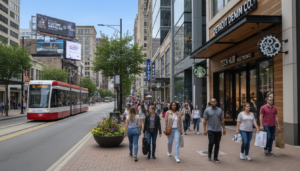
The Detroit Department of Transportation (DDOT) is also in the process of replacing aging diesel buses with electric alternatives. This move is expected to decrease noise pollution and tailpipe emissions along major corridors like Woodward and Gratiot Avenues. These sustainability Detroit initiatives are part of a broader effort to modernize the city’s public transit system, making it more efficient and environmentally friendly for the thousands of residents who rely on it daily.
What Happens Next
As 2025 approaches, the city will begin the official groundbreaking for the first three Solar Neighborhood sites. Public hearings will continue to be held to determine the placement of the remaining arrays. Environmental groups, such as the Michigan Environmental Justice Coalition, are expected to monitor these developments closely to ensure that the benefits of the green transition are shared equally among all residents, particularly those in historically marginalized communities.
Looking toward 2026, the success of these projects will likely depend on continued federal funding and the ability of the city to maintain its timeline for grid upgrades. While challenges remain—including the rising cost of construction materials and the complexity of land acquisition—the momentum behind Detroit’s green energy movement is stronger than ever. For a city defined by its ability to build and innovate, the shift toward a sustainable future is the next great chapter in its history.