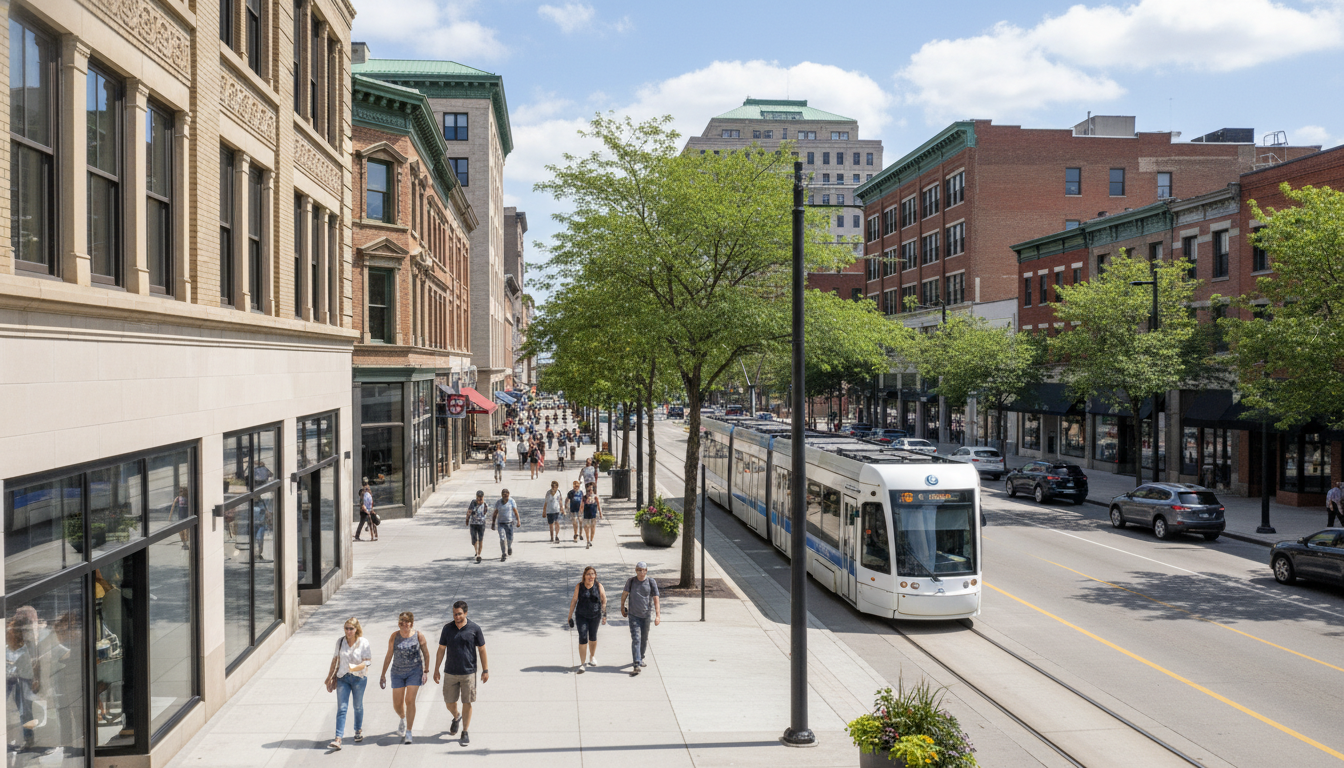
The landscape of shopping Detroit has undergone a seismic shift over the last five years, moving from a period of recovery to a full-scale retail renaissance. As 2026 begins, the city’s commercial districts are no longer defined solely by luxury flagship stores in the downtown core, but by a diverse ecosystem of neighborhood boutiques, modern mixed-use developments, and revitalized shopping centers. This transformation reflects broader economic trends reported by the Detroit Economic Growth Corporation (DEGC), which has prioritized small business stabilization and large-scale retail attraction as part of its long-term strategic plan.
The Rebirth of Woodward Avenue and the Downtown Core
For those looking for high-end retail Detroit, Woodward Avenue remains the city’s primary artery. Development firm Bedrock Detroit has continued its aggressive acquisition and leasing strategy, filling historical spaces with a mix of national brands and local startups. According to Bedrock’s 2025 year-end report, retail occupancy in the central business district reached its highest level since the mid-20th century. The arrival of global apparel brands alongside homegrown retailers like Shinola and Détroit is the New Black has created a unique shopping destination that draws tourists and regional residents alike.
Beyond the luxury sector, the 2026 retail landscape focuses heavily on accessibility and variety. The Hudson’s site development, a landmark project for the city, now serves as a multi-use hub where shopping, dining, and public spaces converge. Journalists covering the Detroit economy have noted that this development has acted as a catalyst for surrounding blocks, encouraging independent local shops Detroit to lease smaller footprints in the side streets of Capitol Park and the Financial District.
Neighborhood Revitalization: Beyond the Core
While downtown captures many of the headlines, the real story of shopping Detroit in 2026 is found in the neighborhoods. Areas like the Avenue of Fashion on Livernois and the burgeoning commercial strip in Jefferson-Chalmers have seen a 30% increase in active retail licenses over the past 24 months. These districts are supported by initiatives such as Motor City Match, which provides grants and technical assistance to entrepreneurs. For more information on how these investments are changing local communities, see our recent report on Detroit neighborhood development updates.
Local business owners in the West Village and Corktown report that the shift toward pedestrian-friendly infrastructure has significantly boosted foot traffic. The expansion of the Joe Louis Greenway has connected residential pockets directly to commercial hubs, allowing residents to access local markets and grocery stores without relying on personal vehicles. This shift toward “15-minute city” planning is a cornerstone of the city’s current urban development strategy, as outlined in recent City of Detroit Planning Department publications.
The Role of Malls and Modern Mixed-Use Centers
When considering malls Detroit, the conversation has moved away from the traditional enclosed shopping centers of the late 20th century. Instead, the focus has shifted to outdoor lifestyle centers and the modernization of existing regional hubs. Fairlane Town Center and Somerset Collection continue to serve as major retail anchors for the metro area, but they have adapted by incorporating more service-based businesses, entertainment venues, and rotating pop-up spaces for local vendors.
Economic analysts suggest that the survival of traditional malls Detroit depends on their ability to offer experiences that cannot be replicated online. This trend is visible in the redevelopment of the former Northland Center site, which has been reimagined as a vibrant residential and retail village. By integrating housing with shopping, developers are creating a built-in customer base that ensures the long-term viability of these retail assets.
Impact on Detroit Residents
The expansion of retail Detroit has a direct impact on the local workforce and cost of living. Data from the Michigan Department of Technology, Management & Budget indicates that the retail sector is one of the fastest-growing employers in the city, providing thousands of jobs for residents. However, this growth also brings challenges, particularly regarding commercial gentrification. As property values rise in corridors like Corktown and Midtown, long-standing local shops Detroit often face increased rents.
To mitigate these pressures, the city has implemented programs to help small business owners purchase their buildings, ensuring they can remain part of the community they helped build. For residents, the increase in shopping options means better access to fresh food, essential services, and household goods within the city limits, reducing the need for long commutes to the suburbs. This improved retail density is a key factor in the city’s overall housing market trends, as homebuyers increasingly look for neighborhoods with established commercial amenities.
Background & Data: The Economic Indicators
The success of the 2026 shopping landscape is backed by solid economic indicators. According to the U.S. Census Bureau’s retail trade reports, Detroit has seen a steady increase in taxable retail sales since 2022. This growth is attributed to a combination of rising median household incomes and a decrease in “retail leakage,” where residents spend their money outside the city due to a lack of local options.
The 2026 Consumer Profile
Today’s Detroit shopper is increasingly focused on sustainability and local sourcing. Surveys conducted by the Detroit Regional Chamber show that 65% of city residents prefer to shop at locally owned businesses when possible. This consumer sentiment has led to the rise of weekend markets and artisan collectives, such as Eastern Market’s expanded retail offerings, which now include year-round indoor spaces for local makers.
What Happens Next: The Future of Detroit Retail
Looking forward to the remainder of 2026 and into 2027, the focus will likely remain on filling the “retail gaps” in underserved neighborhoods. The City of Detroit has identified several target zones for future commercial development, particularly on the city’s East and West sides. By leveraging federal tax credits and local incentives, the goal is to ensure that every Detroiter has access to a diverse and thriving shopping environment.
As the city continues to evolve, the balance between large-scale malls Detroit and independent boutiques will define the unique character of the city’s commerce. With continued investment from both the public and private sectors, the 2026 shopping guide serves as a testament to Detroit’s resilience and its growing status as a premier retail destination in the Midwest.