State Senator Mallory McMorrow (D-Royal Oak) has issued a sharp condemnation following an antisemitic incident that occurred during a major political gathering at a Detroit convention center this week. The incident, which involved a group of protesters using derogatory tropes and targeted harassment, has sparked a wider conversation about the rising tide of hate speech within the political discourse of Southeast Michigan.
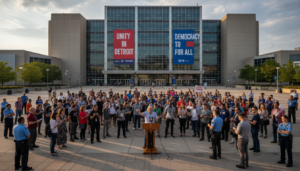
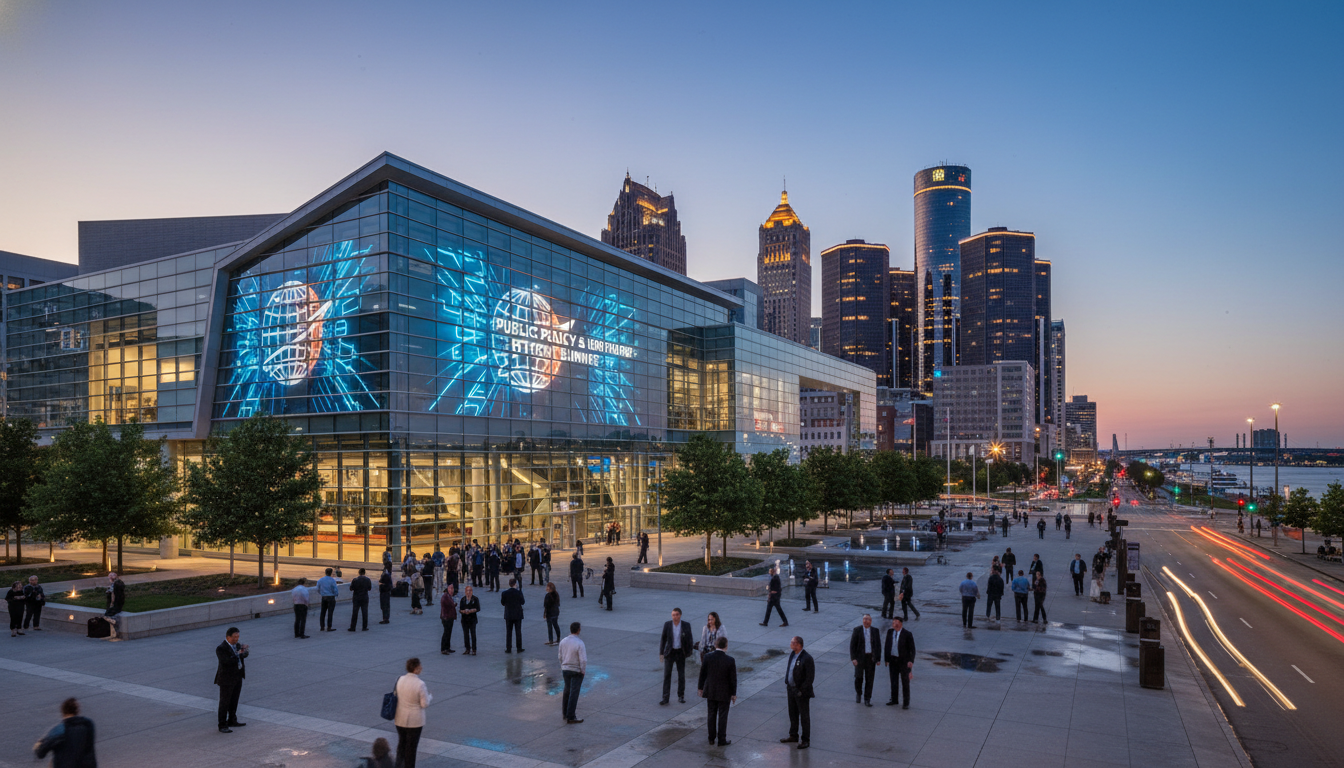
The confrontation took place outside a convention hall where hundreds of delegates and local officials had gathered to discuss the future of the city’s economic development. According to eyewitness reports and social media documentation, the protest escalated when several individuals began shouting antisemitic slurs and displaying signage that invoked long-standing harmful stereotypes against the Jewish community. The incident was quickly reported to local authorities, though no immediate arrests were made on-site.
The Senator’s Response and Call to Action
Senator Mallory McMorrow, who gained national attention in 2022 for her forceful defense against hate-based political attacks, did not mince words regarding the events in Detroit. In a statement released shortly after the convention adjourned, McMorrow emphasized that while political dissent is a cornerstone of democracy, the transition into hate speech and antisemitism is unacceptable.
“What we saw at the Detroit convention was not a policy debate or a difference of opinion; it was a targeted attempt to intimidate and dehumanize members of our community,” McMorrow stated. “Detroit is a city built on the strength of its diversity. When any group is targeted with antisemitic vitriol, it threatens the safety and dignity of all residents. We must be clear that there is no room for this in our city or our politics.”
According to reporting from the Detroit Free Press, the incident has drawn condemnation from across the political spectrum, with local leaders calling for increased security measures at future public forums held at the city’s major venues, including Huntington Place and the Suburban Collection Showplace.
Impact on Detroit Residents
For the residents of Detroit and the surrounding metro area, the antisemitic incident Detroit witnessed this week is a troubling reminder of the increasing volatility in public spaces. The Jewish community in Southeast Michigan, which has deep historical roots in neighborhoods across the city and suburbs, has expressed growing concern over the frequency of such occurrences.
Local advocacy groups, including the Jewish Community Relations Council (JCRC/AJC), have noted that these incidents often have a chilling effect on civic participation. “When people see hate speech being normalized at a Detroit convention, it makes them second-guess their safety in public life,” a spokesperson for the council noted. The impact extends beyond the Jewish community, affecting the general atmosphere of inclusivity that Detroit has worked for decades to cultivate.
Small business owners near the downtown convention corridor also expressed concerns that recurring protests involving hate speech could tarnish the city’s reputation as a premiere destination for national events. This is particularly sensitive as Detroit continues to see significant economic growth and aims to attract more international conferences to its revitalized downtown.
Background & Data on Hate Speech Trends
Data from the Anti-Defamation League (ADL) indicates that Michigan has seen a notable rise in reported antisemitic incidents over the last three years. According to the ADL’s Audit of Antisemitic Incidents, Michigan recorded an increase that mirrors a national trend, with incidents ranging from harassment and vandalism to physical assault. In the Detroit metro area, these events often overlap with high-profile political gatherings, suggesting that extremists are increasingly using public forums to broadcast their messages.
The City of Detroit has responded by bolstering its Civil Rights, Inclusion, and Opportunity (CRIO) department. Data from the city’s 2023 annual report shows a 15% increase in the number of community outreach programs designed to combat religious and racial discrimination. However, the recent antisemitic incident Detroit faced suggests that education alone may not be sufficient to deter determined agitators.
State Senator Mallory McMorrow has been a vocal proponent of strengthening hate crime legislation at the state level. Her advocacy includes supporting bills that would expand the definition of ethnic intimidation and provide law enforcement with better tools to track and prosecute bias-motivated crimes. This latest incident is expected to accelerate discussions in Lansing regarding these legislative efforts.
What Happens Next
In the wake of the convention, the Detroit Police Department and convention security are reviewing surveillance footage to identify individuals who may have crossed the line from protected speech into criminal harassment. Meanwhile, community leaders are planning a series of interfaith dialogues to address the tensions that have surfaced.
As Detroit prepares for several upcoming large-scale events, including major sports festivities and national political summits, the focus on security and community relations is at an all-time high. Many are looking toward the new neighborhood development projects as a way to foster more localized community bonds that can resist the influence of outside agitators.
For Mallory McMorrow, the path forward involves a consistent and unwavering rejection of hate. She is expected to meet with local Jewish leaders and Detroit community organizers next week to discuss long-term strategies for protecting public spaces from hate-motivated disruptions. The goal is to ensure that future conventions in the city remain focused on the progress of Detroit and its people, rather than the divisiveness of a vocal few.