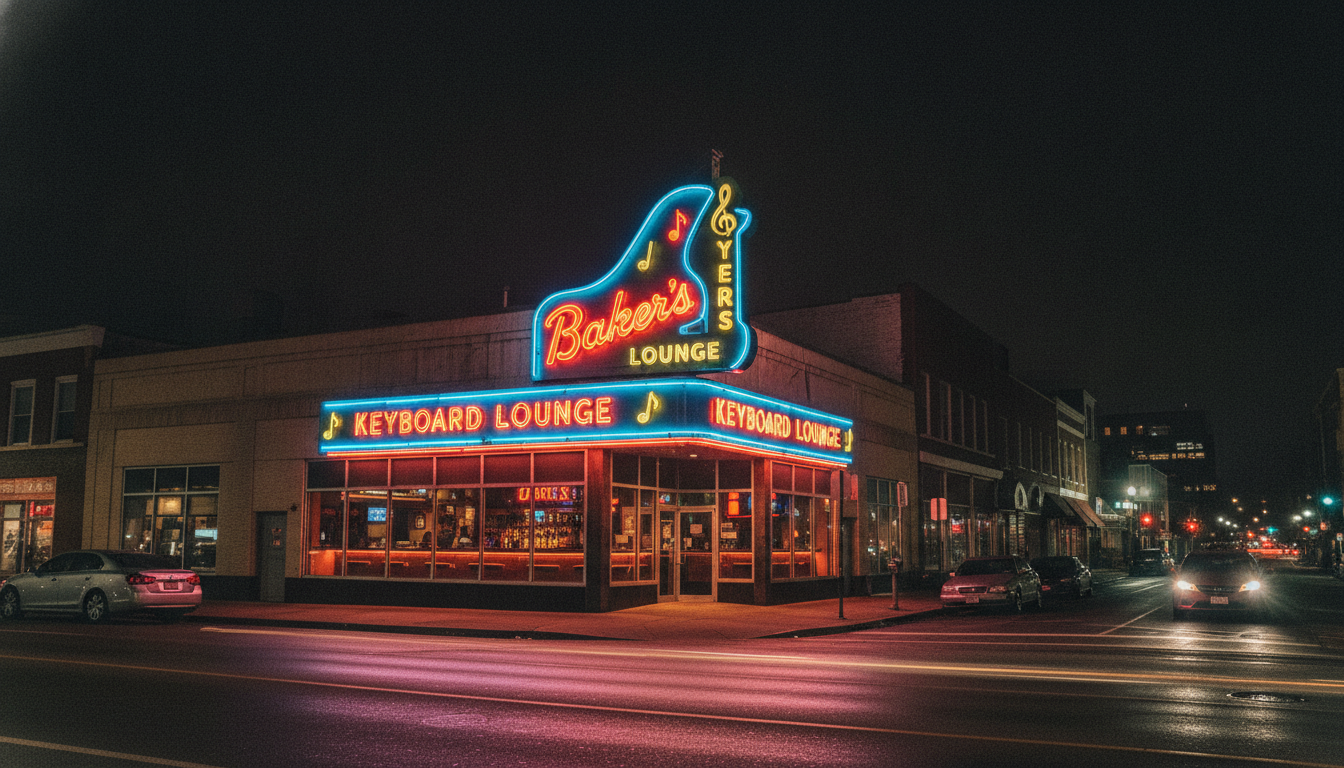
Detroit’s historic Livernois Avenue is preparing to welcome back a cornerstone of the city’s musical heritage. Baker’s Keyboard Lounge, widely recognized as the world’s oldest continuously operating jazz club, is entering a new chapter under fresh management following a brief period of transition and renovation. The venue, which has stood as a beacon of Detroit jazz since 1934, is being revitalized to meet the demands of modern nightlife while preserving the Art Deco charm that has drawn legends like Ella Fitzgerald and Miles Davis to its stage.
New Management and Operational Vision
The transition marks a significant moment for the Detroit jazz scene. According to reporting by the Detroit Free Press, the change in management aims to stabilize operations and ensure the club remains a viable commercial enterprise in the competitive entertainment landscape. The new leadership group, comprised of local entrepreneurs with experience in the Detroit hospitality sector, has expressed a commitment to maintaining the traditional atmosphere that regulars have cherished for decades.
While the ownership shift involves administrative changes, the core identity of Baker’s Keyboard Lounge is expected to remain intact. The management team has focused on updating the kitchen facilities and enhancing the sound system—a move designed to attract both veteran performers and emerging talent. This balance of historic preservation and technical modernization is a common strategy in the revitalization of historic Detroit venues.
Impact on Detroit Residents and the Local Economy
The reopening of Baker’s Keyboard Lounge is more than just a business transaction; it represents a cultural win for the Livernois community. For residents of the University District and Sherwood Forest, the club is a neighborhood anchor. Local business owners on the “Avenue of Fashion” have noted that the reopening is expected to increase foot traffic during evening hours, benefiting nearby restaurants and retail outlets.
According to the City of Detroit’s Planning and Development Department, the Livernois corridor has seen over $17 million in streetscape improvements in recent years. The continued operation of an anchor institution like Baker’s Keyboard Lounge is seen as critical to the long-term success of these infrastructure investments. “Baker’s is part of the soul of this neighborhood,” said one local resident. “When the neon sign is lit, it feels like the street is alive.” For Detroiters, the club offers a rare space where intergenerational audiences can gather to experience a genre of music that is deeply rooted in the city’s identity.
A Legacy of Detroit Jazz and Architecture
Founded by Clarence Baker in 1934 as a sandwich shop before evolving into a jazz sanctuary in 1939, the lounge is famous for its piano-shaped bar and Steinway grand piano. Data from the Detroit Historical Society highlights the venue’s role as a proving ground for the most significant names in American music. The intimate setting, which seats approximately 99 people, creates a unique acoustic environment that is difficult to replicate in modern, larger arenas.
The interior of Baker’s is a protected historic resource. The wood-paneled walls and the iconic curved bar are essential elements of the club’s designation. The new management has reportedly worked closely with preservationists to ensure that any updates, such as new seating or lighting, do not detract from the 1930s aesthetic. This dedication to history is a primary reason why the venue continues to be a destination for international tourists looking for an authentic Detroit nightlife experience.
Revitalizing the Entertainment Calendar
The upcoming schedule is expected to feature a mix of traditional jazz, bebop, and soul. Management has indicated that they intend to bring back popular weekly residency programs, which historically provided steady work for Detroit-based musicians. In a city where neighborhood development is often centered on new builds, the survival of a legacy business like Baker’s provides a template for how historic sites can adapt to the 21st century.
Background and Historical Context
The history of Baker’s is intrinsically tied to the migration of jazz from the South to the industrial North. As Detroit’s population swelled in the mid-20th century, the Livernois area became a cultural hub. Records from the City of Detroit Historic District Commission emphasize that the building’s facade and interior layout are significant examples of early 20th-century commercial architecture. The commission’s guidelines ensure that the physical heritage of the site is protected regardless of who holds the liquor license.
The venue has survived several economic downturns, including the decline of the automotive industry and the more recent challenges posed by the global pandemic. Its ability to persist under different ownership groups over the last 90 years is a testament to the brand’s strength. As noted in Detroit small business growth reports, legacy businesses often require specialized management transitions to ensure that cultural capital is not lost during the handover.
What Happens Next
An official reopening date is expected to be announced in the coming weeks via the club’s social media channels and official website. The first phase of the reopening will likely focus on evening performances from Thursday through Sunday, with plans to expand back to a full weekly schedule as the kitchen and staff reach full capacity. For those interested in the formal history of the site, resources are available through the City of Detroit Historic Designation Advisory Board.
The return of Baker’s Keyboard Lounge marks a full-circle moment for the Avenue of Fashion. As the city continues to navigate its economic recovery, the preservation of institutions that define the local culture remains a top priority for both the community and the municipal government. Residents can look forward to the return of the familiar glow of the Baker’s sign, signaling that jazz is once again home on Livernois.