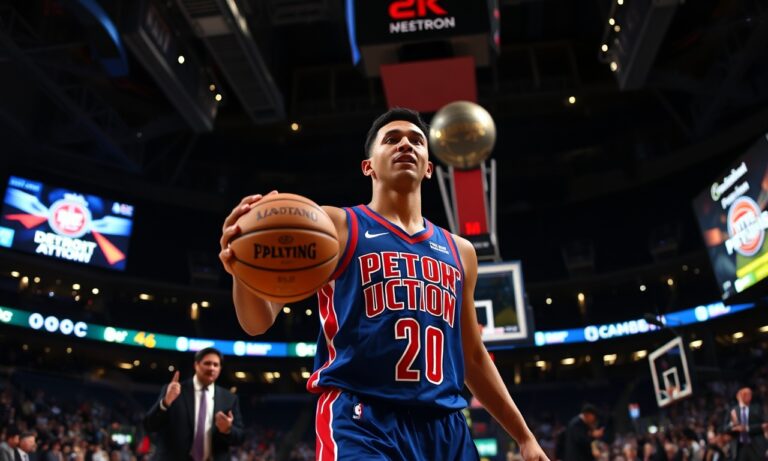
Norman Powell’s next step in NBA free agency is drawing renewed attention in Detroit, after fresh reports connected the swingman to teams beyond the Detroit Pistons. As roster-building accelerates around the league, the possibility of Powell landing in the Motor City has become one of the more watched storylines for fans tracking whether Detroit can upgrade its perimeter scoring and spacing.
Powell, a veteran scorer known for off-the-bounce shot creation, is reportedly drawing interest from multiple clubs including the Los Angeles Clippers and the Miami Heat, according to coverage from major national outlets that follow NBA trade rumors and contract negotiations. While no deal is finalized, the widening field of suitors is the kind of development that can reshape timelines for Detroit’s front office as it weighs fit, price, and roster flexibility.
What the reported suitors could mean for the Detroit Pistons
From Detroit’s perspective, Powell would represent a targeted form of upgrade: a proven perimeter option who can both attack closeouts and maintain offensive pace late in the shot clock. Detroit’s offseason priorities typically revolve around improving shooting consistency, creating more reliable scoring threats, and supporting the development of younger players through clearer roles.
Team interest, however, often comes down to details—salary structure, whether a contract is for a single year or multi-year runway, and how it interacts with other roster decisions. When a player like Powell is described as having multiple options, it can tighten the window for Detroit to make a competitive offer before other franchises reach agreement.
According to a roster and salary-cycle analysis published by Basketball-Reference, NBA teams’ payroll management is influenced by salary cap rules and how offseason additions fit with existing obligations. In Detroit’s case, those constraints matter because the NBA free agency landscape can move quickly once a team’s priority targets are identified and agents begin negotiating simultaneously across the league.
Why Norman Powell’s skill set is resonating now
Powell’s appeal is not simply scoring; it is scoring within a modern half-court system. Coaches often value players who can serve as secondary creators—especially those who can improve the spacing around primary ball-handlers without needing the ball constantly.
National analysts have also pointed to Powell’s versatility in guarding different perimeter matchups and the way his offensive game can complement players who drive early offense. For Detroit, that matters because the Detroit Pistons are building toward a style that emphasizes shot quality and decision-making efficiency, particularly when opponents load up to slow drives.
Meanwhile, interest from franchises such as the Los Angeles Clippers and the Miami Heat signals that Powell’s market is not limited to one competitive tier. The Miami Heat, for example, have often relied on veterans who can contribute on both ends while fitting into role-driven schemes. The Los Angeles Clippers have also used offseason flexibility to assemble lineups designed for playoff matchups, making Powell’s profile attractive if they are seeking another consistent perimeter threat.
Impact on Detroit residents: more than basketball
For Detroit-area residents, NBA offseason moves can feel distant—until they aren’t. The Pistons’ on-court decisions affect ticket demand, local sports media, and the rhythm of downtown entertainment. Game-night activity is part of a broader economic ecosystem, including hospitality, retail, and transportation services.
According to the U.S. Bureau of Labor Statistics, employment in leisure and hospitality categories can vary with local consumer demand and event frequency. While no single signing automatically changes those numbers, meaningful roster upgrades often correlate with sustained interest in the franchise, which can support the businesses that benefit from visitors and local fans attending games and related events.
Detroit’s NBA partnership also connects to major venues and neighborhood accessibility. The Pistons play at the Robert S. Freeman Arena, which anchors downtown event planning and helps drive consistent foot traffic during season months. When marquee signings are in play, the ripple effects can include higher engagement with arena-area restaurants and improved marketing activity from surrounding businesses.
Background & data: how Detroit’s offseason fits the broader NBA cycle
NBA free agency rarely happens in a vacuum. Agent conversations, salary projections, and trade considerations often run in parallel. That’s why even when a player’s name is linked first to the Detroit Pistons, additional reporting can quickly alter the perceived likelihood of a deal.
According to the NBA’s official offseason guidelines, free agency involves a structured set of timing windows and contract rules that affect how teams can negotiate and when deals become official. Data-driven coverage from NBA salary databases and team payroll reporting also shows that multiple suitors can influence a player’s leverage—particularly if they believe they have competing offers on the table.
In practice, Detroit’s front office must account for more than fit on paper. It must consider whether Powell’s contract would limit the team’s ability to add other rotation pieces, and whether it allows room for future extensions or in-season adjustments. For fans, that translates to a larger question: is Detroit prioritizing immediate scoring impact, or building a longer runway with more flexibility?
Local sports economists and analysts in Detroit have frequently noted that teams navigate a balancing act between short-term competitiveness and maintaining enough roster resources to respond to injuries and performance swings during the season. Those strategic pressures are amplified when high-visibility targets—like Powell—generate multi-team attention.
What happens next for Detroit and the NBA free agency market
As reporting continues, Detroit-area fans should expect the narrative to evolve in stages. First, more details will surface about the structure of offers being discussed. Then, if Powell moves toward final negotiations with another team, Detroit will either pivot to alternative targets or reassess what they can afford while keeping their roster aligned with the team’s longer-term plan.
For now, the most immediate takeaway is that Powell remains a credible storyline for the Detroit Pistons, even as his market appears to extend beyond the city. With interest also linked to the Los Angeles Clippers and the Miami Heat, Detroit’s ability to move quickly—or to meet expectations on value—could determine whether the conversation stays focused on the Pistons or shifts toward another destination.
Until a formal agreement is announced, the situation should be viewed as fluid. In the background, arena activity and local sports engagement typically rise as rumors intensify—especially when a potential perimeter addition is the kind of move fans can clearly imagine in the team’s starting lineup at the Robert S. Freeman Arena.
For Detroit residents, the next phase of NBA trade rumors and NBA free agency coverage will likely come down to one question: will Detroit secure Norman Powell’s services, or will the market determine a different outcome?