Detroit NBA fans are watching the latest franchise reshuffle in the Western Conference with an eye on the people behind the scenes. According to recent reporting, Toronto Raptors executive Masai Ujiri has been monitoring conversations around Kawhi Leonard’s next move, with the possibility of a Kawhi reunion tied to a blockbuster Mavericks-Clippers trade scenario.
While Detroit isn’t directly involved in the negotiations, the ripple effects of a star-driven trade can influence ticket demand, local media narratives, and how Detroit-based sports groups plan for marquee NBA moments—especially as the league’s offseason storylines increasingly shape regular-season scheduling and marketing.
Main Section
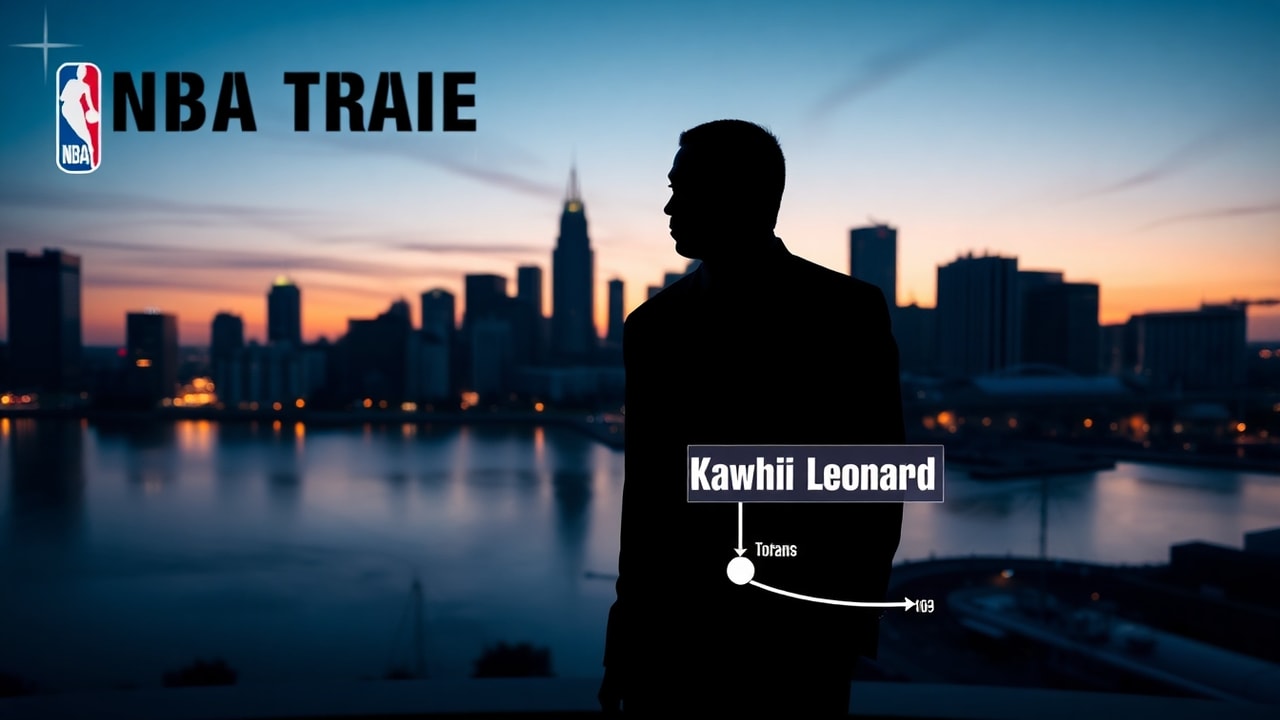
Masai Ujiri, the longtime Toronto Raptors executive known for building championship-caliber rosters, is reportedly exploring whether Kawhi Leonard—who once delivered the Raptors’ first NBA title—could be part of a broader deal involving the Dallas Mavericks and Los Angeles Clippers. The reporting centers on the idea that a Mavericks-Clippers trade could create roster openings and financial flexibility that make a Kawhi reunion more plausible than it would be in isolation.
Though NBA trades typically turn on salary matching, draft capital, and team needs, the reported thread here is interpersonal and strategic: Ujiri’s history with Leonard and his ability to weigh both on-court fit and locker-room dynamics. Kawhi Leonard’s tenure in Toronto remains one of the most influential player-team relationships in recent Raptors history, and his return—if it materializes—would be a significant storyline for NBA executives across the league.
For Detroit residents, this matters less as “local team news” and more as a barometer for how the league’s power centers are shifting. When a widely respected front office figure such as Masai Ujiri is linked to a move involving a star of Kawhi Leonard’s caliber, it tends to accelerate other negotiations as teams recalibrate their timelines and prioritize different roster paths.
Why a Mavericks-Clippers trade could open doors
Trade frameworks often start with practical constraints: teams must match salaries within the NBA’s rules and manage positional depth while considering the contract statuses of other players. If Dallas and Los Angeles move assets around—whether for immediate contention or to recalibrate their books—those changes can indirectly affect how other teams position their offers.
That is the context behind the latest chatter connecting a potential Kawhi reunion to the Mavericks-Clippers trade conversation. The reported scenario suggests that the domino effect of a major Western deal could make Leonard’s market more fluid than it appears at first glance.
For Detroit fans who follow NBA business coverage—media jobs, sports marketing, and the business side of entertainment—this is the type of offseason storyline that can influence what gets promoted in local broadcasts and digital platforms.
Impact on Detroit Residents
Detroit residents often experience NBA news indirectly, but the effects are real. In practice, star movements can shift how leagues and local partners market games, podcasts, and streaming packages. Detroit’s sports media landscape—spanning local outlets and regional social communities—tends to react quickly when high-profile names re-enter the discussion.
There’s also a consumer angle. According to data from the U.S. Census Bureau, household spending on entertainment categories generally rises and falls with consumer confidence and discretionary budgets. While a trade itself doesn’t change household income, it can affect short-term demand for streaming subscriptions, NBA-themed events, and related merchandise—especially when a “return” narrative such as a Kawhi reunion becomes part of mainstream coverage.
Detroit’s broader sports economy is also influenced by national attention. When the NBA highlights a former champion or a marquee executive like Masai Ujiri in a high-stakes storyline, Detroit-based sports fans typically see increased coverage across mainstream and sports-first platforms, which can boost local viewership and engagement for Detroit-area watch parties and community events.
And for local businesses that rely on sports crowds—sports bars, event venues, and hospitality groups—league headlines can shape staffing and promotions. A sudden spike in national coverage can increase demand for “big game” viewing nights, particularly if the NBA schedules games involving teams at the center of a trade narrative.
Background & Data
Masai Ujiri’s reputation isn’t limited to Toronto. In recent years, league observers have described his approach as emphasizing team identity, player development, and the ability to swing at high-impact roster upgrades when the opportunity is available. Ujiri’s prominence in NBA executive circles means that any connection he has to a Kawhi Leonard reunion story can carry weight.
Meanwhile, Kawhi Leonard remains a rare blend of elite scoring, two-way responsibility, and playoff performance. That combination has historically made him a team-altering presence. For Detroit readers, the practical takeaway is that the NBA’s star ecosystem—who players are connected to and which executives are rumored to be involved—often drives the rhythm of the entire league’s offseason.
On the market side, the NBA’s collective bargaining landscape continues to shape how and when teams can maneuver. For context on league governance and market rules, the NBA’s official website and related labor resources are regularly referenced by journalists covering transactions and team-building constraints. Trade rumors typically only become realistic when clubs can satisfy salary and roster limits.
In a separate but relevant sports-business context, the Detroit News has reported over the years on how professional sports fandom in the region intersects with local economic activity and entertainment consumption. While those reports don’t focus on the Mavericks or Clippers specifically, they help explain why star-driven NBA news still registers locally: the league is a national entertainment engine with local audiences.
What Happens Next
If a Mavericks Clippers trade proposal involving the necessary asset flow becomes feasible, the next phase will likely involve formal discussions, salary verification, and the alignment of roster needs on both sides. The reported link to Masai Ujiri suggests that Toronto’s front office would need to determine whether any move toward a Kawhi reunion is compatible with the Raptors’ longer-term strategy.
For Detroit fans trying to forecast what comes next, it helps to watch three signals: (1) whether Dallas and Los Angeles can agree on a deal structure that satisfies the NBA’s trade and salary rules; (2) whether Toronto’s roster and contract situation can accommodate a high-usage star; and (3) how quickly the league’s secondary moves follow—often, major deals trigger other trades and free-agent signings across the conference.
As always, rumors can shift rapidly in the NBA, and the final confirmation typically arrives only after teams announce deal terms. Still, for a Detroit audience, this is one of those stories that connects the global NBA business conversation to local fan culture—showing how executive decisions made hundreds of miles away ultimately influence what Detroit residents talk about, watch, and buy.
In the coming days and weeks, sports reporters covering the league’s front office carousel will likely sharpen details on the Mavericks Clippers trade framework and any role for Toronto Raptors exec Masai Ujiri. If a Kawhi reunion moves from speculation to negotiations, Detroit’s sports community will be watching closely—not only for the basketball impact, but for what it signals about the NBA’s next competitive wave.