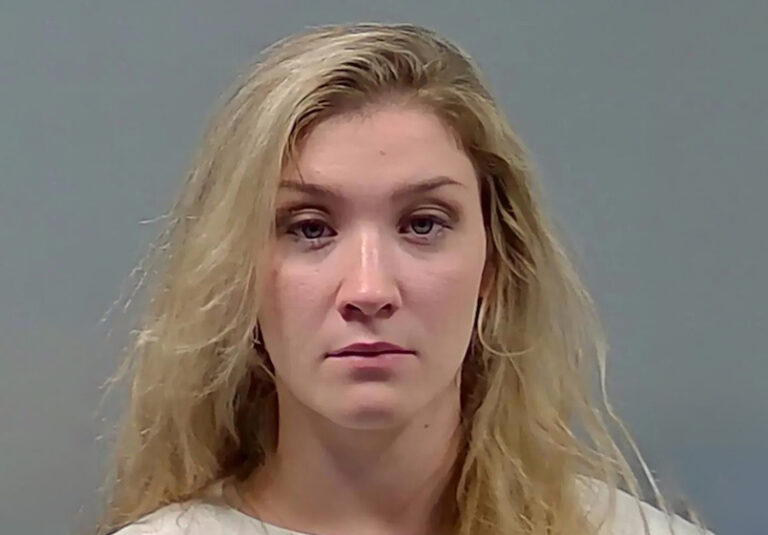
Detroit fans following the former Pistons forward learned Monday that Malik Beasley has been hit with a U.S. indictment tied to an alleged federal gambling scheme, according to court and law enforcement records reported by national outlets. The case, described as a federal gambling case involving sports betting activity, adds to a growing legal crackdown on illegal wagering networks and underscores how quickly off-court conduct can turn into courtroom exposure for high-profile athletes.
Beasley’s indictment—captured in filings referenced publicly by multiple reporters—centers on allegations connected to sports betting charges and communications tied to gambling activity. While the indictment does not determine guilt, it marks a significant escalation from typical league or team disciplinary issues into federal court.
Malik Beasley indictment details spotlight alleged gambling links
According to reporting on the U.S. indictment, prosecutors allege Beasley engaged in conduct connected to wagers that violated federal rules, including arrangements surrounding sports betting. The allegations are presented in the indictment as part of a broader enforcement effort targeting individuals accused of participating in unlawful sports wagering activities.
Federal prosecutors typically pursue such cases under statutes that criminalize certain gambling-related conduct, including the operation of illegal betting activities or involvement in those schemes. In this instance, the Malik Beasley indictment places an athlete with Detroit ties at the center of a legal matter that has implications far beyond a single team or season.
What the indictment means for Detroit’s sports community
For Detroit residents, the case arrives at a moment when local sports betting remains a prominent topic statewide and across the country. While Michigan’s regulated sports betting market operates under state oversight, federal cases can involve conduct that prosecutors argue falls outside lawful frameworks.
According to a statement from the U.S. Department of Justice on federal gambling enforcement priorities, prosecutors may pursue cases when they believe conduct violates federal law—regardless of whether some forms of wagering exist in state-regulated systems. That distinction is central to residents trying to understand how the federal gambling case differs from legal sports wagering.
For the Detroit sports community, including fans who followed Beasley during his time with the organization, the news is likely to prompt questions about personal conduct, legal accountability, and the broader risks that athletes face in an era where betting ads, apps, and online wagering are mainstream.
Background & data: how enforcement and betting intersect
Sports betting has become a major consumer activity in Michigan. Data from the Michigan Gaming Control Board has shown that regulated sportsbooks operate under state rules, including licensing, reporting requirements, and consumer protections. That system is distinct from allegations prosecutors make when they believe wagering-related conduct crosses into unlawful territory.
In recent years, federal authorities have also increasingly targeted alleged corruption, bribery, and other forms of misconduct tied to wagering activity. While the specific facts of the U.S. indictment in Beasley’s case are laid out in the charging documents, court proceedings will determine what prosecutors must prove and what defenses Beasley may present.
Legal experts say the key difference for the public is this: regulated sportsbooks may be legal under state law, but federal prosecutors can still bring cases if they believe the conduct involves violations of federal statutes. That is why a federal gambling case can feel confusing to residents who may view betting as “legal” in their daily lives.
Local impact: community conversations, reputational stakes
In Detroit, where sports narratives often intertwine with city identity, an athlete’s indictment can quickly become a civic conversation. Past examples in other cities show that court cases involving sports figures frequently affect how fans, sponsors, and local organizations view risk management and public responsibility.
Even without immediate operational consequences for teams, the Malik Beasley indictment can reverberate across the local sports ecosystem through increased scrutiny of athlete conduct, legal education for players, and reputational concerns for organizations that employ or partner with talent.
It can also influence how Detroit residents interpret sports betting promotions. Although Michigan maintains a regulated market, the federal case may raise broader questions about responsible behavior and the boundaries between legal betting and alleged illegal activity.
What happens next in federal court
After an indictment is issued, the case moves through a sequence of federal court steps. Typically, the process includes an initial appearance, potential motions to dismiss or suppress evidence, and eventual proceedings that may lead to a trial or negotiated resolution.
For Beasley, the immediate next phases will depend on how he enters a plea and on how federal prosecutors present their evidence. The court timeline can also be shaped by motions filed by the defense, including challenges to the indictment’s sufficiency or disputes over admissibility of certain communications or records.
According to the U.S. Attorney’s Office materials commonly associated with federal criminal cases, defendants are presumed innocent unless and until the government proves guilt beyond a reasonable doubt at trial. As the case develops, Detroit residents may see updates from court filings and subsequent hearings.
Why the case resonates beyond sports
The indictment involving a former Pistons forward highlights a wider national issue: the enforcement landscape around gambling and online wagering has expanded along with consumer adoption. When betting becomes more accessible, regulators and prosecutors often emphasize compliance and the consequences for those alleged to orchestrate or participate in unlawful schemes.
For the Detroit area, the case is also a reminder that the reputational stakes for public figures—especially those with local fan followings—can extend beyond the arena and into federal jurisdiction.
As the legal process unfolds, the public will learn more about the specific conduct prosecutors claim and whether the defense can counter those assertions. Until then, the indictment remains an allegation, not a finding of guilt.