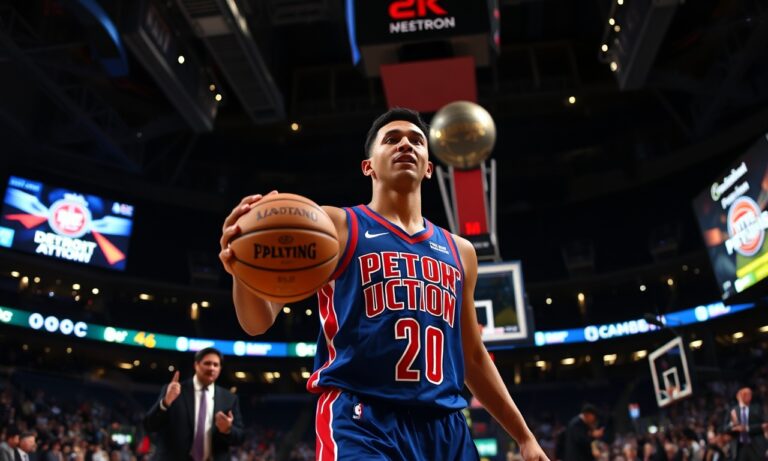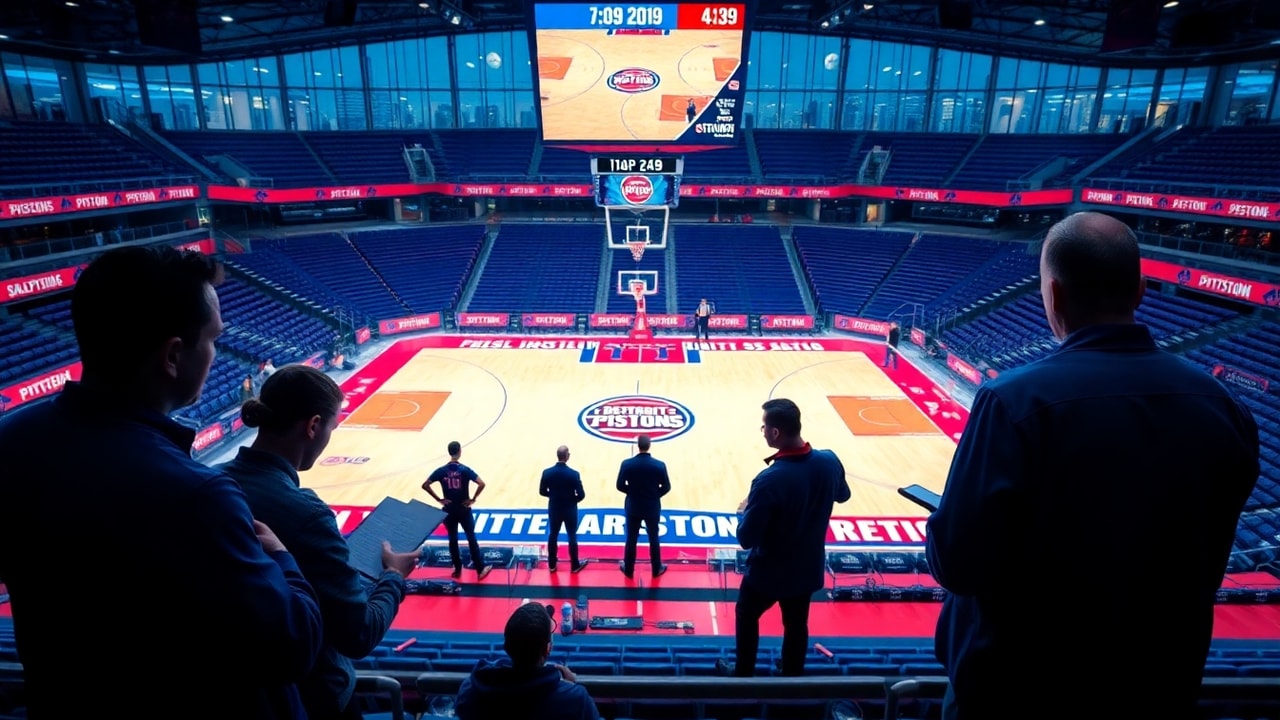
The Detroit Pistons have a limited window to finalize their plans for the next roster before NBA free agency begins—an offseason stretch that will require careful decisions around player development, contracts and salary cap planning. With the Pistons aiming to build a more complete rotation, the front office’s priorities are expected to include balancing short-term flexibility with long-term roster needs.
As league deadlines approach, Detroit’s attention turns to how the team structures deals, what it chooses to keep, and what it can realistically add. For fans following Detroit basketball news, that means more than headline-grabbing signings: it’s also about the often invisible groundwork—evaluation updates, contract timing, and cap-management trade-offs—that can shape the Pistons’ competitiveness into the next season.
Main tasks for the Pistons front office
Even before free agency opens, NBA teams typically work through a sequence of roster decisions, including whether to guarantee certain contracts, negotiate extensions, and plan for upcoming salary obligations. For the Pistons, those steps come as the organization tries to translate recent roster moves into consistent minutes for its young core.
“Free agency is not just a spending period—it’s the end of a planning cycle,” said Brian Windhorst, a longtime NBA reporter and analyst. “The teams that manage their flexibility early usually have more options once the market opens.”
For Detroit, the key is aligning offseason roster moves with where the team expects to be on the court. That includes ensuring enough rotation-ready players at each position, identifying gaps that can be addressed through the market, and avoiding salary commitments that could limit future trades or development at the margins.
Offseason roster needs: what Detroit is likely watching
While every offseason includes uncertainty, the Pistons’ offseason roster needs can be understood through a common NBA framework: roles, spacing, ball-handling, and defensive matchups. Detroit’s front office will likely consider how to improve the team’s ability to maintain pace over a full season, not just in flashes.
One practical constraint for rebuilding teams is opportunity cost. If a roster spot is used on a player who doesn’t fit the team’s timeline, it can slow the growth of younger players who are competing for minutes. Conversely, adding experienced depth can help develop chemistry and reduce the number of “learning-year” lineups that struggle to defend or create offense.
“The biggest differentiator for teams in a rebuild is whether the additions connect to what the organization is building,” said Tim Reynolds, NBA writer for The Associated Press. “That means fit, not just talent—and fit inside the salary structure.”
Impact on Detroit residents
Detroit basketball doesn’t operate in isolation from the city’s broader economy and civic life. The Pistons’ offseason decisions can influence game-day attendance, local business activity, and how sports sponsorship dollars flow through downtown. While roster moves won’t directly affect household budgets overnight, the team’s on-court direction can shape consumer spending patterns tied to ticket demand, merchandise sales, and viewing events.
In addition, Detroit’s sports ecosystem is intertwined with the city’s business and tourism planning. Visit Detroit has highlighted how major events and sustained fan engagement can support local hospitality and retail. When the Pistons generate buzz—whether through draft developments, trade rumors, or the signing of known players—there can be a downstream effect on the local economy around Little Caesars Arena and surrounding neighborhoods.
There’s also a longer arc: when teams communicate a clear plan for player development, it can help attract local interest and strengthen partnerships with youth basketball programs and community organizations. Those relationships matter in a city where sports participation often intersects with mentoring, training access, and school programming.
Background & data: how the market affects teams
For fans trying to track NBA free agency, it helps to understand that the market is shaped by hard financial rules and timing. The league’s collective bargaining agreement and salary cap mechanics influence which teams can sign players immediately and which must use exceptions, trades or alternative deal structures to stay compliant.
According to the National Basketball Players Association, the NBA’s labor agreement and cap framework are designed to govern how teams can build rosters over time while balancing competitive parity. Those rules mean Detroit’s salary cap planning isn’t optional—it determines what types of contracts are feasible and what trade flexibility remains after the first wave of signings.
Local perspective also matters. Detroit has become more attentive to how large organizations manage budgets and long-term commitments, particularly in a city where public scrutiny often follows major spending and redevelopment initiatives. While the Pistons are privately operated, the team still competes for attention and resources in a media market that expects responsible planning.
What “cap flexibility” means in practice
In practical terms, salary cap planning affects Detroit’s ability to respond to new information quickly. If the Pistons wait too long to lock up certain contracts, they may lose leverage in trade negotiations or become stuck with fewer options if top targets sign elsewhere. If they commit too early to large salaries, they can limit the room needed to refine the lineup later.
Detroit’s approach will likely involve evaluating not only who is available, but also how a player’s expected role fits within the Pistons’ current roster structure—especially in the backcourt and frontcourt matchups that determine spacing and defensive versatility.
What happens next
As the start of NBA free agency nears, the Pistons front office is expected to continue mapping out a short list of possibilities: players who fit the team’s style of play, contracts that can be absorbed without undermining future moves, and roster adjustments that address specific on-court issues.
In the coming days, Detroit’s public-facing news cycle will likely center on:
- Confirming roster status ahead of the first major signing windows, including how existing contracts are handled.
- Monitoring market behavior as other teams use early cap space, which can shift bargaining power and availability.
- Exploring trades as an alternative to free-agent bidding—especially if Detroit targets skill sets not easily found in the open market.
- Refining rotation plans for training camp, based on which pieces arrive and which roles remain available for internal development.
For fans, the most meaningful takeaway is that Detroit’s offseason won’t be judged solely by who the Pistons sign. It will be judged by how those decisions work together—how the lineup looks under pressure, how quickly players adapt, and whether the organization’s long-term direction becomes clearer.
As the Pistons move toward the opening of NBA free agency, Detroit residents can expect a period of fast-moving announcements—and even faster-moving planning behind the scenes. In a league where timing can be as important as talent, the Pistons’ next steps will help determine how quickly the team’s rebuild becomes a consistent contender on the court.