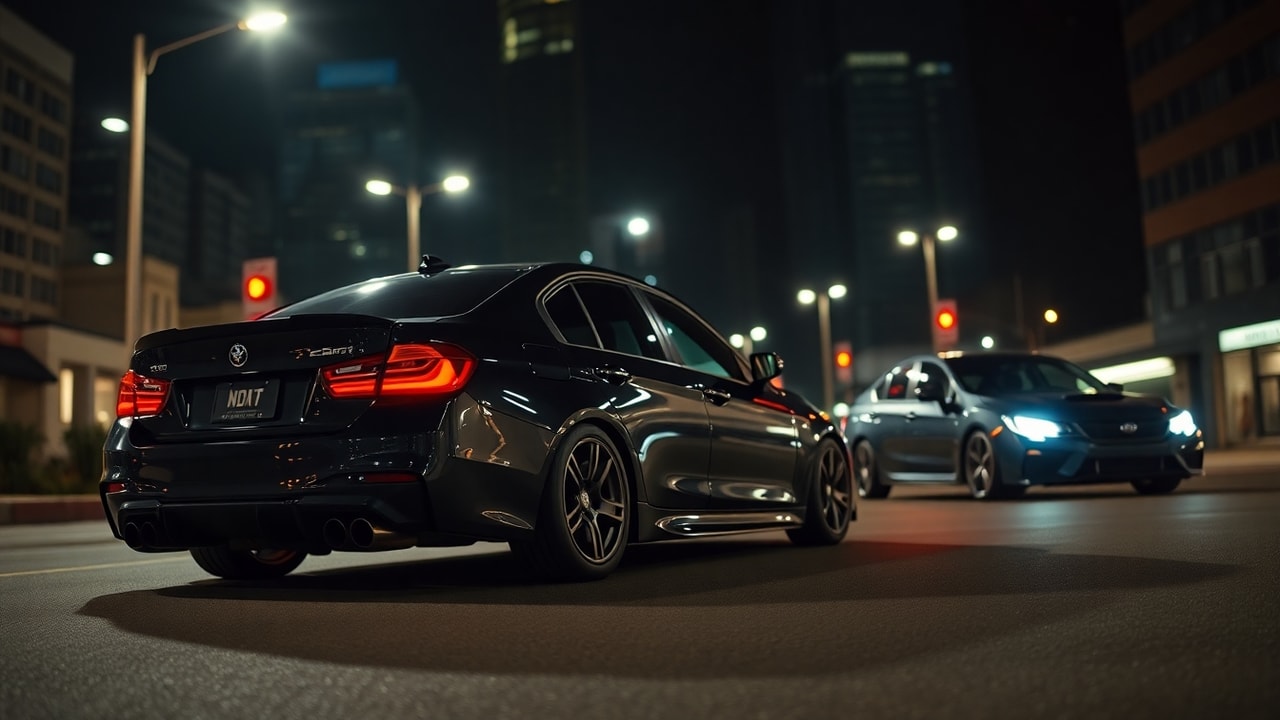
On Detroit streets, speed isn’t always about the badge on the trunk. In neighborhoods across the city, a growing number of drivers and small shops are chasing something more specific: Detroit sleeper cars that can feel quicker than a stock Subaru WRX STI, often with parts and strategies that cost less than many people assume.
It’s a trend visible at local track days, enthusiast meetups, and weekend drives—where owners trade setups, document results, and compare quarter-mile times the way earlier generations compared tire brands or engine swaps. What’s different now is the intentionality: drivers aren’t just building “fast cars,” they’re building faster sleepers that stay subtle until the moment the lights change.
Main Section
A “sleeper” usually means a vehicle that looks ordinary—no widebody kit, no loud aero—yet performs like something far more aggressive. In Detroit, that idea has taken on a modern edge as owners mix OEM-plus reliability with performance upgrades that target power delivery and traction.
While a Subaru WRX STI is known as a ready-to-go performance benchmark—especially for all-wheel-drive launches—Detroit builders often start with a different question: “What does it take to run with that pace, without paying STI-level prices?” According to the U.S. Census Bureau, Detroit’s population has changed over time and household incomes vary widely, making cost-effective upgrades more appealing to many enthusiasts who want results without stretching budgets.
At local meets, conversations tend to cluster around a few practical approaches to matching or surpassing the feel of an STI. Drivers commonly mention:
- Weight-conscious builds, including removing non-essential interior components and using lighter wheels or tires matched to the car’s suspension geometry.
- Traction-first tuning, where traction control settings, tire compound choice, and suspension alignment are treated as performance upgrades rather than an afterthought.
- Power upgrades with targeted fueling, such as turbo inlet and exhaust improvements, air intake refinements, and conservative calibration aimed at consistent launches—rather than peak dyno numbers.
- Transmission and drivetrain planning, including shifter upgrades, short-throw setups, and clutch or differential work to keep power to the ground.
“The biggest difference between a fast car and a sleeper that feels fast is consistency,” said a Detroit-area performance shop owner who asked not to be named because their business does not publish customer build details. “You can make power, but if the launch falls apart because of traction or the tune isn’t right, it won’t match what people expect from a WRX STI.”
That focus helps explain why some owners chase performance sleepers rather than full visual transformations. Detroit’s driving culture—shaped by long winters, variable grip, and a mix of street traffic and seasonal track opportunities—rewards setups that work across conditions. A sleeper that can start clean on a cold morning or hook up on a damp night may matter more to local drivers than flashy one-off builds.
Still, the comparisons to a Subaru WRX STI are more than a marketing shorthand. The STI is often treated by enthusiasts as a yardstick because it represents a compact performance package with all-wheel drive and a strong aftermarket. Data and reviews from outlets like Car and Driver and MotorTrend have historically emphasized the STI’s launch and traction advantages, which is exactly why Detroit drivers bring the question back to the garage: how do you replicate that repeatable grip in other makes and models?
“People underestimate how much traction and calibration matter,” said a local automotive instructor affiliated with a community education program focused on basic vehicle systems and performance diagnostics. “A sleeper can be quick because it’s tuned to deliver usable power, not just because it has a loud exhaust or bigger turbo.”
Impact on Detroit Residents
For Detroit residents who don’t identify as “car people,” the sleeper-car scene still has a real footprint—especially in how it supports small businesses and uses local networks of expertise.
First, the trend can create demand for legitimate labor and parts procurement. Shops that perform tuning, suspension work, braking upgrades, and drivetrain services rely on repeat customers and referrals. When owners commit to getting performance right—rather than cutting corners—Detroit’s auto service ecosystem benefits.
Second, performance culture can influence how neighborhoods experience street activity. Detroit has long had a passionate car community, but the modern sleeper emphasis on “quiet until it’s quick” may reduce the visual intensity of some events while concentrating attention on how cars behave at speed. That matters for residents concerned about noise, safety, and traffic enforcement.
Third, it can raise awareness of safety and maintenance. Better traction systems and more robust braking often come with checks that owners might otherwise postpone. In that way, Detroit car culture can intersect with practical vehicle readiness—especially when owners plan upgrades around winter drivability and tire management.
Background & Data
Detroit’s automotive identity is rooted in more than nostalgia. It’s also tied to the city’s manufacturing legacy and a continuing network of suppliers, technicians, and training opportunities. However, affordability remains central. In the city, vehicle repairs and upgrades can be expensive, and “budget performance” has become a language many enthusiasts use to describe smarter parts selection and better calibration rather than buying premium packages outright.
According to the U.S. Bureau of Labor Statistics, prices across transportation-related categories and consumer spending patterns have been uneven in recent years. For many households, that translates to a preference for upgrades that deliver measurable results without forcing a full vehicle replacement.
Meanwhile, the broader enthusiast ecosystem has made comparisons easier than before. Owners share time slips, data logs, and build notes online, turning what used to be a private garage story into a community reference point. The STI vs sleepers conversation—often framed as “can it really run?”—is now part of an evidence-driven culture where drivers chase drivability and repeatable performance.
That said, it’s important to keep expectations grounded. A “faster sleeper” is usually defined by specific conditions: tire temperature, track prep, driver consistency, weather, and the exact STI trim and modifications. In other words, STI vs sleepers comparisons aren’t one-size-fits-all, and Detroit drivers know it. The setups that work best are often the ones that match local reality—street traction variability, cold starts, and practical maintenance schedules.
What Happens Next
As more Detroit owners adopt tuning-forward approaches, the sleeper trend is likely to keep expanding—especially if community education, track days, and local shop networks continue to reward safe, well-documented builds.
At the same time, enforcement and community feedback will continue to shape what’s acceptable. Detroit residents who want a vibrant car culture without disruption typically call for clear boundaries: responsible driving, proper vehicle upkeep, and respect for neighbors.
For drivers considering their own Detroit sleeper cars project, the biggest practical lesson is that “quick” is more than horsepower. Shops that stress calibration, traction, and braking upgrades tend to attract customers who want reliability and results, not just attention.
In the end, the appeal of a sleeper that feels quicker than a Subaru WRX STI isn’t only about beating a benchmark. It’s about local ingenuity—Detroit-style performance that stays understated, runs hard when it counts, and is built through hands-on knowledge that keeps the city’s automotive identity moving forward.