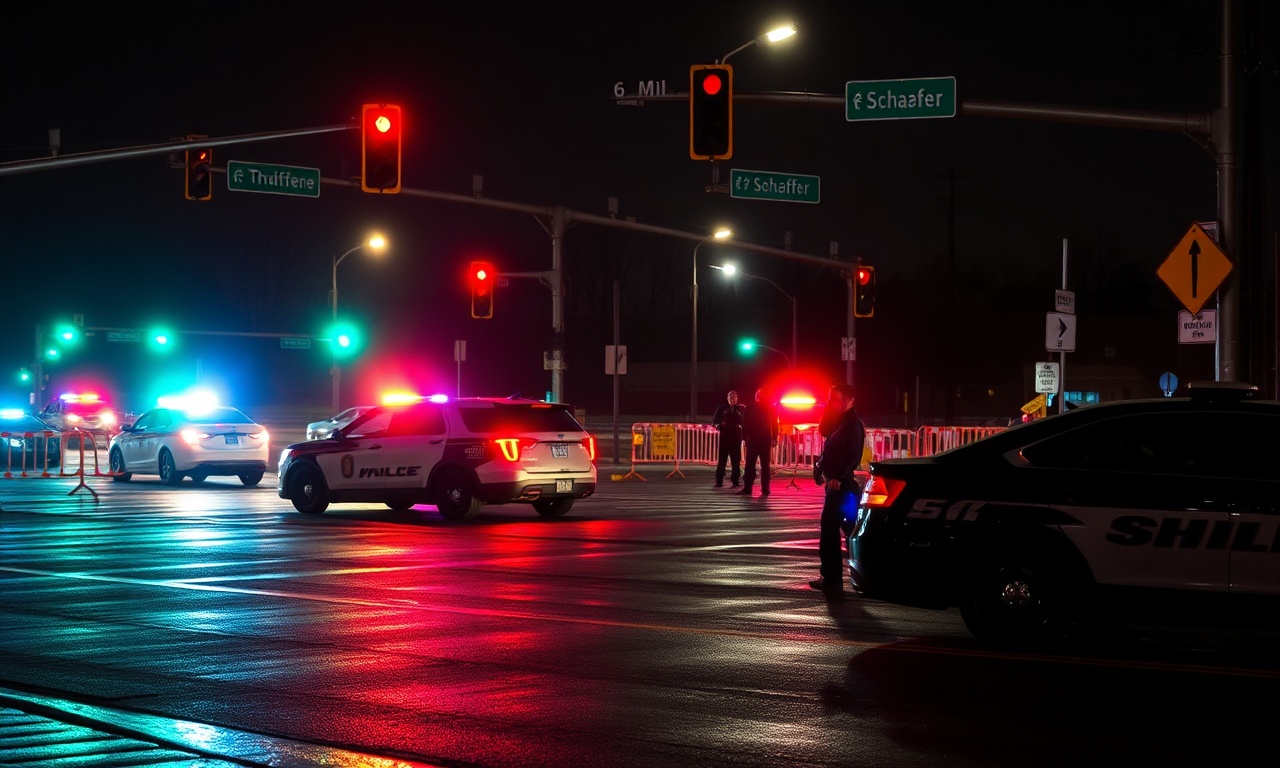
A Detroit car crash at 6 Mile and Schaefer ended in at least one death and prompted emergency crews to transport another person in critical injuries Detroit, according to authorities responding to the crash.
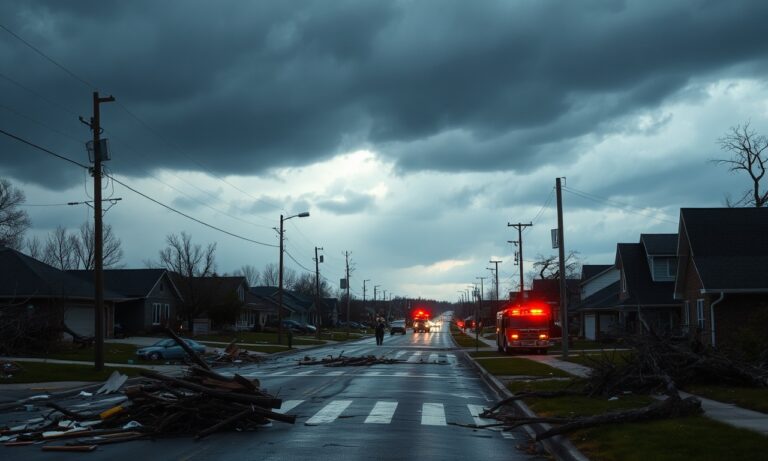
Detroit police and fire units were called to the intersection in the western part of the city after reports of a crash involving at least one vehicle. The incident occurred during a period of heavy commuting traffic, when the corridor regularly sees congestion and frequent lane changes.
Crash details: one dead, another in critical condition
Detroit Police Department officials said the crash remains under investigation and that investigators are working to determine how the collision happened and whether any factors such as speed, impairment, or traffic signal operation contributed.
In a statement, the department said officers arrived to find one person who did not survive their injuries and another person who was taken to an area hospital for treatment. Officials did not immediately release the victims’ identities or ages, citing the ongoing investigation and notification procedures.
According to the Detroit Fire Department, crews managed scene hazards and provided medical assistance while officers controlled traffic around the area. Fire officials said responders documented evidence at the scene and coordinated with police to ensure safe removal of vehicles as the intersection remained active for other motorists.
As is typical in serious collisions, investigators collected physical evidence and reviewed available information to reconstruct the timeline leading up to the impact. The investigation may also include statements from witnesses who were present at the intersection.
Impact on Detroit Residents: traffic disruption and safety concerns
For Detroit residents who rely on the area, 6 Mile and Schaefer is a key crossroads connecting multiple neighborhoods and serving as part of the broader route system feeding into Detroit’s major commercial and industrial corridors.
When a collision blocks lanes at or near a signalized intersection, drivers often experience delays that ripple outward—particularly for commuters turning onto nearby arterials and for drivers heading toward express routes beyond the city. In the hours after the crash, police typically redirect traffic and reduce congestion in some directions while emergency personnel work.
Local drivers also face a heightened sense of risk following fatal crashes. While intersections vary in safety outcomes, serious crashes at major junctions often renew calls for stronger enforcement of traffic laws and improvements such as signal timing adjustments, clearer lane markings, or traffic-calming measures—changes that require coordination among city agencies and transportation partners.
Detroit traffic accident context: why intersections matter
Intersection crashes are a persistent problem in cities because they combine high vehicle volumes with frequent turning and crossing movements. In Detroit, officials have repeatedly pointed to the need for data-driven safety strategies to reduce severe injuries and fatalities on city streets.
Data from the Michigan Office of Highway Safety Planning and related state safety reporting efforts are used by transportation agencies to prioritize locations where crash rates are elevated. While each crash is unique, the broader pattern helps guide reviews of high-injury corridors and supports prevention measures, according to state transportation safety materials.
Additionally, the U.S. Department of Transportation has emphasized that speed management, safer intersections, and improved driver information can reduce the likelihood of severe outcomes when crashes occur. These principles are particularly relevant for major intersections where vehicles travel at varying speeds and where driving decisions must be made quickly.
Background & Data: what officials typically investigate in fatal collisions
In a fatal crash Detroit investigation, authorities often examine multiple lines of evidence, including:
- Traffic signal operation and timing, if applicable
- Vehicle speeds and the point of impact
- Driver conduct factors such as lane position, turn movements, and compliance with traffic control devices
- Physical evidence at the scene, including skid marks, debris patterns, and final vehicle positions
- Witness statements and any available surveillance or dash-camera footage
Investigators may also consider whether weather, lighting conditions, or roadway surface issues played a role. During evening and weekend traffic, for example, drivers often face glare from streetlights or reduced visibility, factors that can affect reaction times.
In the days following serious incidents, police departments typically publish fewer details until detectives complete key investigative steps, including interviews and evidence processing.
What Happens Next
Detroit police said the crash at 6 Mile and Schaefer remains under investigation and that additional information will be released as it becomes available. Authorities may also issue follow-up updates on charges, if warranted by the investigation results.
For drivers who use the intersection, the safest course is to watch for traffic control changes, follow detours if they are posted, and expect delays while investigators finish processing the scene. Motorists are also encouraged to remain alert in work zones or around emergency vehicles, particularly near intersections where responders may be stationed.
Families in affected communities often seek answers quickly after a fatal crash Detroit residents experience firsthand. But thorough investigations can take time—especially when investigators need to reconstruct the sequence of events and confirm evidence.
Anyone who witnessed the crash or has video or photos is typically asked to contact Detroit police so investigators can review additional information. Witness accounts can be especially valuable when determining how vehicles moved through the intersection just seconds before the collision.
As the investigation continues, residents will be watching closely—not only for names and official findings, but also for whether broader safety measures may be considered for one of Detroit’s high-traffic crossroads.