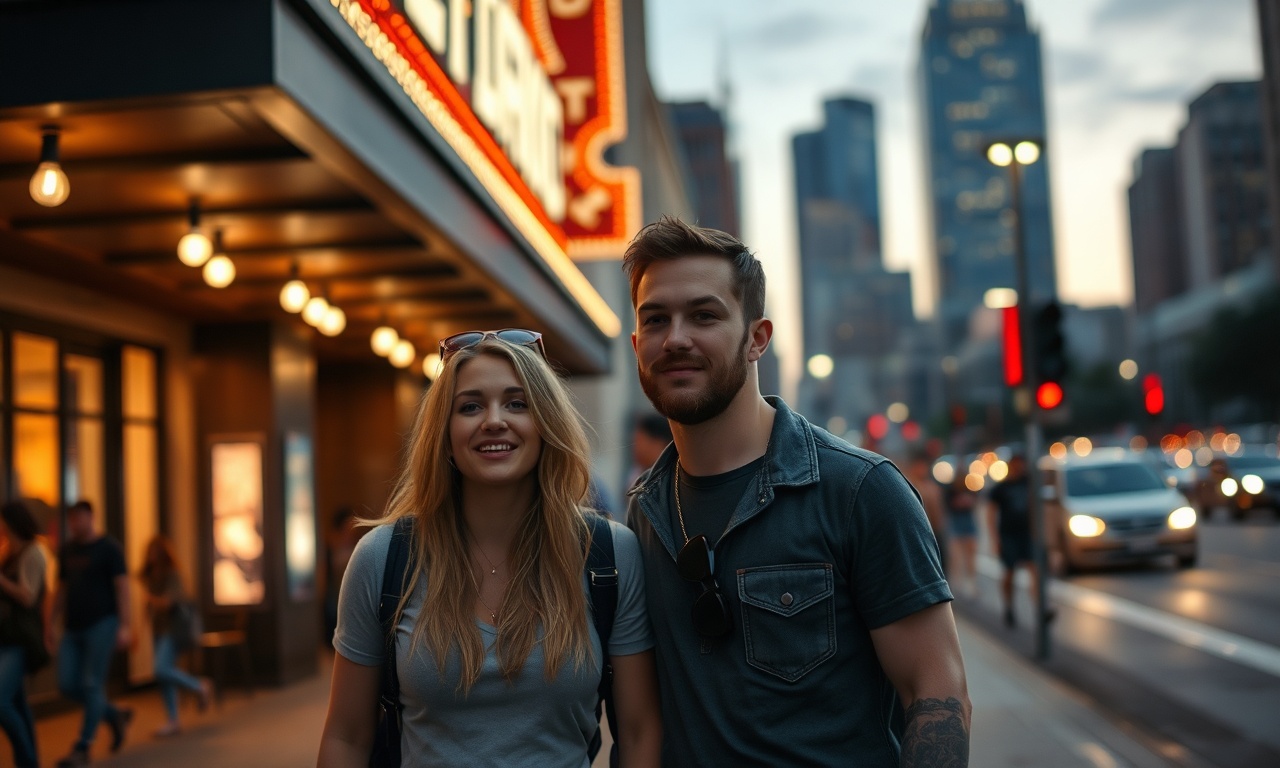
Matthew Stafford and Kelly Stafford shared a brief, candid moment while traveling in Detroit as they headed to a Taylor Swift concert—a stop that quickly turned into a widely shared social-media clip among fans tracking viral celebrity moment sightings across the city.
With Detroit news audiences watching both game-day headlines and major cultural events, the Staffords’ appearance underscored how often the city’s sports and entertainment worlds overlap. The couple’s moment, captured in transit and posted online, drew attention from fans looking for behind-the-scenes glimpses involving not just national music headliners, but also NFL stars in Detroit.
Main Section: A celebrity travel moment meets Detroit’s entertainment scene
According to a post shared by the couple on social media, the Staffords’ interaction took place while they were on their way to attend the concert in Detroit. The clip circulated widely online, with fans noting how recognizable the pair is in the region—from Stafford’s legacy as the former Detroit Lions quarterback to Kelly Stafford’s prominent public presence.
Local sports fans also pointed to the broader context of NFL stars frequently intersecting with major public events in the metro area. Detroit has increasingly become a place where touring entertainers and professional athletes share the same public stage, particularly during marquee weekends when restaurants, venues, and hotel districts see surges in visitors.
That backdrop matters for residents because it shapes traffic patterns and activity around key corridors. Public transit ridership can rise during major events, and the city’s attention often shifts toward crowd management and traffic flow along routes leading to entertainment districts.
While the Staffords’ moment was not tied to a city program or official event, it did add fuel to a familiar Detroit theme: this is a region where sports culture is closely braided with mainstream pop culture, and national attention frequently lands on the same neighborhoods.
Impact on Detroit Residents: Traffic, tourism, and the “Detroit spotlight” effect
For residents, high-profile celebrity sightings can be more than trivia. They can correspond with bigger weekend changes—such as increased rideshare demand, more pedestrians near venue areas, and heightened activity in hotels and restaurants.
According to data from the U.S. Census Bureau, the Detroit metropolitan area draws millions of domestic visitors annually for events, conventions, and tourism tied to its venues and cultural institutions. While celebrity attendance isn’t captured in those figures, the underlying reality is that large events still concentrate demand for lodging, dining, and transportation.
City officials typically encourage residents to plan ahead for major event traffic. The City of Detroit Department of Transportation has previously highlighted the importance of monitoring official road-closure and traffic-advisory channels during high-traffic weekends (including those tied to concerts and large sports crowds). Residents are encouraged to use alternate routes, allow extra travel time, and rely on official updates rather than rumors circulated online.
For businesses near entertainment zones, the presence of well-known figures is often less about direct revenue from celebrity guests and more about the attention that accompanies major event weekends. Restaurants and bars can see increased foot traffic when large crowds arrive, particularly in areas where fans gather before and after shows.
At the same time, there can be real-world friction. When people converge on popular corridors—whether for concert lines, pre-show dinners, or parking—local residents can experience noise, congestion, and temporary disruption. Those tradeoffs are part of living in a city with major venues and internationally recognized performers.
NFL stars in Detroit and the culture of crossover
The Stafford moment also landed with extra resonance because it sits at the intersection of Detroit’s NFL identity and its pop culture calendar. The Detroit sports landscape is still a dominant force in local media and public life, and Travis Kelce—an NFL star with a high national profile—has similarly helped keep the league in the spotlight during the same era of massive music-tour attention.
While Kelce’s presence is not directly connected to this specific travel clip, fans have increasingly come to expect crossovers between athletes, entertainers, and the media ecosystem—especially when high-profile artists like Taylor Swift are performing in Detroit.
In that sense, the Stafford clip functions as a “human” bridge between communities: it reminds residents that the city is both a sports town and a cultural destination.
Background & Data: Why Detroit draws national attention
Detroit has long attracted national sports and entertainment headlines, but recent years have strengthened the city’s position as a stop for major tours and celebrity travel. Detroit’s venues and event infrastructure have made it possible for high-volume crowds to arrive and disperse over short windows.
According to a report from the Michigan Department of Labor and Economic Opportunity, the state’s leisure and hospitality sector plays a substantial role in employment and visitor spending tied to tourism and events. Concerts by internationally recognized artists can be especially impactful during peak seasons when hotels and restaurants are busiest.
For the region, that means the ripple effects of concerts can reach beyond ticketed attendance. Increased demand can influence staffing needs at local businesses, rideshare availability, and short-term service jobs—areas where residents often feel both the benefits and the stress of event surges.
What Happens Next: Watch for city guidance and venue traffic plans
As Detroit continues to host major concerts and other large-scale events, residents are likely to see more moments like the Staffords’ travel clip—small pieces of celebrity news that reflect larger weekend pressures on transportation and public space.
In the hours surrounding a concert, the most useful guidance for Detroit residents typically comes from official venue announcements and city transportation advisories. Residents should check for real-time updates on road restrictions, parking guidance, and transit options before heading out.
For those planning to attend future shows, local experts often recommend treating event weekends like weather: plan ahead, build in extra time, and avoid last-minute changes that can get magnified by congestion. That approach is especially helpful for neighborhoods near major arteries where traffic can tighten quickly.
Meanwhile, as the internet continues to circulate the Staffords’ viral clip, fans will likely keep watching for other recognizable faces arriving in town. But for Detroit residents, the most practical takeaway is less about celebrity fandom and more about preparation—because when international artists and national sports figures overlap on the calendar, the whole city feels it.
Note: This article focuses on the Staffords’ viral moment as reported through publicly shared social media content and places it in the context of Detroit event planning and local transportation impacts.