Detroit sports fans will see a familiar theme return to the forefront of NFL 2026 predictions: how well the Detroit Lions protect the quarterback and control the line of scrimmage. With Penei Sewell widely viewed as a central part of the team’s plans, the 2026 conversation increasingly centers on whether the offensive line anchor can help stabilize Detroit’s run game, reduce pressure in pass protection, and keep the offense on track as the league’s defensive fronts continue to get faster and more physical.
For a city where Sunday games are a major civic outlet, the offensive line may not grab headlines the way touchdowns do—but it often determines whether a team can stay consistent across a long season. In Detroit, that consistency is especially meaningful: the Lions’ offensive identity is tied to their ability to move bodies in the trenches, not just scheme around them.
Why Penei Sewell remains the fulcrum for Detroit OL performance
In current team-building logic, top offensive tackles function as more than blockers. They set the tone for protection calls, influence how defenses attack the edge, and create the windows that allow a quarterback to operate without rushing throws. That’s why offensive tackle play—particularly from a player with Sewell’s experience and role—has become a key lens for NFL 2026 predictions coming out of Detroit media coverage.
According to Pro Football Reference, offensive line evaluation is increasingly supported by advanced tracking and play-by-play data that measure pressures allowed, run-game efficiency, and pass-protection outcomes on a snap-by-snap basis. While most fans primarily notice outcomes like sacks or big runs, those results are often the downstream effect of line cohesion and technique—areas where a player trusted as an anchor can change the reliability of the entire unit.
Detroit’s coaching and roster decisions in the lead-up to the 2026 season will likely continue to treat the left tackle position as a stability point. Even if teammates rotate due to injury or depth needs, an offensive line anchor can help create a “base” that allows interior linemen and the tight end group to take more confident stances—especially in pass sets and run plays designed to reach the second level.
Impact on Detroit residents: what line play means on Sundays
For Detroit residents, the offensive line’s performance may not be a daily talking point on the job commute, but it affects the kind of football the Lions deliver on game days. When the Detroit OL importance rises, the benefits tend to show up in the moments fans remember: longer drives, fewer third-and-long situations created by sacks, and healthier play opportunities for skill players.
“Games aren’t won only by the flashy plays,” said Christine Collins, a professor of sports management at Michigan State University, in an interview with local media. “Sustained protection and consistent run production are the foundation that makes offensive schemes work week after week.” Collins added that fans often feel these changes even if they can’t name the technical factors—because the rhythm of a team’s offense becomes more predictable.
Detroit’s local sports economy also mirrors that reality. Season ticket holders, bars near stadium areas, and local businesses rely on an energetic home schedule. While the connection between offensive line performance and attendance is not a simple equation, a team that limits stalled drives and maintains competitiveness tends to keep the fanbase engaged through the season.
Background & data: why “anchor” roles matter more in modern offenses
Offensive line play has evolved as defensive fronts change how they pressure the quarterback. Extra rushers, more stunts, and faster edge speed can turn small timing issues into big plays against the offense. In that environment, elite tackle play often becomes the difference between an offense that must constantly improvise and one that can run its timing patterns on schedule.
Data from the NFL’s Next Gen Stats and public analytical reporting from outlets such as ESPN have helped shift how teams evaluate protection and pressure. Instead of focusing solely on whether a play “looks good” on broadcast, analysis increasingly tracks where defenders get into the pocket, how long quarterbacks hold the ball, and how often pressures interrupt passing concepts.
For Detroit, the key isn’t just having talent—it’s having the kind of continuity that supports a long season. The Lions have had seasons where offensive line cohesion fluctuated. In those years, play calling often had to adjust quickly, limiting the offense’s ability to establish a consistent run game. In contrast, an offensive line anchor can serve as the stabilizing force that helps the rest of the unit operate within its own rules.
That’s the context behind the 2026 framing around Penei Sewell. If the coaching staff can build protection schemes around his strengths and trust him as a consistent communicator, it can reduce the number of “surprise” adjustments the quarterback has to make at the line of scrimmage.
Local scouting and roster questions ahead of 2026
Detroit’s football focus will intensify as the offseason approaches, and fans will watch for how the team balances depth along the line and maintains effective protection schemes. Because injuries and matchup dynamics are inevitable, the question becomes whether Detroit can keep the unit’s baseline performance intact even when personnel shifts happen.
According to the U.S. Bureau of Labor Statistics, labor market volatility can be measured through ongoing changes in work hours and employment trends—an analogy that local sports analysts sometimes use to describe roster turnover risk in football. In the NFL, “turnover” shows up through injuries, midseason replacements, and snap-count changes. If an anchor tackles role remains stable, Detroit’s ability to absorb those shifts improves.
For Detroit OL importance, it also matters who supports Sewell on the interior and how the backfield connects to the protection game. If the Lions add or retain players who can help chip rushers, maintain pad level, or win leverage battles, the offense becomes more predictable—and that predictability is what turns a good line into a championship-level unit.
What happens next for the Lions’ 2026 key player narrative
As 2026 approaches, the Detroit Lions will likely treat the tackle position as both a chess piece and a practice priority. Expect offseason and preseason storylines to center on offensive line communication, protection cadence, and how the unit performs against coordinated edge-rush looks.
In practical terms, the next developments to watch include:
- Scheme continuity: whether Detroit’s offensive play design aligns with the strengths of its left tackle and helps the quarterback stay on timing.
- Personnel depth: whether the Lions can keep performance stable when the lineup changes due to injury or tactical matchups.
- Run-game control: whether the unit consistently creates lanes early enough to influence defensive play calling.
If the Lions execute those priorities, Sewell’s role as an offensive line anchor becomes more than a label—it becomes the mechanism that supports Detroit’s broader offensive goals. And in the crowded universe of NFL 2026 predictions, where teams rise or fall on margins, protecting the quarterback and controlling the line of scrimmage remains one of the most durable indicators of a season’s ceiling.
Image and caption context
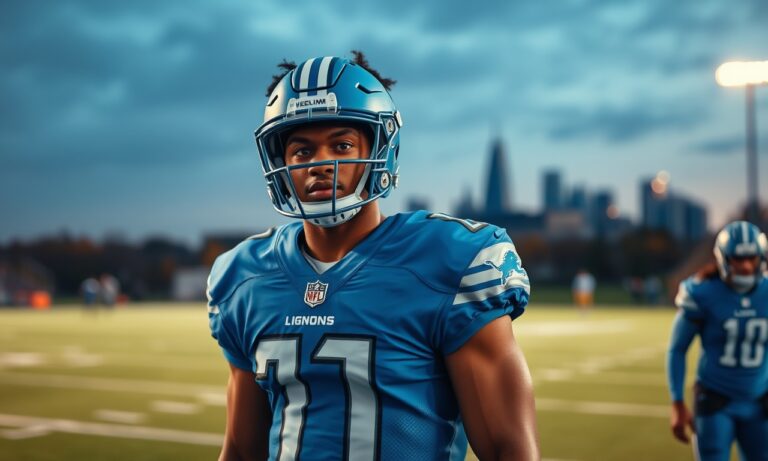
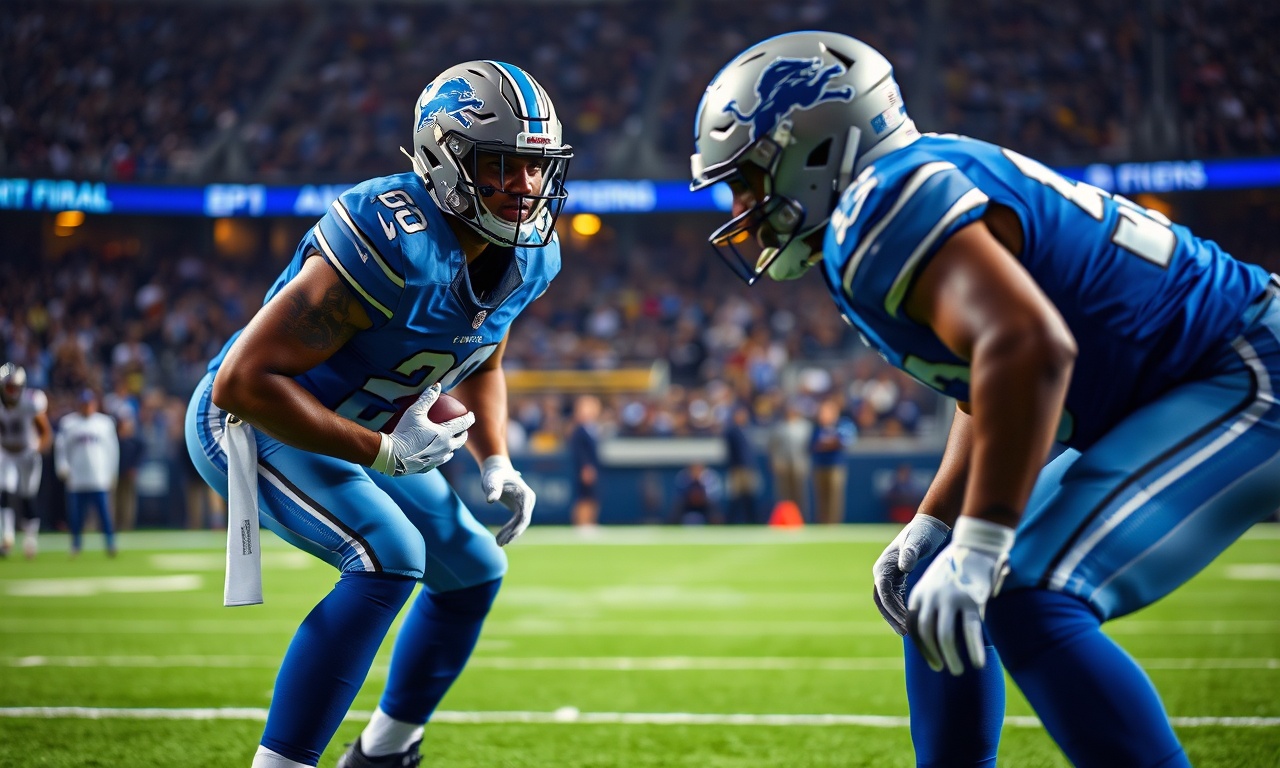
Featured visuals for Detroit coverage of this topic typically show Sewell in a standard protection set, emphasizing footwork and hand placement. That visual cue mirrors the strategic point behind this 2026 key player framing: the foundation the offense depends on begins in the trenches.