The Detroit Lions’ 2026 season preparations are beginning to take shape in an area that often decides a team’s ceiling before any playoff spotlight arrives: the offensive line. As roster decisions come into focus, Detroit Lions 2026 roster bubble conversations are increasingly centered on the Lions’ offensive linemen depth chart—especially the players fighting for starting spots and stability across the interior.
For Detroit fans, that matters beyond football trivia. The offensive line is where a consistent unit can protect a quarterback, create lanes for the run game, and reduce the weekly injury churn that can derail even well-designed offenses. In a city where the Lions are part of the cultural rhythm, the road to the 2026 NFL roster watch season is being traced through who wins the unglamorous battles at practice and who can hold the line when the schedule tightens.
Offensive line jobs are shaping up as the Lions’ 2026 roster question
Several positions along the line are typically vulnerable during a roster-building cycle—guards who must handle both power run schemes and speed rushers, and tackles who balance pass protection technique with edge-setting in the run game. This year, team sources and local beat reporting indicate the Lions are emphasizing versatility and reliability as they narrow the field for the coming season.
According to Pro Football Reference, the Lions have historically valued continuity along the line as a predictor of offensive efficiency, particularly in pass protection. While that’s not a direct guarantee of success, it underscores why Detroit Lions 2026 roster bubble debates tend to intensify whenever camp approaches: teams look for repeatable performance, not one-week flashes.
At the same time, the broader NFL economy of roster building—contracts, injuries, and salary-cap management—creates natural movement even in stable organizations. The Lions are not operating in a vacuum. The NFL’s competitive landscape ensures that the “depth chart” is also a risk management plan, where a player’s ability to start in more than one role can determine whether a roster spot is secure.
What Detroit training camp OL will reveal
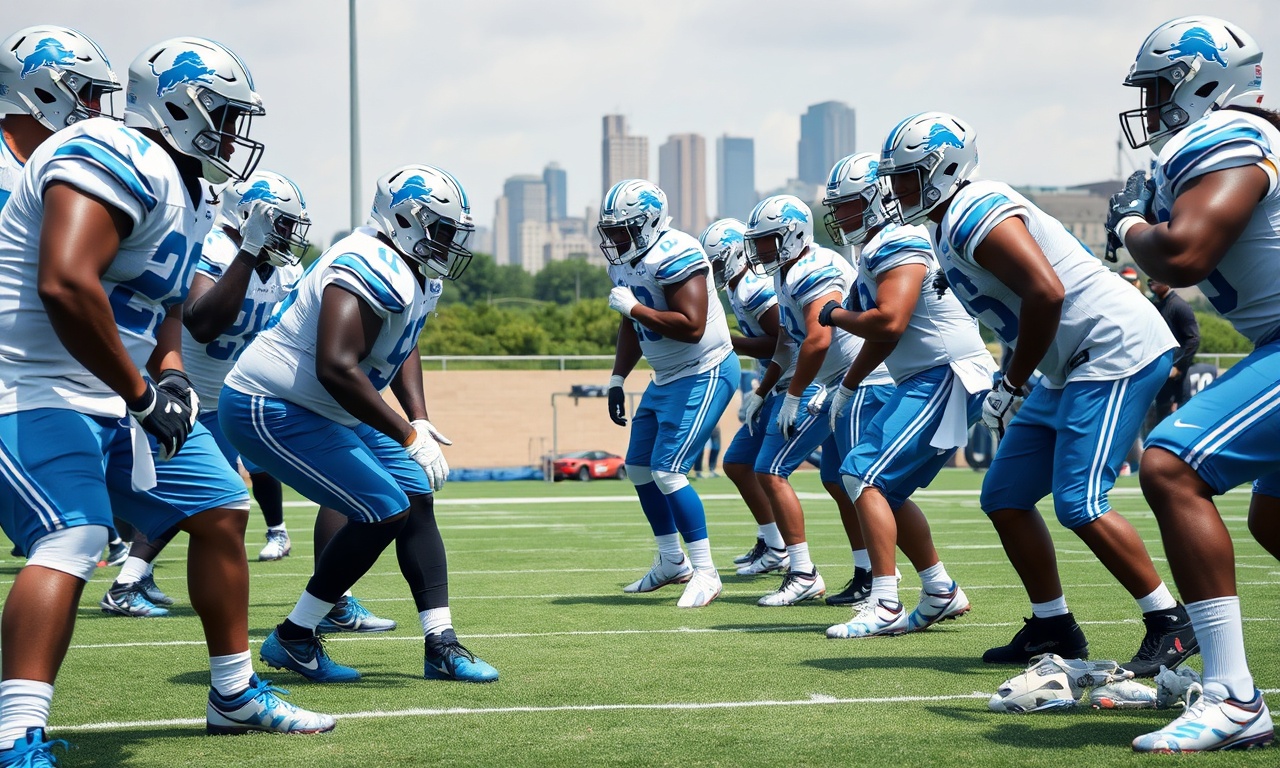
Detroit training camp OL evaluations usually hinge on details fans can feel even if they don’t always name them: how a lineman anchors against bull rushes, whether they can mirror speed-to-power edge moves, and whether they understand protections quickly enough to play at full speed. For the Lions, those are also questions of leadership—who communicates at the line, who adjusts in the huddle, and who keeps assignments from breaking down when the defense twists its looks.
During organized team activities and the early stages of training camp, coaches typically distribute reps that reflect the roster bubble reality—starting-caliber repetitions for players who could graduate into higher roles, and competitive reps for those fighting to stay on the roster. When offensive linemen are tied to multiple potential lineups, the Lions’ camp decisions often determine the team’s flexibility for the regular season.
“In the trenches, the margin is small. Players who can learn protections quickly and stay disciplined tend to get opportunities,” said Daniel Jeremiah, host and analyst for the NFL Network, in commentary that has been widely reported across the league’s pre-draft and roster evaluation coverage. The emphasis on adaptability and decision-making is a theme that frequently shows up when analysts discuss how teams separate practice value from game value.
Impact on Detroit residents: stability in the stands, too
Detroit football fandom doesn’t exist only on Sundays. The build-up to camp and the pace of roster conversations feed into community life—whether that’s ticket demand, local sports media engagement, or the way bars and restaurants across the city plan for weekend crowds.
Those impacts may sound indirect, but they show up in local business rhythms. According to Visit Detroit, the city’s sports calendar is part of a broader tourism and events ecosystem that supports restaurants, hospitality workers, and small businesses in neighborhoods near major venues and transit corridors. When a season narrative changes—such as when fans expect a healthier offensive line or a more stable run game—that can influence how residents and out-of-town visitors choose where to spend game days.
Even for people not tracking snap counts, an improved offensive line affects the pace of the game: fewer quarterback pressures can keep drives alive longer, and better run blocking can lift fourth-quarter energy. Over time, those on-field results feed back into local morale—especially in Detroit, where the Lions’ performance often becomes a proxy for optimism around the wider community.
Background & data: why offensive line “bubbles” matter
Offensive line roster battles are often underestimated because they rarely produce the highlight-reel moments fans associate with skill positions. But league-wide, protect-and-create fundamentals influence almost every offensive metric. Teams that can sustain pass protection and run blocking tend to experience more consistent play-calling, fewer negative-yardage plays, and more manageable third-down sequences.
That’s why the Detroit Lions offensive linemen watch is more than a local curiosity. From a competitive standpoint, the offensive line is where injuries frequently cascade. A single replacement can alter communication and footwork timing across the unit, which is difficult to fix mid-season without rehearsal reps and chemistry.
Data context from organizations that track participation and injury trends can also help explain why teams keep more “starter-capable” options than fans might expect. While the Lions’ specific roster plans are internal, the league’s general injury exposure makes depth a non-negotiable requirement.
How the Lions’ OL depth chart could shift before 2026
In roster-bubble terms, the question isn’t only who is good enough to start. It’s also who is reliable enough to stay on the field long enough to justify the roster spot. For the Lions, that translates into evaluating:
1) Inside-outside readiness: Guards who can handle tackle-style foot speed, and tackles who can adjust to interior stunts when the lineup calls for it.
2) Technique under pressure: Whether linemen keep leverage and hand placement when pass rushers accelerate their timing.
3) Communication and discipline: Protecting against simulated pressures, ensuring line calls don’t break down when the defense disguises looks.
4) Availability: Durability through practice volumes that intensify as training camp continues.
Because those categories overlap, an offensive line roster bubble can appear to be “stable” to casual observers while still being fluid underneath. The Lions may have a core group, but the final layer of depth is often determined late—based on who shows the best combination of readiness, coachability, and game-like movement during Detroit training camp OL sessions.
What happens next: the 2026 NFL roster watch will turn on camp and early preseason
As the Lions move deeper into preparation, Detroit Lions 2026 roster watch attention will likely intensify around three milestones: the early camp reps that clarify first-team continuity, the mid-camp tests where the defense brings more complex looks, and the early preseason period where football becomes more chaotic and decision-making shows up quickly.
For Detroit residents, the practical takeaway is straightforward: the Lions’ ability to protect the quarterback and control the run can shape the feel of the season long before the final roster is set. And because roster bubble decisions often affect how many players the fan base watches closely each week, the offensive line storyline could remain one of the most consequential threads through the 2026 season.
In a city that lives for Sundays, the Lions’ offensive linemen watch isn’t just about who wins a job—it’s about what kind of offense Detroit gets when it matters most.