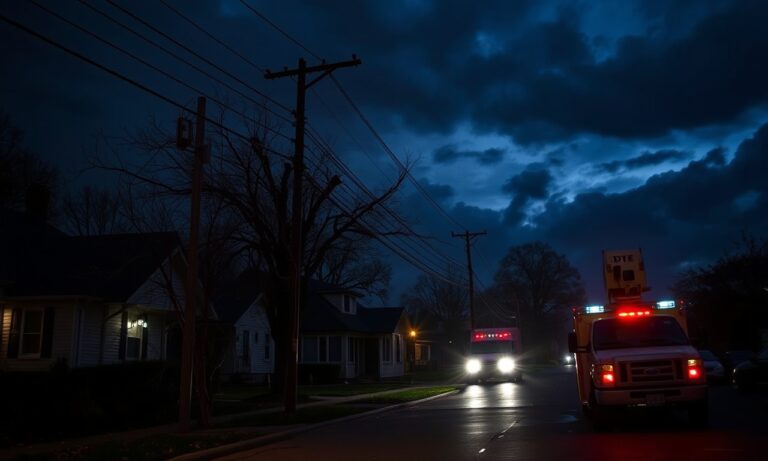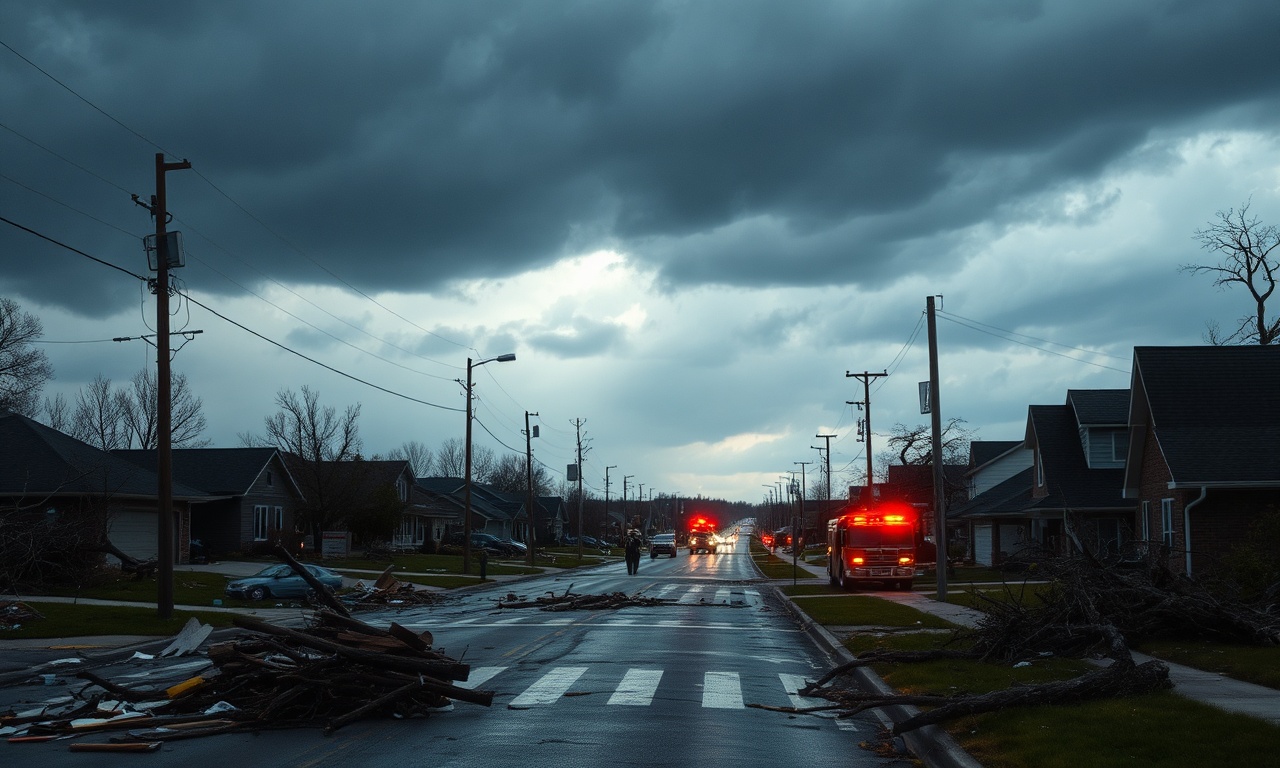
A storm system moving through central Minnesota triggered reports of a possible tornado near Detroit Lakes on Monday, injuring two people and damaging multiple homes, according to local and state officials. While authorities continued to assess the area after the strongest winds passed, emergency crews conducted searches and began storm cleanup as residents reported broken windows, roof damage, and debris scattered across neighborhoods.
The National Weather Service (NWS) reported that it was monitoring the potential tornado threat as weather conditions deteriorated in the Detroit Lakes region. “We use reports from the field, radar indications, and post-storm damage assessments to determine whether a tornado occurred,” a meteorologist with the NWS said, noting that officials may update findings as teams complete surveys.
For Detroit residents, the incident is a reminder of how quickly severe weather can disrupt communities hundreds of miles away—especially for travelers, businesses with Minnesota operations, and families with ties to the region. Severe storms can also affect supply chains and travel schedules tied to the broader Upper Midwest.
Main Section
Emergency management officials in Minnesota said two people were taken to hospitals with injuries believed to be related to storm damage. The injuries were not described as life-threatening in early statements, but officials emphasized that the investigation into what exactly occurred was ongoing.
According to local reports echoed by state agencies, multiple homes in and near Detroit Lakes suffered damage, including downed branches and power lines, damaged siding, and structural impacts consistent with strong winds. Crews worked through the day to clear roads, restore utilities, and remove debris from properties.
Officials urged residents to stay away from damaged structures and to follow guidance from utility providers and emergency management teams. “After storms like this, hazards can remain even when the winds have stopped—especially around weakened roofs, fallen lines, and unstable debris,” said a spokesperson for Minnesota’s emergency management team in remarks carried by local media.
Impact on Detroit Residents
Detroit residents may feel the ripple effects of a Minnesota tornado event in several practical ways. First, weather-driven disruptions can delay commercial trucking routes that carry goods between the Great Lakes region and the Upper Midwest. Second, families who travel to Minnesota for seasonal work, school breaks, or visits may find flight and ground transportation schedules affected when storms produce widespread power outages or road closures.
Local Detroit businesses with Minnesota clients, suppliers, or distribution partners could also experience short-term delays. Even when damage is geographically limited, storm cleanup can extend for days, affecting deliveries, maintenance schedules, and contractor availability.
Finally, the incident carries an educational impact for Detroiters: it underscores the importance of having a severe weather plan even far from home. In Michigan, tornado warnings and severe thunderstorms occur regularly, and preparedness guidance—such as identifying safe shelter locations, monitoring emergency alerts, and keeping go-bags with essentials—translates across states.
Background & Data
Severe weather in the Upper Midwest often forms when warm, moist air collides with cooler air in the presence of wind shear—conditions that can fuel rotating storms. The NWS said that evaluating a “possible tornado Detroit Lakes” scenario depends on a combination of eyewitness accounts, storm structure analysis, and damage surveys conducted after the event.
According to the NWS, tornado ratings are finalized only after teams confirm damage patterns consistent with tornado winds rather than straight-line thunderstorm winds. That process can take time, particularly when visibility is reduced by debris or when damage spans a broader area than initial reports suggest.
Meteorologists also rely on warnings and radar data to determine how long a storm may have produced rotating conditions. While the public often hears “tornado possible” early—particularly during periods of rapidly changing weather—official determinations typically follow once field teams can verify the type and extent of damage.
In situations like this, residents are encouraged to keep photos, video, and timestamps that can help authorities verify the timing and location of damage. Officials said that detailed documentation can assist emergency management and weather teams, especially when multiple structures report impacts.
What Happens Next
As storm cleanup continues, crews are expected to focus on restoring electricity and making roads safe for travel. Utility companies generally assess downed lines and damaged equipment before re-energizing service, and local officials may keep certain areas closed until structural inspections confirm safety.
The NWS will likely continue updates if additional evidence emerges from damage surveys. If a tornado is confirmed, it could later be assigned an official rating that reflects the estimated intensity based on damage indicators. Even without confirmation, the event will remain relevant for emergency preparedness lessons and for ongoing reviews of how alerts reached nearby neighborhoods.
Residents affected by tornado damage are also commonly advised to document property conditions for insurance claims, to avoid unpermitted repairs until assessments are complete, and to watch for debris hazards such as nails, broken glass, and weakened beams.
Meanwhile, Minnesota emergency management officials said the priority is ensuring medical needs are addressed and that communities receive clear, timely updates as assessments progress.
Storm cleanup and recovery considerations
In the days after severe weather, local agencies often coordinate with contractors and volunteer groups to remove debris, help residents secure homes, and establish temporary resources for those displaced by damage. Cleanup efforts may be slowed by weather conditions, equipment shortages, and the need for utility safety checks.
For Detroiters watching regional headlines, the key takeaway is that recovery can be gradual even when danger passes quickly. Monitoring official sources—such as the NWS and Minnesota emergency management updates—helps residents avoid misinformation and plan around continuing service disruptions.
As investigations continue into the possible tornado Detroit Lakes event, officials are expected to provide more detail about the storm’s path, the nature of the damage, and any confirmed tornado findings.