Detroit property management overview
Owning rental property in Detroit can be one of the most rewarding investments in the Midwest — but it also demands careful management. From screening tenants and handling maintenance to navigating local ordinances and taxes, property management in Detroit is both an opportunity and a responsibility.
In 2025, the city’s rental market remains strong, fueled by steady demand, affordable entry prices, and Detroit’s ongoing revitalization. For landlords, investors, and property managers, this comprehensive Detroit Property Management Guide explains how to protect your assets, maximize returns, and stay compliant with Michigan’s evolving rental laws.
Detroit property management – Rental Market Overview (2025 Snapshot)
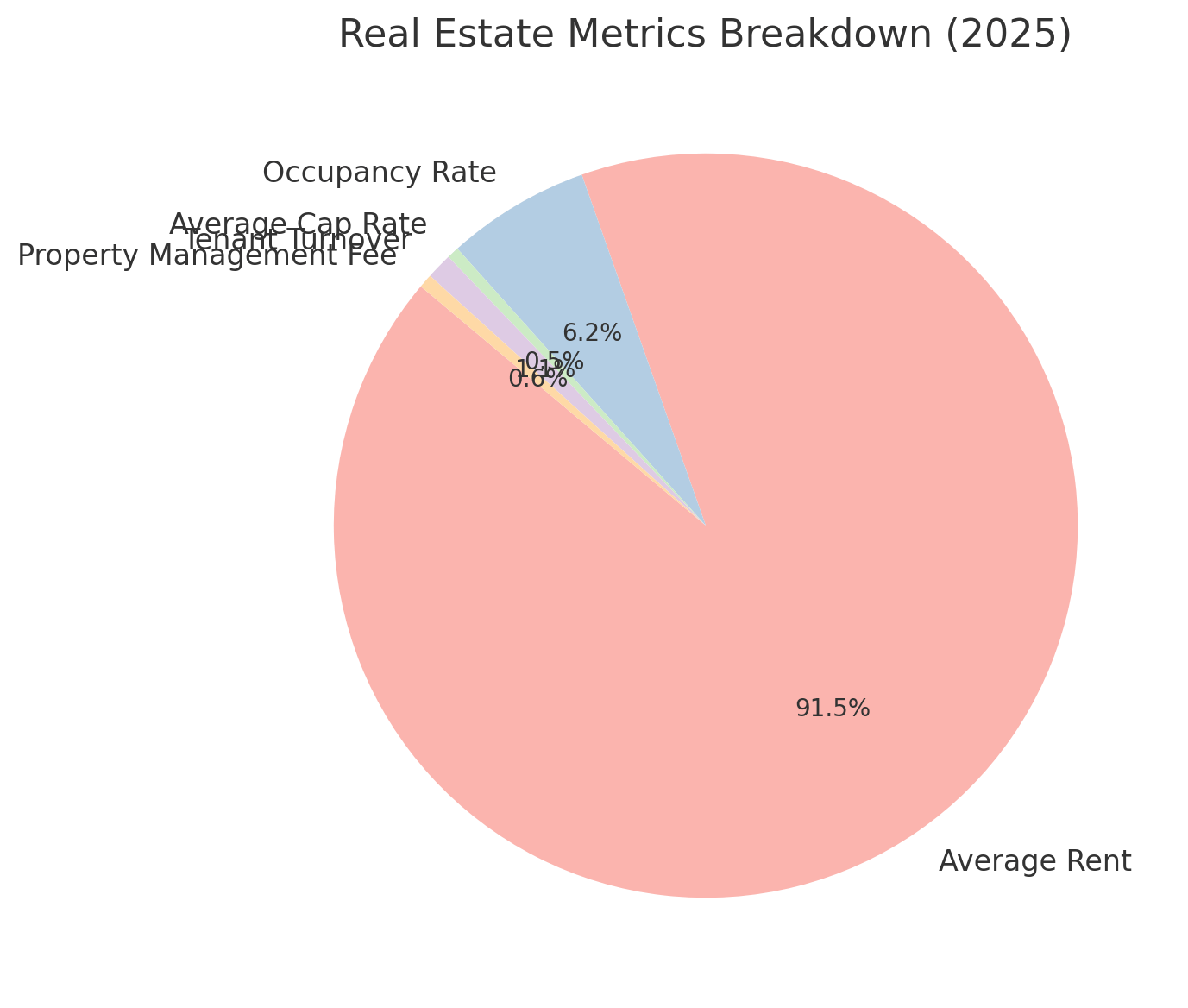
| Metric | 2025 Data | Year-over-Year Change |
|---|---|---|
| Average Rent | $1,375/month | +6% |
| Occupancy Rate | 93.6% | +0.8% |
| Average Cap Rate | 7.8% | Stable |
| Tenant Turnover | 16–18 months | Slight improvement |
| Property Management Fee | 8–10% | Unchanged |
Detroit remains one of the few major U.S. cities where landlords can achieve above-average cash flow. Investors are drawn by strong rental yields, consistent occupancy, and a local economy driven by technology, manufacturing, and healthcare.
Why Detroit Property Management Matters in Detroit
Detroit’s rental market rewards diligence. The city’s older housing stock, strict code enforcement, and neighborhood variability require professional oversight. A skilled property manager can help landlords avoid costly mistakes while keeping tenants satisfied.
Key benefits of professional management:
-
Reliable rent collection and accounting
-
Compliance with Detroit housing codes
-
Routine inspections and maintenance coordination
-
Marketing and tenant placement
-
Legal and eviction support
Whether you own one duplex in East English Village or a dozen units across Midtown, proper management ensures sustainable profit and peace of mind.
The Detroit property management – Landlord Landscape
Detroit’s landlord community is diverse — from local owners with single-family homes to national investors with multifamily portfolios. In recent years, stricter rental certification rules have raised standards across the city.
The Detroit Rental Ordinance, enforced by the Buildings, Safety Engineering and Environmental Department (BSEED), requires:
-
All rental properties to be registered and inspected.
-
Lead clearance certificates for pre-1978 homes.
-
Repairs and maintenance before occupancy.
Failure to comply can result in fines or delayed rental approvals. Property managers familiar with Detroit’s processes can streamline these requirements.
Choosing the Right Detroit Property Management Company
Not all firms offer the same expertise. The best property managers understand Detroit’s neighborhoods, tenant demographics, and compliance needs.
Evaluate potential firms using these criteria:
| Criteria | What to Look For | Why It Matters |
|---|---|---|
| Experience | At least 3–5 years managing Detroit rentals | Local knowledge prevents costly errors |
| Fees | 8–10% of monthly rent; leasing fees separate | Fair pricing aligns incentives |
| Maintenance Network | Verified local contractors | Faster repairs, tenant satisfaction |
| Technology | Online portals for tenants/owners | Improves transparency and communication |
| Licensing | Michigan broker or property management license | Legal compliance |
Top-Rated Detroit Property Management Firms (2025):
-
Real Property Management Metro Detroit
-
JMZ Management
-
Downtown Realty Property Services
-
Great Lakes Property Management Group
Detroit Property Management – Landlord Responsibilities in 2025

Detroit landlords must balance profitability with tenant rights. The city emphasizes safe housing and fair leasing practices.
Legal and operational responsibilities include:
-
Registering rentals and maintaining valid certificates.
-
Ensuring functional heat, plumbing, and electrical systems.
-
Providing written leases and disclosures.
-
Returning security deposits within 30 days (minus itemized deductions).
-
Observing Michigan’s Fair Housing Act.
Pro Tip: Keep digital records of all tenant communications and maintenance requests. Documentation protects you in disputes.
Detroit property management – Tenant Screening and Retention
The best rental profits come from long-term, responsible tenants. Effective screening and retention save time and money.
Screening Best Practices:
-
Credit and income verification (3x rent rule).
-
Prior landlord references.
-
Background checks consistent with Fair Housing standards.
Retention Strategies:
-
Quick response to maintenance issues.
-
Regular property upgrades (paint, fixtures, energy efficiency).
-
Renewal incentives (small rent discounts or upgrades).
-
Transparent communication.
High turnover costs Detroit landlords an average of $1,800–$2,200 per vacancy, including lost rent and cleaning expenses.
Maintenance and Repairs
Older Detroit homes require proactive maintenance. Preventive care reduces emergencies and preserves property value.
Annual Maintenance Checklist:
-
HVAC inspection before winter.
-
Roof and gutter cleaning.
-
Plumbing and lead-safety inspections.
-
Smoke and carbon monoxide detector checks.
-
Pest control and exterior upkeep.
Property managers who schedule seasonal maintenance save landlords significant long-term costs.
Technology and Automation in Detroit Property Management
In 2025, property management is increasingly digital. Detroit firms use technology for everything from marketing to maintenance.
Popular Tools for Detroit property management:
-
AppFolio and Buildium for rent collection and accounting.
-
Cozy and Avail for small landlords managing fewer than five units.
-
Smart locks, thermostats, and leak detectors for remote monitoring.
Automation improves efficiency, while data analytics help track ROI and tenant satisfaction.
Understanding Taxes and Financial Management
Property income is taxable, but numerous deductions can minimize your tax burden.
| Deductible Expense | Example |
|---|---|
| Mortgage Interest | Loan payments |
| Property Taxes | Detroit city and county |
| Repairs & Maintenance | Plumbing, roofing, painting |
| Management Fees | Professional services |
| Depreciation | Over 27.5 years (residential property) |
| Utilities | When paid by landlord |
Consult a Michigan real estate CPA to ensure full compliance and maximum deduction.
Short-Term Rentals and Airbnb in Detroit

Short-term rentals are regulated under Detroit’s Zoning Ordinance 2024. Only owner-occupied properties or registered secondary dwellings can legally operate as Airbnbs.
Landlords should:
-
Verify zoning compliance before listing.
-
Collect and remit hotel occupancy taxes.
-
Maintain insurance coverage for liability.
While returns can be higher, the city monitors short-term rentals closely to preserve housing availability.
Challenges Detroit Landlords Face
-
Aging Housing Stock: Constant repair needs.
-
Tenant Screening Limits: Legal protections limit some background checks.
-
Eviction Delays: Post-pandemic court backlogs can extend timelines.
-
Property Taxes: Among the highest in Michigan (avg. 2.8%).
The best strategy is planning. Proactive management, clear documentation, and reliable contractors mitigate most risks.
Profitability Outlook 2025–2026
Detroit landlords can expect 6–8% average annual ROI for single-family rentals and up to 10% for multi-units in high-demand zones like Midtown and Corktown.
Neighborhoods with ongoing revitalization — Bagley, East English Village, and Jefferson-Chalmers — continue to attract stable tenants and investor attention.
Frequently Asked Questions
Do I need a property manager in Detroit?
Not necessarily, but most landlords find professional management worth the cost due to compliance and tenant coordination.
What are average property management fees?
Typically 8–10% of monthly rent, plus leasing or renewal fees.
Can I manage my rental remotely?
Yes, using online platforms, but it’s best to hire a local representative for inspections and emergencies.
How do I register my rental property in Detroit?
Through BSEED’s online portal — properties must pass inspection and receive a certificate of compliance before renting.