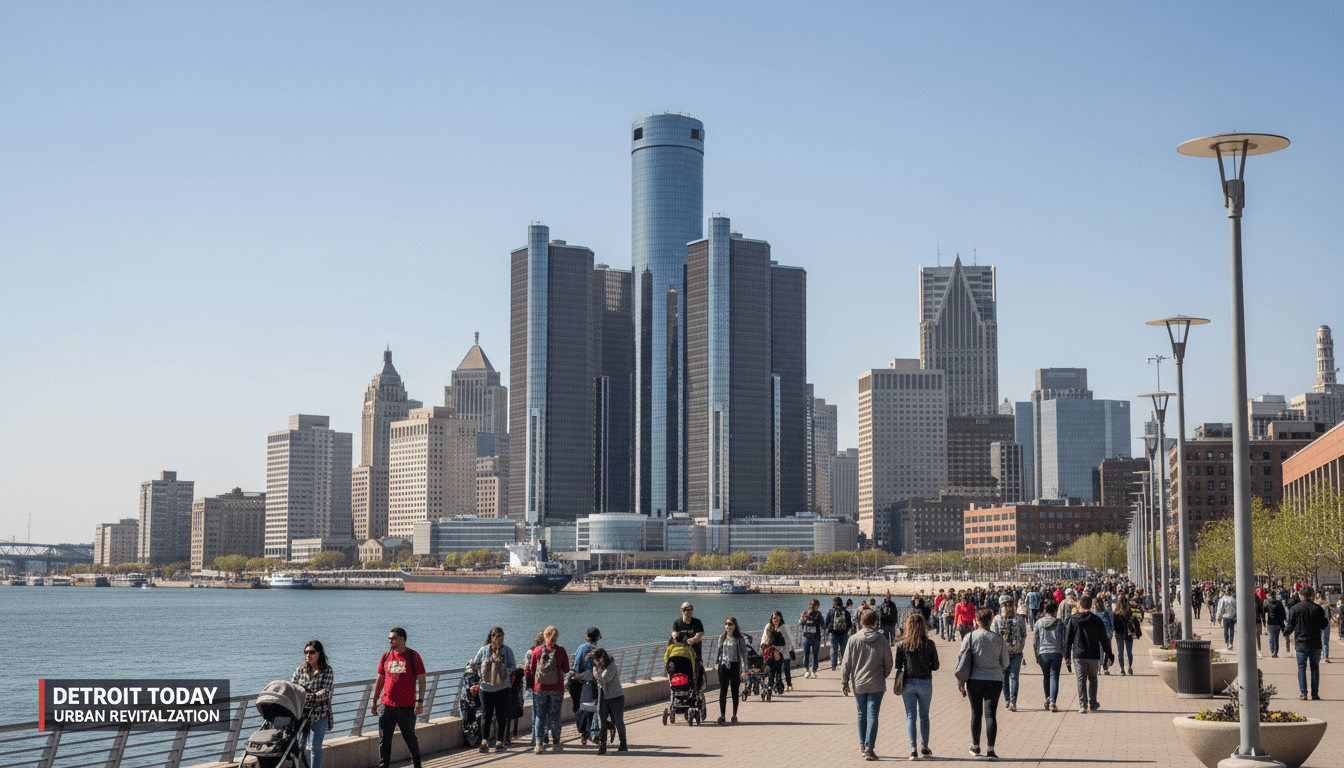
As the North American International Auto Show (NAIAS) descends upon Huntington Place, the spotlight shifts not only to the latest electric vehicles and concept cars but also to the host city itself. For decades, the event has served as a barometer for the automotive industry, yet in recent years, it has evolved into a critical economic engine for Detroit’s hospitality and cultural sectors. With thousands of industry executives, journalists, and enthusiasts flooding the downtown corridor, local officials and business leaders are emphasizing the broader array of Detroit sites to see, positioning the city as a destination that offers far more than just a showroom floor.
The influx of visitors comes at a pivotal moment for Detroit’s redevelopment narrative. According to the Detroit Metro Convention & Visitors Bureau (Visit Detroit), major events like the Auto Show are essential for sustaining the momentum of downtown businesses. While the vehicles remain the primary draw, the spaces between the exhibits—the historic architecture, the revitalized parks, and the cultural institutions—are increasingly becoming part of the headline story.
Connecting Automotive History with Modern Innovation
Perhaps the most significant addition to the list of Detroit sites to see for this year’s visitors is the newly restored Michigan Central Station in Corktown. Once a symbol of the city’s decline, the massive Beaux-Arts structure has been transformed by Ford Motor Company into a hub for mobility innovation. This site bridges the gap between the historic legacy of Detroit and the futuristic themes of the Auto Show.
“The restoration of Michigan Central is more than a construction project; it is a statement about the resilience of Detroit,” noted a spokesperson for the project during the grand opening festivities earlier this year. For Auto Show attendees, the station offers a direct thematic link to the industry, housing labs and workspaces dedicated to the future of transportation.
Visitors taking the short trip from Huntington Place to Corktown are not just observing a building; they are witnessing a neighborhood transformation. The district, Detroit’s oldest, has seen a surge in commercial investment, driven largely by the anticipation of the mobility campus. Local stakeholders report that foot traffic in the area has increased significantly since the station’s soft opening, providing a tangible boost to local eateries and shops.
The Riverfront as a Connectivity Hub
Just steps away from the convention center doors lies the Detroit International RiverWalk, a public space that has garnered national acclaim, including recognition from USA Today as the best riverwalk in the country. The Detroit Riverfront Conservancy has worked for years to transform the industrial waterfront into a continuous recreational path, and for Auto Show tourists, it offers a vital pedestrian link between venues.
During the event, the RiverWalk serves as more than just a scenic detour; it is a logistical asset. It connects the Auto Show’s hub at Huntington Place to other key attractions, including the GM Renaissance Center and Hart Plaza. Urban planners have long argued that walkability is key to a successful convention city. The seamless integration of the RiverWalk allows visitors to explore the city without relying heavily on rideshares for short distances.
For those looking for updates on Detroit development news, the progress along the East Riverfront, particularly the developing Ralph C. Wilson Jr. Centennial Park, showcases the city’s commitment to green infrastructure. While construction is ongoing in some segments, the completed portions remain a top recommendation for visitors seeking fresh air after hours in the convention hall.
Cultural Anchors: The DIA and Campus Martius
While the automotive industry dominates the conversation downtown, the Detroit Institute of Arts (DIA) in Midtown remains a cultural heavyweight that draws significant attendance during convention weeks. Housing one of the top art collections in the United States, the DIA provides a necessary counterpoint to the industrial focus of the Auto Show. The museum’s Diego Rivera “Detroit Industry Murals” are particularly relevant for this specific demographic of tourists, depicting the complex history of the city’s manufacturing labor force.
Closer to the action, Campus Martius Park serves as the downtown “living room.” Located at the intersection of Woodward and Michigan Avenues, the park is a focal point for the city’s revitalization efforts. During high-traffic events, the park often hosts pop-up activations and serves as a gathering point for visitors navigating the central business district.
Impact on Detroit Residents and Businesses
The convergence of global visitors on these Detroit sites to see has a measurable ripple effect on the local economy. It is not merely about prestige; it is about revenue. Local restaurateurs and small business owners in the downtown and Midtown corridors rely on the “convention bump” to sustain operations through slower seasons.
Data from the U.S. Census Bureau and local economic development agencies suggest that the hospitality sector in Detroit has been steadily recovering, yet it remains sensitive to the ebb and flow of major events. When Auto Show attendees venture out to Corktown for a burger or Midtown for a museum visit, those dollars circulate within the local economy, supporting jobs and tax revenue.
However, the influx is not without its challenges for residents. Increased traffic congestion and road closures around Huntington Place and Jefferson Avenue can complicate daily commutes. The City of Detroit usually issues transportation and traffic alerts prior to the show to help locals navigate the disruptions. Residents are often encouraged to use the QLINE or the People Mover, both of which see spiked ridership numbers during the Auto Show week.
Future Outlook for Tourism
As the NAIAS continues to experiment with its scheduling—moving between winter and late summer dates in recent years—the strategy for showcasing the city shifts. A winter show keeps visitors indoors and focused on the convention center, while a warmer show encourages exploration of outdoor assets like the RiverWalk and Campus Martius.
Regardless of the season, the list of Detroit sites to see continues to expand. With upcoming projects like the Hudson’s site development nearing completion, the inventory of architectural landmarks available to tourists is growing. For now, the integration of the Auto Show with the city’s existing cultural fabric remains a priority for stakeholders, ensuring that the event benefits the entire ecosystem of Detroit, not just the automotive manufacturers.