The Detroit real estate landscape has spent the last decade rewriting its narrative, moving from a symbol of volatility to one of distinct resilience. As national economic factors continue to fluctuate, the Detroit housing market outlook remains a focal point for economists, current residents, and potential investors alike. While high interest rates have cooled activity across much of the United States, Detroit is charting a unique path defined by steady appreciation, inventory challenges, and ongoing revitalization efforts.
According to recent data from regional multiple listing services and economic forecasts, Detroit’s market is characterized by a continued demand for move-in ready homes, despite a slight contraction in overall sales volume caused by mortgage rate pressures. Unlike the boom-and-bust cycles seen in coastal cities, Detroit’s growth in 2024 appears more grounded in fundamental neighborhood stabilization and a shift toward owner-occupancy.
Current Market Trends and Valuation
The primary driver of the current market dynamic is the tension between high borrowing costs and low inventory. Reports from the Realcomp data analysis indicate that while the pace of sales has slowed compared to the post-pandemic frenzy, median sale prices in the city have maintained an upward trajectory. This suggests that the demand for housing in the city is not evaporating; rather, buyers are becoming more selective and strategic.
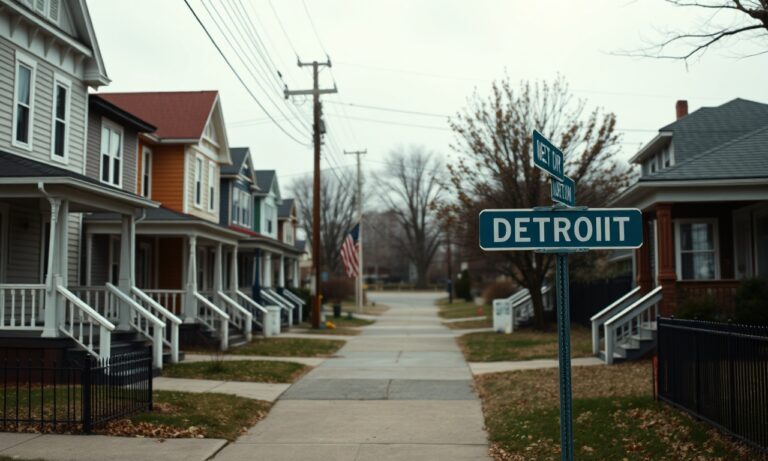
“The days of speculative cash grabs are quieting down, replaced by a more sustainable model of owner-occupants looking for long-term value,” noted local market analysts in recent housing reports. The appreciation is not uniform, however. Historic districts like Indian Village and Palmer Woods continue to see robust pricing, while emerging neighborhoods in Northwest Detroit are seeing gradual increases driven by neighborhood revitalization efforts spearheaded by both the city and private developers.
Furthermore, the appraisal gap—a long-standing issue where the cost of renovations exceeds the market value of the home—is slowly narrowing in specific zip codes. This shift is crucial for the health of the lending market, allowing more buyers to utilize traditional financing rather than relying solely on cash, which has historically barred many Detroiters from homeownership.
Impact on Detroit Residents
For local residents, the evolving Detroit housing market outlook presents a mixed bag of opportunities and hurdles. Existing homeowners are seeing their equity grow, a vital component of generational wealth that was severely damaged during the foreclosure crisis of the late 2000s. The City of Detroit’s administration has frequently cited rising property values as a key metric of success in its turnaround strategy.
However, for first-time homebuyers, the landscape is challenging. The combination of rising prices and interest rates hovering near or above 7% has reduced purchasing power. “Affordability remains the central concern for the working-class family in Detroit,” says advocates from local housing non-profits. While Detroit remains one of the most affordable major cities in America by median price, the cost of financing and necessary repairs can still price out long-time residents.
To combat this, the City of Detroit’s Housing and Revitalization Department has continued to promote down-payment assistance programs. These initiatives are designed to bridge the gap for residents who can afford a monthly mortgage payment but struggle with the upfront costs of acquisition.
Inventory and the “Move-in Ready” Premium
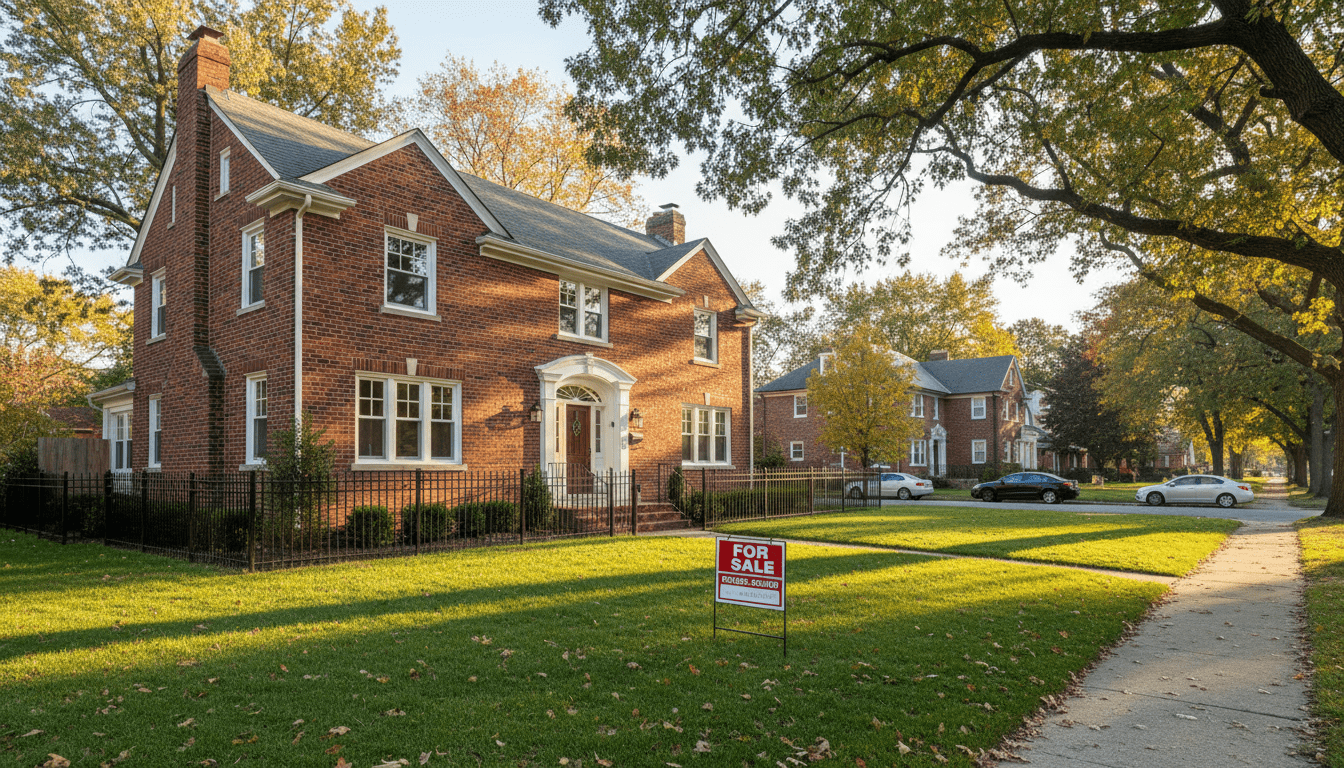
One of the most defining characteristics of the current market is the steep premium placed on renovated, move-in-ready homes. Data indicates that turnkey properties are receiving multiple offers and selling near asking price, while homes requiring significant rehabilitation are sitting on the market longer.
This trend reflects a broader economic reality: with high interest rates and construction labor shortages, buyers are wary of taking on major renovation projects. For sellers, this means that cosmetic upgrades and mechanical certifications are more valuable than ever before. Real estate professionals advise that listing a home in “as-is” condition without proper pricing strategy is resulting in stagnation.
Supply chain improvements have helped ease some renovation costs, but the labor market for skilled tradespeople in Southeast Michigan remains tight, influencing the timeline and budget for fixer-uppers.
Regulatory Factors and Future Projections
Looking ahead, policy decisions will play a massive role in the Detroit housing market outlook. One of the most discussed topics is the potential implementation of a Land Value Tax. Proponents argue that shifting taxes from building improvements to the land itself would discourage speculation on vacant lots and incentivize development, potentially lowering tax bills for homeowners. While the legislative path for this proposal is ongoing, its mere discussion is influencing how investors view long-term holding strategies in the city.
Additionally, local economic growth in sectors like electric vehicle manufacturing and tech innovation hubs in downtown Detroit is expected to bring a steady influx of workforce demand. As employment figures stabilize, the pool of qualified buyers is expected to deepen.
What to Expect in Late 2024
As the year progresses, experts from the University of Michigan’s Research Seminar in Quantitative Economics suggest a stabilizing environment. If the Federal Reserve moves to cut interest rates later in the year, Detroit could see a surge in inventory as sellers who have been “locked in” to low rates finally decide to move. This could alleviate some of the supply constraints currently keeping prices elevated.
In summary, the outlook for Detroit is one of cautious optimism. The market is normalizing after the pandemic shocks, moving toward a rhythm dictated by local economic fundamentals rather than external speculation. For the city, the continued focus remains on ensuring that this stabilization translates into accessible homeownership for Detroiters, securing the city’s future one neighborhood at a time.