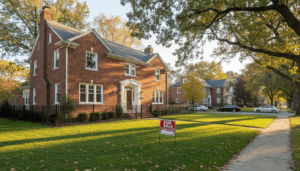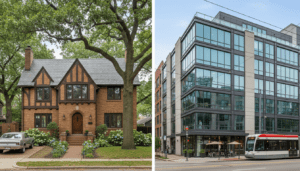
For many residents, the path to homeownership in Detroit has historically been paved with unique challenges, from appraisal gaps to complex financing structures. However, as 2024 progresses, a combination of city-led initiatives and shifting market dynamics is creating new pathways for the first-time homebuyer in Detroit to transition from renting to owning.
While national headlines often focus on high interest rates, the local narrative in Detroit is increasingly defined by accessibility programs designed to keep longtime residents in the city and build generational wealth. With the median home price in Detroit still significantly lower than the national average, the city remains one of the few metropolitan areas where homeownership is attainable for middle-income earners, provided they know where to look for support.
The Current Financial Landscape
According to recent housing data, while inventory remains tight across southeast Michigan, Detroit has seen a steady stabilization in property values. This stability is crucial for new buyers who need assurance that their investment will appreciate. However, the hurdle of the down payment remains the primary barrier to entry for many.
Data from the U.S. Census Bureau indicates that homeownership rates in Detroit have been slowly ticking upward after years of decline, a trend city officials are aggressive about maintaining. The disconnect often lies not in the monthly mortgage payment—which is frequently comparable to or lower than rent in many neighborhoods—but in the upfront capital required to close the deal.
“The biggest misconception we see is that you need 20 percent down to buy a home,” said local housing advocates speaking at a recent community development meeting. “In Detroit, the ecosystem of grants and lender credits is unlike almost anywhere else in the country, but the information gap persists.”
City-Led Down Payment Assistance
The centerpiece of the current support structure is the Detroit Down Payment Assistance Program (DPA). Administered by the City of Detroit Housing and Revitalization Department, this program has become a lifeline for the aspiring first-time homebuyer in Detroit.
The program offers qualifying residents up to $25,000 in grants to cover down payments, closing costs, and principal reduction. This is not a loan that requires monthly repayment; rather, it is forgivable over time provided the buyer maintains the home as their primary residence. To qualify, applicants generally must not have owned a home in the past three years and must meet income eligibility requirements based on household size.
According to the City of Detroit, hundreds of residents have already utilized these funds to purchase homes. The program specifically targets those who have lived in the city for at least 12 months, prioritizing locals over outside investors. This focus on residency helps stabilize neighborhoods by ensuring that the housing stock is occupied by stakeholders invested in the community’s long-term success.
The Land Bank Authority Option
Beyond traditional market listings, the Detroit Land Bank Authority (DLBA) remains a critical, albeit complex, avenue for ownership. For a first-time homebuyer in Detroit with a higher tolerance for renovation work, the DLBA inventory offers properties at price points that are virtually nonexistent in the private market.
The DLBA’s “Own It Now” auctions and standard listings provide opportunities to purchase structures for as little as $1,000, though the true cost lies in the mandatory rehabilitation. Buyers must enter into a compliance agreement, typically requiring them to bring the property up to code within six months.
While this path is rigorous, it offers distinct advantages. Specialized financing products, such as the Detroit Home Mortgage, were developed specifically to address the appraisal gaps often found in these renovation projects. These financial tools allow buyers to borrow the cost of the purchase plus the cost of renovations in a single loan, making the rehabilitation of older brick Tudors and bungalows in neighborhoods like Bagley or East English Village feasible for first-time owners.
Impact on Detroit Residents
The push for increased homeownership is about more than just filling vacant houses; it is a strategy for economic justice. For decades, Detroiters were disproportionately affected by redlining and predatory lending. The current suite of programs aims to reverse those trends by lowering the barrier to entry.
For a local family renting a three-bedroom home for $1,200 a month, purchasing a similar property could potentially lower their monthly housing expense, even with current interest rates, while simultaneously building equity. This shift from renter to owner anchors families in the city, supporting local schools and businesses. As reported in our coverage of neighborhood revitalization projects, higher rates of owner-occupancy generally correlate with improved street maintenance and community safety.
Navigating the Inspection and Closing Process
Experts advise that securing funding is only half the battle. Due to the age of Detroit’s housing stock—much of which was built prior to 1950—thorough inspections are non-negotiable.
Real estate professionals warn that deferred maintenance in older homes can lead to significant unexpected costs. Issues such as galvanized plumbing, knob-and-tube wiring, or aging roofs are common. Consequently, prospective buyers are encouraged to seek out inspectors familiar with Detroit’s specific architectural history.
Furthermore, title insurance is a critical component in the city. Given the history of tax foreclosures and quick deed transfers in certain areas, ensuring a clear title is essential to prevent legal complications down the road. Working with title companies that specialize in Detroit real estate can mitigate these risks.
Looking Ahead
As Detroit continues to develop its economic infrastructure, the window for affordable entry may narrow in the coming years. Property values in neighborhoods surrounding the core city and key corridors like the Avenue of Fashion have seen double-digit percentage increases in recent years.
For the first-time homebuyer in Detroit, the current moment represents a unique intersection of available inventory, significant government subsidies, and a market that—while competitive—is not yet as saturated as coastal cities. By leveraging city grants and understanding the nuances of the Land Bank, Detroiters have a tangible opportunity to claim a stake in the city’s future.