Three high-ranking members of the Trump administration’s cabinet are traveling to Michigan and Ohio this week, launching a coordinated effort to address one of the most pressing economic concerns for Midwest families: the soaring cost of buying a car. The visit underscores the critical importance of the industrial Midwest to the administration’s economic agenda and highlights a renewed focus on auto affordability amidst fluctuating inflation rates.
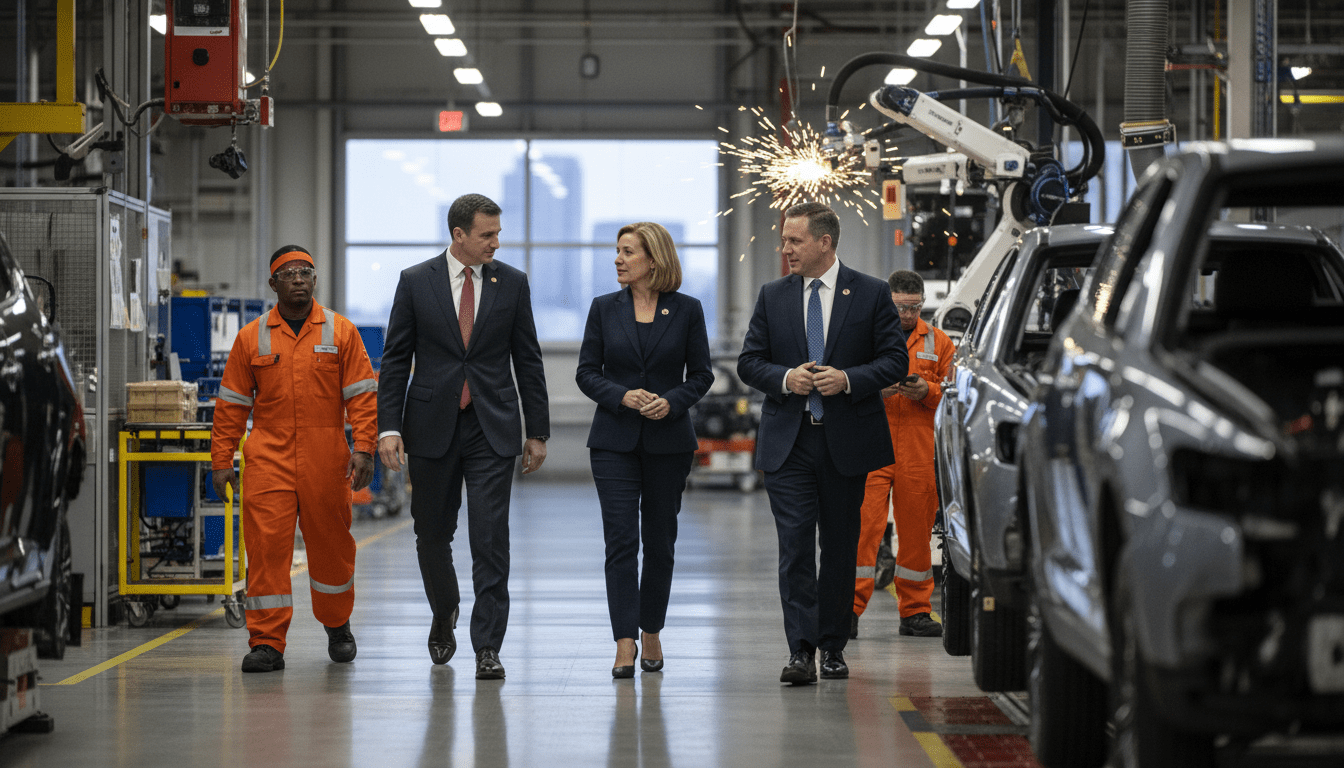
The delegation, which includes key economic and transportation advisors, is set to tour manufacturing facilities and hold roundtable discussions with industry leaders in the Detroit metro area and Toledo. Their primary goal is to outline a series of deregulatory measures and tax incentives aimed at lowering production costs for automakers—savings the administration claims will pass directly to consumers.
The Push for Auto Affordability
For decades, the auto industry has been the backbone of the Detroit economy. However, recent years have seen the average transaction price for a new vehicle skyrocket, hovering near $48,000 according to data from Cox Automotive. This price surge has priced many working-class families out of the new car market, forcing them toward aging used vehicles or predatory financing options.
During a press briefing ahead of the trip, administration officials signaled that the visit would focus on supply chain resilience and energy costs. “The goal is to remove the bureaucratic hurdles that drive up the cost of every unit rolling off the assembly line,” a spokesperson stated. “By lowering energy costs and revisiting stringent emissions mandates, we believe we can restore auto affordability for the average American family.”
The visit comes at a time when interest rates remain a hurdle for buyers. While sticker prices have stabilized slightly compared to the post-pandemic peaks, the cost of borrowing continues to strain monthly budgets. The cabinet officials are expected to discuss how fiscal policy might complement Federal Reserve actions to ease this burden.
Strategic Importance of Detroit and Ohio
The decision to send three cabinet-level officials to Michigan and Ohio is not merely economic; it is deeply political and symbolic. These states represent the heart of American manufacturing. By addressing Detroit’s auto industry outlook directly on the ground, the administration is attempting to solidify support among blue-collar workers who have felt the pinch of inflation most acutely.
Local industry analysts suggest that the administration is looking to contrast its approach with previous mandates that pushed heavily for rapid electric vehicle (EV) adoption. Critics of the rapid EV transition argue that it artificially inflated costs by forcing automakers to invest billions in new technology before the consumer market was fully ready. The administration’s pivot toward “market-driven choice” is expected to be a central theme of the town halls held in Macomb County and the suburbs of Dayton.
Impact on Detroit Residents
For the residents of Detroit, the concept of auto affordability is not an abstract economic metric; it is a daily reality. Detroit has some of the highest auto insurance rates in the country, and when combined with high monthly car payments, personal transportation becomes a massive portion of household income.
“If they can actually lower the sticker price, that helps, but we need to look at the whole picture,” said Marcus Davis, a local automotive supplier manager in Dearborn. “My workers are building cars they can’t afford to buy. If this visit results in policy that lowers the cost of materials and energy, and that actually trickles down to the dealership lot, it would be a game-changer for the local economy.”
Furthermore, reliable transportation is linked to economic mobility in the city. With limits to the reach of public transit in the sprawling metro area, a personal vehicle is often a prerequisite for holding a job. Lowering the barrier to entry for vehicle ownership could have positive ripple effects on employment trends across the region.
Industry Data and Market Context
The automotive market has faced a turbulent four years. Supply chain shortages in 2021 and 2022 led to scarce inventory and record-high markups. While inventory levels have recovered, prices have remained sticky. According to the Bureau of Labor Statistics, the consumer price index for new vehicles has leveled off, but remains significantly higher than pre-2020 levels.
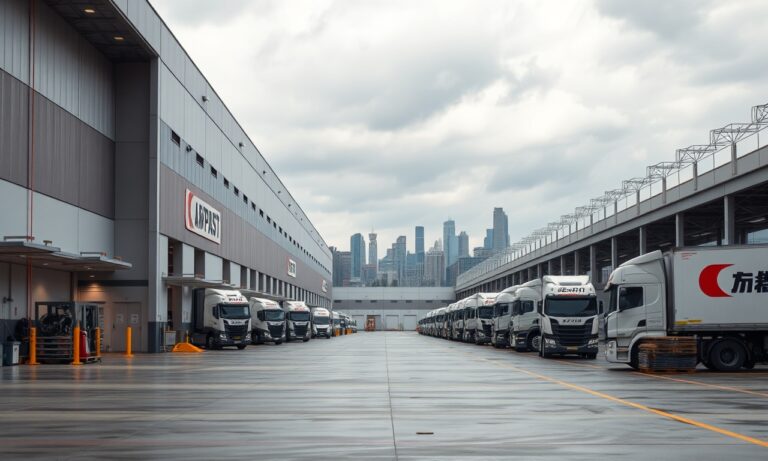
The “Detroit Three”—General Motors, Ford, and Stellantis—are currently navigating a complex landscape of labor costs following the historic UAW contracts, competition from foreign automakers, and the capital-intensive shift to electrification. The administration’s proposal likely involves using tariffs to protect domestic manufacturing while simultaneously cutting regulations to offset the higher labor costs associated with American-made vehicles.
Potential Policy Proposals
While specific executive orders have not yet been signed, insiders suggest the officials will propose:
- Regulatory Freezes: Pausing planned increases in fuel economy standards that automakers claim add thousands of dollars to the cost of a vehicle.
- Tax Incentives for Suppliers: offering tax breaks to parts manufacturers who move operations from overseas back to the Midwest.
- Energy Cost Reduction: Increasing domestic energy production to lower the overhead costs of running massive assembly plants.
What Happens Next
Following the visits to Michigan and Ohio, the cabinet officials are expected to return to Washington to draft specific policy recommendations. Industry groups, including the Alliance for Automotive Innovation, will likely be watching closely to see how these proposals align with global market trends.
For Detroiters, the immediate impact may not be felt at the dealership tomorrow, but the attention on auto affordability signals that the issue has reached the highest levels of government. As the 2025 model year vehicles begin to fill lots, the effectiveness of these proposed interventions will be tested by the ultimate arbiter: the American consumer.