For residents of the Motor City, keeping a vehicle on the road has historically been a point of pride and necessity. However, a converging storm of labor shortages, supply chain lingering effects, and inflation is making the simple act of scheduling a service appointment increasingly difficult. Detroit drivers searching for reliable Detroit auto repair services are reporting longer wait times and significantly higher bills than in previous years, a trend that is reshaping the local automotive service landscape.
According to recent data from the U.S. Bureau of Labor Statistics (BLS), the cost of motor vehicle maintenance and repair has outpaced overall inflation over the last 12 months. For Detroiters, who rely heavily on private transportation due to the city’s sprawling geography, these increases are hitting household budgets hard. Local shops, from Southwest Detroit to the Grosse Pointe border, are working overtime but struggling to keep up with demand.
The Mechanic Shortage Hitting the Motor City
The primary driver of the bottleneck is a severe shortage of skilled technicians. While Detroit is the automotive capital of the world, local service centers are finding it difficult to recruit the next generation of mechanics. Industry reports suggest that as older technicians retire, there are not enough vocational school graduates to replace them.
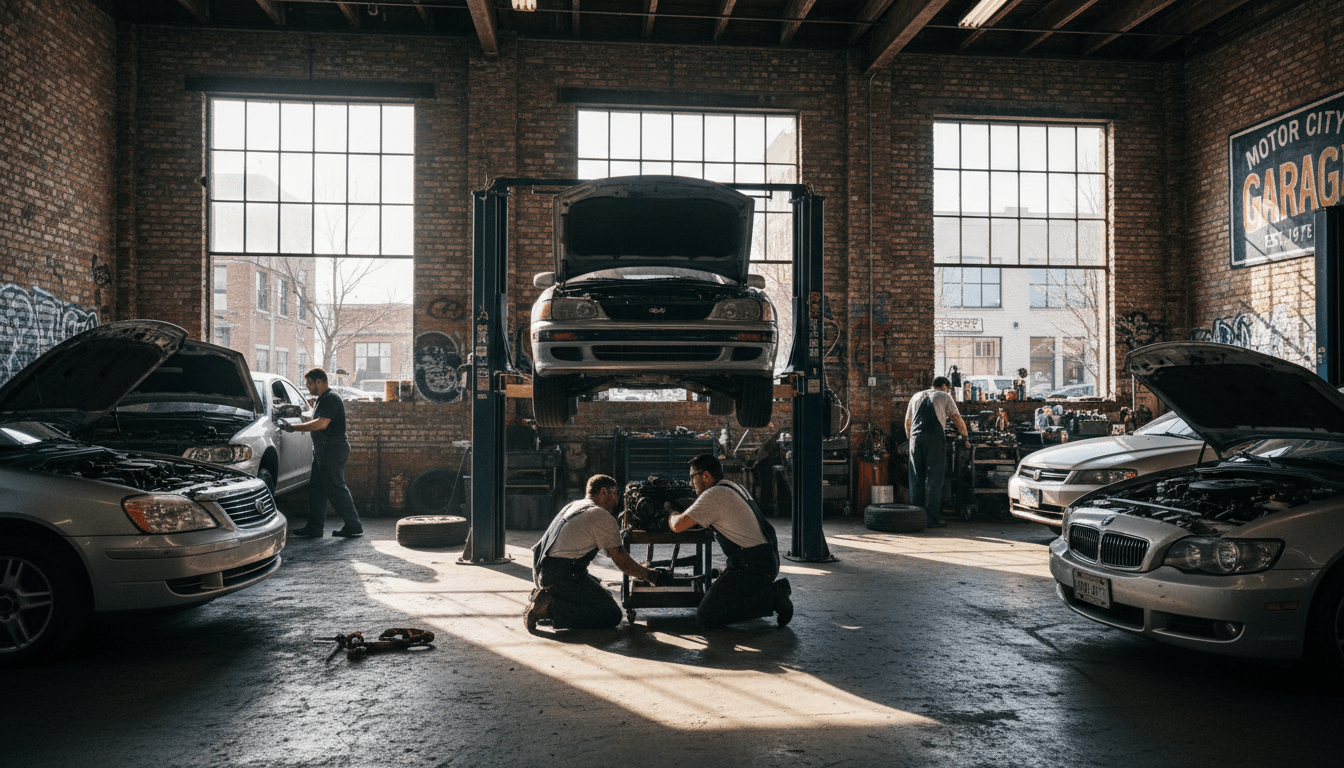
Local business owners in the automotive sector have voiced concerns about this widening gap. Managers at independent repair shops in Corktown have noted that finding technicians with the diagnostic skills required for modern vehicles is their biggest operational challenge. Without enough hands on deck, bays sit empty even when the lot is full of cars waiting for service.
This labor crunch is not unique to the city but is felt acutely here. The Detroit economy relies heavily on the automotive ecosystem, and a slowdown in service capabilities ripples through to commuters and commercial fleets alike. When a delivery van or a commuter’s sedan sits in a shop for two weeks waiting for a transmission specialist, productivity across the city takes a hit.
Impact on Detroit Residents
For the average resident, the phrase "auto repair near me" is yielding results that are physically close but logistically out of reach. Residents in neighborhoods like Brightmoor and Jefferson Chalmers report calling multiple shops only to be told the next available appointment is weeks away.
Mary Williams, a resident of Detroit’s West Side, shared that her recent experience getting a brake repair took nearly ten days. "It used to be a same-day job," she noted in a discussion about local services. "Now, you drop the car off and hope you get it back before the week is over. For families with one car, that is a major disruption."
The situation is exacerbating transportation inequality. Residents with older vehicles—which require more frequent maintenance—are disproportionately affected by the rising hourly labor rates, which have jumped to compensate for the high demand for skilled mechanics. This aligns with broader concerns regarding Detroit transportation infrastructure, where the reliance on personal vehicles remains high due to gaps in public transit options.
Rising Parts Costs and Supply Chain Hangovers
Beyond the labor shortage, the physical cost of parts remains elevated. While the global supply chain has normalized significantly since the height of the pandemic, specific components—especially electronic modules required for newer vehicles—remain volatile in price and availability.
Data from the U.S. Bureau of Labor Statistics Consumer Price Index indicates that motor vehicle parts and equipment costs have seen sustained increases. For a Detroit auto repair shop, this means quoting higher prices to customers who are already stretched thin. A simple sensor replacement that might have cost $200 three years ago can now run significantly higher, not just due to the part price, but due to the specialized labor required to program it.
Local body shops are also feeling the pressure. Following Detroit’s harsh winters, pothole damage is a common grievance. Suspension work, rim repairs, and tire replacements are standard spring rituals in Michigan. However, shop owners report that delays in getting OEM (Original Equipment Manufacturer) parts can leave cars undriveable for extended periods.
The EV Transition and Future Outlook
Looking ahead, the transition to electric vehicles (EVs) poses both an opportunity and a challenge for the Detroit auto repair industry. As the "Big Three" automakers—General Motors, Ford, and Stellantis—push toward an electric future, independent repair shops must invest heavily in new training and equipment to service high-voltage systems.
Currently, EV owners in Detroit often have fewer choices for repair, largely restricted to dealerships which may have even longer wait times than independent shops. As the fleet of aging EVs grows, the aftermarket sector will need to adapt quickly to provide accessible service options for battery health and electric motor maintenance.
Experts suggest that Detroit residents can mitigate some of these challenges by prioritizing preventative maintenance. Ignoring a “check engine” light or skipping an oil change can lead to catastrophic failures that require complex repairs—exactly the kind that are currently subject to the longest delays. Building a relationship with a local shop before an emergency happens is also recommended, as many businesses prioritize loyal customers when the schedule gets tight.
While the industry works to attract new talent through vocational programs and wage increases, the current reality for Detroit drivers is one of patience and budgeting. The days of quick, cheap repairs may be in the rearview mirror, at least for the foreseeable future, as the true cost of keeping the Motor City moving continues to rise.