For the first time since the post-pandemic pricing surge, the market for used cars in Detroit is showing signs of stabilization. However, despite a gradual cooling in sticker prices, many Detroiters are finding that total cost of ownership remains stubbornly high due to a combination of rising interest rates and the region’s notoriously high insurance premiums.
According to recent data from Cox Automotive, wholesale used vehicle prices have seen a year-over-year decline, suggesting that the supply chain disruptions that plagued the automotive industry for three years are finally easing. Yet, for residents in the Motor City, the relief at the dealership lot is often offset by the financial realities of financing and insuring a vehicle in Wayne County.
The Current State of Used Cars in Detroit
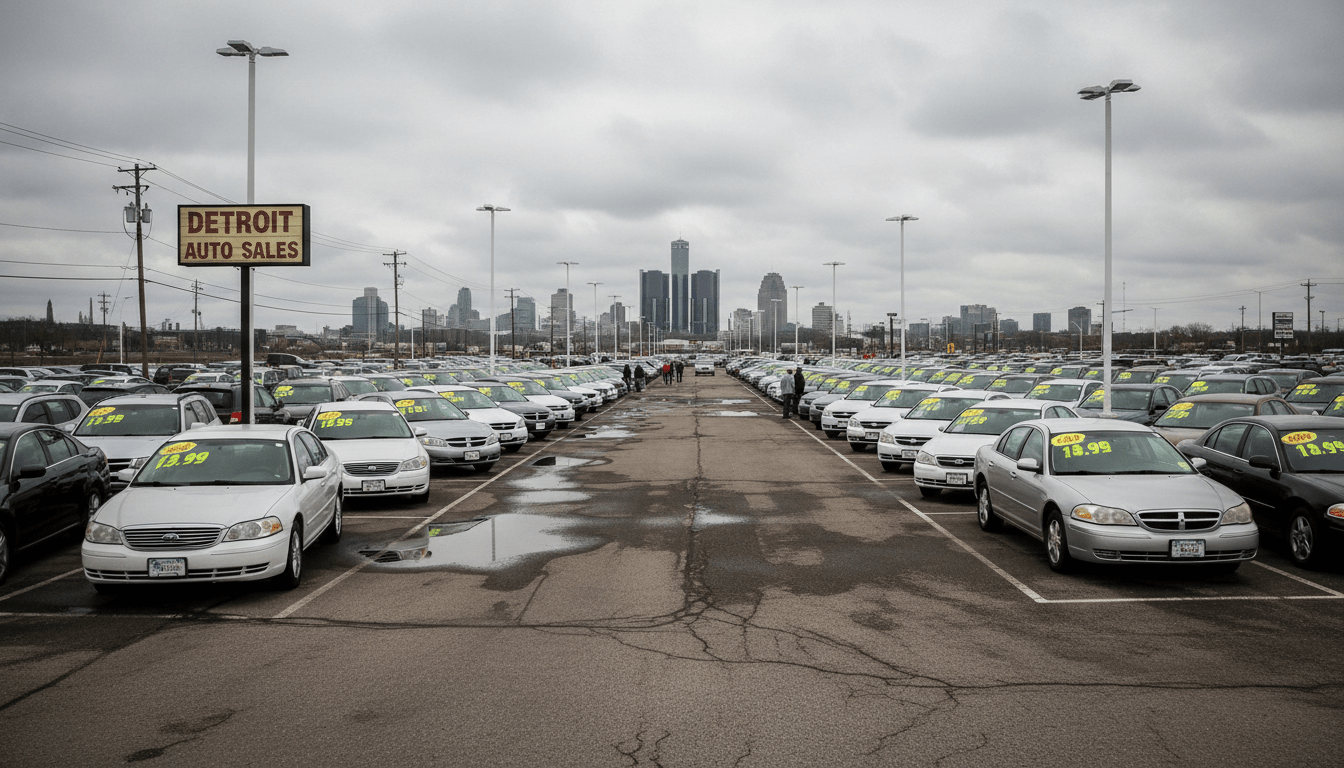
The chaotic fluctuations that defined the auto market in 2022 and 2023 appear to be leveling off. Local dealerships across Metro Detroit report that inventory levels for pre-owned vehicles are returning to near-normal levels. This availability is crucial for a city where public transportation options are limited and the majority of the workforce relies on personal vehicles to commute.
“We are seeing more inventory on the lots than we have in two years,” said a sales manager at a dealership in Dearborn, speaking on the condition of anonymity regarding sales figures. “Prices for three-to-five-year-old sedans and SUVs have dropped about 5% to 7% compared to last year. The panic buying is over, but customers are much more cautious now because of the monthly payments.”
Data from the U.S. Bureau of Labor Statistics (BLS) supports the local observation, indicating a nationwide trend where the Consumer Price Index for used cars and trucks has decreased significantly from its peak. However, economic pressures on Detroit families mean that even slightly lower prices may not be enough to stimulate robust buying at the lower end of the market.
Supply Chain Recovery vs. Interest Rates
While the supply of domestic vehicles—a staple of the used cars Detroit market due to the proximity of the Big Three automakers—has improved, the cost of borrowing money has skyrocketed. The Federal Reserve’s interest rate hikes have trickled down to auto loans, hitting subprime borrowers particularly hard.
“The sticker price is only half the battle now,” explains financial analyst Sarah Jenkins. “A used Ford Escape might cost $2,000 less than it did in 2022, but if your interest rate has doubled from 6% to 12% or more, your monthly payment is actually higher. This is the math that is keeping many Detroit residents from upgrading their aging vehicles.”
Impact on Detroit Residents and Commuters
For Detroiters, the necessity of a reliable vehicle cannot be overstated. With the city’s vast geographic spread, access to jobs often depends entirely on car ownership. The current market dynamics are creating a divide between those who can afford to buy with cash and those reliant on financing.
Residents seeking reliable transportation under the $10,000 mark are facing a “quality drought.” Vehicles in this price range often have higher mileage or require significant maintenance, a risky proposition in a region where winter road salt accelerates wear and tear.
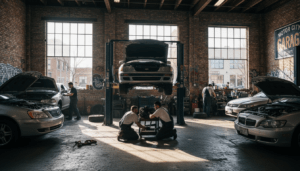
Local mechanic associations have noted an uptick in repair orders for older vehicles. “People are holding onto their cars longer,” reports a shop owner in Corktown. “Instead of trading in for a newer used car, they are putting $1,500 into a transmission repair because the cost of replacement is just too high with the current interest rates.”
The Insurance Factor: A Unique Detroit Challenge
Any discussion regarding used cars in Detroit is incomplete without addressing insurance. Detroit consistently ranks among the most expensive cities in the United States for auto insurance. This fixed cost dramatically alters the affordability equation for local buyers.
According to a 2023 analysis by the University of Michigan’s Poverty Solutions, while recent auto insurance reforms have provided some relief, premiums in Detroit remain significantly higher than the state and national averages. For a resident purchasing a used vehicle for $15,000, the annual cost of insurance can sometimes approach 20-30% of the vehicle’s value.
“You can find a decent used car, but you have to budget for the insurance before you sign the papers,” says community advocate Marcus Thorne. “We see young people buy a car they can barely afford, only to let it sit parked because they can’t legally drive it due to insurance costs. It creates a cycle of transportation insecurity.”
For more on how local infrastructure impacts vehicle longevity and costs, read our report on Detroit’s 2024 road repair initiatives.
Domestic Preference and Availability
Unlike other major metropolitan areas where imports might dominate, the Detroit used car market remains heavily skewed toward domestic brands—Ford, GM, and Stellantis. This local loyalty is driven by family discounts passed down through generations of auto workers and the availability of parts.
However, the “chip shortage” years (2020-2022) resulted in fewer new cars being leased. Consequently, three years later, there are fewer off-lease vehicles entering the used market. This specific gap in the supply chain means that 2020 and 2021 model-year vehicles are rarer and command a premium, forcing buyers to look at older model years.
Market analysts from Cox Automotive suggest that inventory levels for these specific newer used cars may remain tight through the end of the year, keeping prices elevated for “certified pre-owned” segments.
What Happens Next?
Looking ahead to the remainder of 2024, experts predict a slow but steady normalization of prices. As new car production hits stride and incentives return to the new car market, downward pressure will eventually push used car prices lower.
For Detroit buyers, the advice from consumer advocates is patience and preparation. Securing financing through local credit unions rather than dealership financing departments can often save percentage points on interest rates.
Furthermore, thorough inspections are more critical than ever. With flood damage events becoming more frequent in the Midwest, verifying a vehicle’s history is essential to avoid purchasing a car with hidden water damage.
While the fever pitch of the pandemic pricing era has broken, the market for used cars in Detroit has settled into a new normal—one where availability is up, but the barrier to entry remains high for the working class.