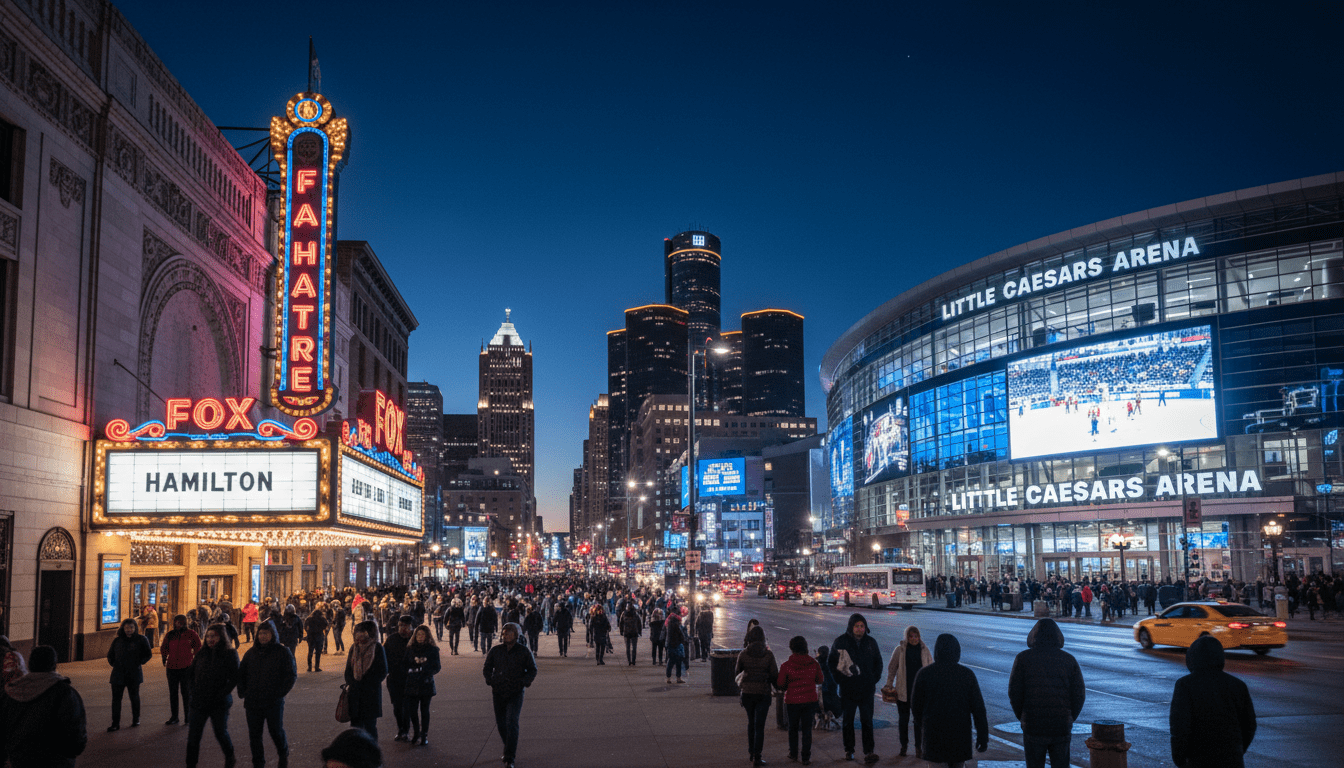
Downtown Detroit is preparing for one of its busiest entertainment periods of the year, as a convergence of national touring acts and high-profile performances floods the city’s marquee venues this month. From the historic Fox Theatre to the modern Little Caesars Arena, the sheer volume of Detroit concerts this month is projected to generate significant revenue for local businesses, testing the capacity of the city’s hospitality and transportation infrastructure.
According to projections from local tourism boards and venue operators, ticket sales for live events in the metro area have rebounded sharply, surpassing pre-pandemic levels in several key genres. This month serves as a microcosm of that recovery, featuring a diverse array of artists ranging from legacy rock bands to chart-topping pop stars and renowned symphonic orchestras. The influx of concertgoers is not just a boon for the ticket giants; it is acting as a vital economic engine for the restaurants, hotels, and parking structures surrounding The District Detroit and the Woodward corridor.
A Packed Calendar at Major Venues
The schedule for Detroit concerts this month highlights the city’s status as a must-stop destination for major North American tours. Little Caesars Arena, the centerpiece of The District Detroit, is hosting multiple arena-sized productions, drawing tens of thousands of fans into the city center on consecutive nights. Meanwhile, historic venues like the Fox Theatre and the Masonic Temple are offering a mix of comedy, theater, and intimate musical performances, ensuring that the foot traffic is distributed across various neighborhoods.
Venue operators have noted that the scheduling density this month is unusual. Typically, major tours are spread out, but logistical shifts in the touring industry have resulted in a “stacking” effect, where multiple A-list events are occurring simultaneously. For residents and visitors, this means an abundance of choice, but for city planners, it presents a logistical challenge to ensure smooth operations across the downtown grid.
Smaller, iconic clubs such as St. Andrew’s Hall and The Fillmore Detroit are also reporting robust calendars, catering to niche audiences and indie music fans. This multi-tiered activity ensures that the economic benefits of the live music resurgence are felt from the riverfront up to Midtown.
Economic Ripple Effect on Local Business
The economic impact of these events extends far beyond ticket sales. Data from the Detroit Metro Convention & Visitors Bureau suggests that for every dollar spent on a concert ticket, an additional multiplier is spent in the local economy on dining, transportation, and lodging. Restaurant owners along Woodward Avenue and in the Brush Park neighborhood have reported a surge in reservations coinciding with show nights.
General managers at several downtown dining establishments indicated that staffing levels have been adjusted to accommodate the pre-show rush. In reported statements, local hospitality leaders emphasized that concert nights often result in revenue spikes of 30% to 50% compared to non-event evenings. This revenue is critical for the stability of the downtown service industry, which relies on the steady flow of suburban and out-of-state visitors to sustain operations during the week.
Furthermore, hotel occupancy rates are tracking higher for dates aligning with major performances. Visitors traveling from Ohio, Ontario, and outstate Michigan are booking rooms, contributing to occupancy taxes that fund further city development. You can read more about how these funds support city projects in our report on Detroit’s economic recovery efforts post-2020.
Transportation and Infrastructure Adjustments
With thousands of extra vehicles expected downtown, the city’s transportation infrastructure is a key focus area. The QLine and the Detroit People Mover are anticipated to see increased ridership, providing a necessary relief valve for parking congestion. The Department of Public Works and local parking operators have coordinated to manage the flow of traffic, particularly on nights when concerts overlap with sporting events at Comerica Park or Ford Field.
Officials have advised attendees to plan ahead, utilizing ride-share apps or parking in designated peripheral lots to avoid the bottleneck near the venues. The current volume of Detroit concerts this month has reignited discussions regarding the expansion of late-night transit options to better serve the nightlife economy. For a deeper dive into upcoming transit changes, see our analysis of downtown development projects and infrastructure planning.
Cultural Significance and Community Impact
Beyond the economics, the vibrant concert schedule underscores Detroit’s enduring legacy as a music capital. The variety of genres represented this month—from Motown-inspired soul to cutting-edge electronic music—reflects the city’s rich cultural tapestry. Community leaders have pointed out that a thriving arts scene is essential for retaining young talent and improving the quality of life for residents.
Local arts organizations are also leveraging the increased foot traffic to promote smaller, community-driven events. Pop-up galleries and street performers are becoming a common sight near venue entrances, creating a festive atmosphere that enhances the visitor experience. This synergy between corporate touring acts and grassroots culture is helping to redefine the downtown experience, making it a holistic entertainment district rather than just a collection of venues.
What Happens Next
Looking ahead, the momentum generated by the slate of Detroit concerts this month shows no signs of slowing down. Industry analysts predict that the “touring boom” will continue into the next quarter, as artists continue to make up for time lost during the global hiatus of live events. For Detroit, this means a sustained period of economic opportunity.
The challenge for the city moving forward will be maintaining the balance between hosting mega-events and ensuring the livability of downtown for its growing residential population. Noise ordinances, crowd control, and waste management are all part of the ongoing dialogue between the city administration and venue promoters. However, the prevailing sentiment among business owners and city officials is one of optimism: a busy concert calendar is a loud, clear signal that Detroit remains open for business.