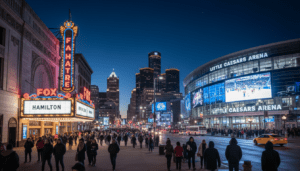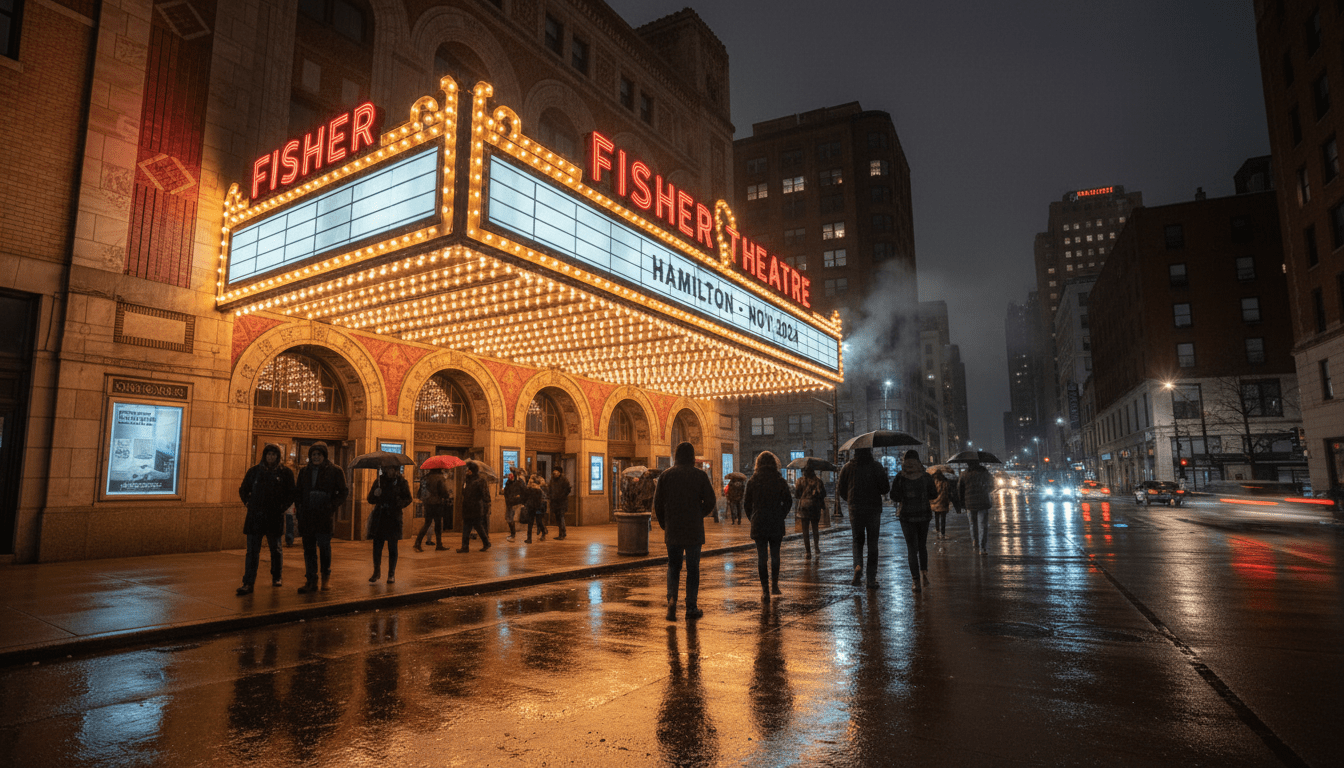
The marquee lights along Woodward Avenue and the boulevards of the New Center district are burning a little brighter this month. As the city settles into the heart of winter, Detroit theater performances in February are emerging as a critical driver of both cultural engagement and economic resilience for local businesses. From the historic stage of the Fisher Theatre to the intimate seating of the Detroit Repertory Theatre, the performing arts calendar is packed with productions that reflect the city’s rich diversity and its growing status as a premier arts destination in the Midwest.
While the summer months often claim the spotlight for outdoor festivals, February has carved out a unique niche in Detroit’s entertainment ecosystem. Anchored by Black History Month programming and the romantic draw of Valentine’s Day, theaters across the metro area are reporting robust ticket sales. This surge in attendance is not just good news for the arts; it is providing a measurable boost to the surrounding hospitality sector, which relies on the pre-show dinner rush and post-show cocktails to sustain revenue during the colder months.
A Diverse Lineup at Historic Venues
The core of the February schedule is defined by a mix of national Broadway tours and locally curated productions that speak directly to the Detroit experience. The Fisher Theatre, often referred to as Detroit’s “Broadway” home, continues to attract tens of thousands of patrons with its slate of award-winning musicals. According to data from Broadway in Detroit, the organization responsible for booking these major touring productions, winter subscriptions have remained steady, indicating a strong local appetite for high-caliber live entertainment despite inflationary pressures.
“February is traditionally a month where we see a unique intersection of audiences,” said a representative for a downtown arts promotion group. “You have the date-night crowd, but you also have schools, community groups, and families engaging with programming specifically curated for Black History Month. It creates a vibrancy in the theater district that feels very distinct from the rest of the year.”
Beyond the major commercial hits, smaller venues are offering poignant narratives. The Detroit Repertory Theatre, the oldest professional non-profit theater in Michigan, maintains its legacy of diversity-centered casting and provocative storytelling. Their February billing often highlights African American playwrights and themes, aligning with the national observance of Black History Month. Similarly, the Charles H. Wright Museum of African American History frequently partners with performing arts groups to host stage readings and live performances that contextualize historical events for modern audiences.
Impact on Detroit Residents and Economy
The ripple effect of a busy theater calendar extends well beyond the box office. For residents and business owners, the influx of theatergoers translates into tangible economic activity. Restaurants in the Foxtown, Midtown, and New Center areas report that show nights can increase revenue by upwards of 30% compared to non-show nights in the winter.
Local business owners have noted that the timing of these performances is crucial. “When there is a 7:00 PM curtain at the Fisher or the Opera House, our 5:00 PM to 6:30 PM reservation slots are fully booked weeks in advance,” shared a general manager of a bistro near the New Center area. “In February, which can be a slow month for retail and dining due to the weather, these theater performances are a lifeline.”
However, the impact is not solely financial; it is also infrastructural. The concentration of events puts a spotlight on Detroit transportation and infrastructure. With thousands of attendees converging on specific blocks, the usage of the QLine and the People Mover sees a noticeable spike. City planners have long advocated for the arts as a catalyst for transit adoption, and show nights provide the clearest data points supporting that strategy. Residents, however, occasionally cite parking congestion as a friction point, though recent initiatives to expand garage accessibility have helped alleviate some gridlock.
Background and Data: The Arts as an Economic Engine
The resurgence of the live performance sector is a key component of Detroit’s broader recovery narrative. According to reports from CultureSource, a regional arts service organization, the creative industry in Southeast Michigan contributes billions annually to the local economy. The theater sector specifically has shown resilience, bouncing back from pandemic-era closures to reach attendance levels that rival 2019 figures.
Data from national arts advocacy groups suggests that for every ticket purchased, an average of $30 to $60 is spent on ancillary services like parking, dining, and childcare. In Detroit, where the culinary scene is rapidly expanding, this multiplier effect is vital. The synergy between Detroit restaurants and local business development is nowhere more evident than in the theater districts on a Saturday night in February.
Furthermore, the demographic data suggests that the audience for Detroit theater performances in February is increasingly younger and more diverse. This shift challenges the stereotype that theater is an exclusive pastime, reflecting the city’s demographics more accurately than in decades past. Educational outreach programs funded by these major institutions ensure that Detroit Public Schools Community District students also have access to matinee performances, fostering the next generation of arts enthusiasts.
What Happens Next
As February progresses, the momentum is expected to carry into the spring season. The success of the current slate of performances serves as a barometer for the rest of the year. High turnout numbers this month will likely encourage promoters to book more ambitious runs for the summer and fall.
Looking ahead, residents can expect announcements for the upcoming season subscriptions shortly. The integration of local dining packages with theater tickets is a trend likely to grow, further cementing the bond between Detroit’s cultural institutions and its small business community. For now, the focus remains on the stage, where Detroit continues to tell its story, one act at a time.