As temperatures plummet across Southeast Michigan, the region’s public lands are undergoing their annual transformation, shifting focus from boating and picnicking to cross-country skiing, sledding, and cold-weather hiking. Local and state park authorities report that winter parks near Detroit are increasingly becoming year-round destinations, driven by a post-pandemic shift in how residents utilize outdoor spaces during the colder months.
According to data from the Michigan Department of Natural Resources (DNR), winter attendance at state parks has seen a steady baseline increase over the last five years. This trend is mirrored by the Huron-Clinton Metroparks system, which manages some of the most popular outdoor recreation areas in the Detroit metropolitan area. Officials indicate that residents are no longer viewing winter as a time of hibernation, but rather as an active season requiring maintained infrastructure.
Metroparks and State Parks Enhance Winter Access
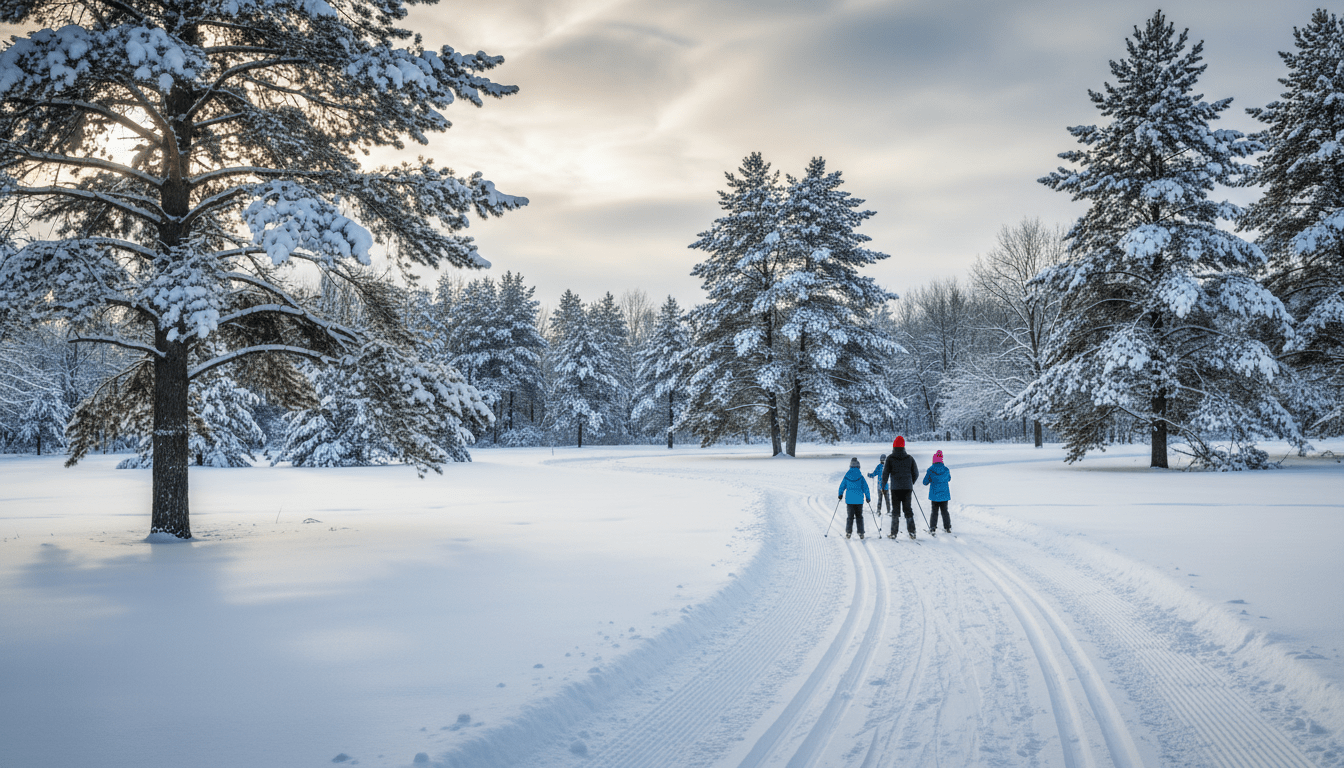
The Huron-Clinton Metroparks system, comprising 13 parks covering nearly 25,000 acres, serves as the primary outlet for winter recreation in the suburbs surrounding Detroit. Park officials have confirmed that grooming operations for cross-country ski trails remain a priority this season, weather permitting.
Kensington Metropark in Milford and Stony Creek Metropark in Shelby Township continue to serve as the flagship locations for winter sports. According to the Huron-Clinton Metroparks, specific trails are groomed for both classic and skate skiing when snow depth allows. Furthermore, the parks have maintained rental facilities to lower the barrier of entry for residents who may not own specialized winter gear.
“The accessibility of these spaces is critical,” said a spokesperson for a local outdoor advocacy group. “For many Detroiters, traveling four hours north to resort towns isn’t feasible for a weekend day trip. Having high-quality, groomed winter trails within a 45-minute drive of the city center provides an essential recreational outlet.”
In addition to the Metroparks, state-managed lands such as Maybury State Park in Northville and Bald Mountain Recreation Area in Lake Orion offer a more rugged experience. The Michigan DNR notes that while some amenities close for the season, the trail systems remain open for hiking and fat-tire biking, a sport that has seen a surge in popularity across the Midwest.
Urban Winter Spaces: The Detroit Riverfront
While suburban parks offer vast acreage, the City of Detroit has focused on activating urban green spaces to ensure residents within the city limits have access to winter recreation. The Detroit Riverfront Conservancy has continued to invest in year-round programming, most notably at Robert C. Valade Park.
Valade Park, located on the East Riverfront, features oversized outdoor fire pits, synthetic sledding hills, and winter-themed gatherings. This aligns with broader Riverfront Conservancy projects aimed at keeping the riverfront utilized 365 days a year. By providing warming sheds and scheduled entertainment, these urban parks bridge the gap for residents who may prefer a social atmosphere over solitary hiking.
Campus Martius Park in downtown Detroit also remains a focal point, though it operates more as a commercial plaza than a traditional nature park. However, its proximity to the Riverfront allows for a connected network of walkable winter spaces that is vital for the city’s pedestrian infrastructure during the snowy season.
Impact on Detroit Residents and Public Health
The availability of accessible winter parks near Detroit is more than a matter of leisure; public health experts argue it is a component of community wellness. Michigan winters are notoriously gray, contributing to high rates of Seasonal Affective Disorder (SAD) among the population.
Local health officials emphasize that access to natural light and physical activity during January and February can significantly mitigate the mental health impacts of winter. “Getting outside, even when it is cold, resets the circadian rhythm and boosts serotonin,” noted a public health bulletin released by local wellness organizations earlier this month. “Parks provide the safest and most accessible venue for this activity.”
For families, these parks offer a low-cost alternative to expensive indoor entertainment venues. With inflation impacting household budgets, the relatively low cost of a Metroparks pass or the Michigan Recreation Passport makes state and regional parks an economically viable option for weekend activities. Sledding hills, particularly those at Kensington and vernal parks in Wayne County, draw thousands of families annually, serving as a communal gathering point for diverse communities across the metro area.
Infrastructure and Maintenance Challenges
Operating these facilities in freezing conditions presents unique logistical challenges. Park management teams must balance snow removal on paved paths—crucial for accessibility and safety—with snow preservation on ski trails and sledding hills.
According to municipal reports, the variability of recent winter weather patterns, characterized by freeze-thaw cycles, complicates maintenance. When temperatures rise above freezing, snow pack degrades, leading to muddy trails that are susceptible to erosion if used heavily. Park rangers frequently issue advisories urging visitors to respect trail closures during thaw periods to protect the landscape for future use.
Furthermore, staffing remains a consideration. While summer is the peak employment season for parks, the demand for winter maintenance crews—specifically for plowing parking lots and monitoring ice conditions on lakes—requires sustained labor investment. This ongoing operational cost is funded largely through entry fees and tax millages approved by voters in surrounding counties.
What Happens Next
Looking ahead, the integration of winter-specific design in park planning appears to be a growing trend. New developments in city park renovations are increasingly considering four-season usability, such as the installation of permanent fire pits and shelter structures that can be utilized in cold weather.
As the season progresses, residents are encouraged to check official park websites for daily conditions. Ice fishing and skating on natural bodies of water are strictly monitored, and authorities warn that ice thickness can vary dangerously due to fluctuating temperatures.
With the winter season fully underway, the role of these parks has shifted from a summer luxury to a winter necessity, providing a vital connection to nature for millions of Metro Detroiters.