As winter’s chill continues to grip Southeast Michigan, a wave of vibrant color, rhythmic drumming, and cultural pride is set to warm the region. Lunar New Year celebrations in Detroit and its surrounding suburbs have grown significantly in recent years, transforming from niche community gatherings into major metro-wide events that draw thousands of residents. From the Detroit Riverfront to the bustling corridors of Madison Heights, local organizations are preparing to ring in the new lunar cycle with a blend of ancient tradition and modern community engagement.
A Growing Tradition on the Riverfront and Beyond
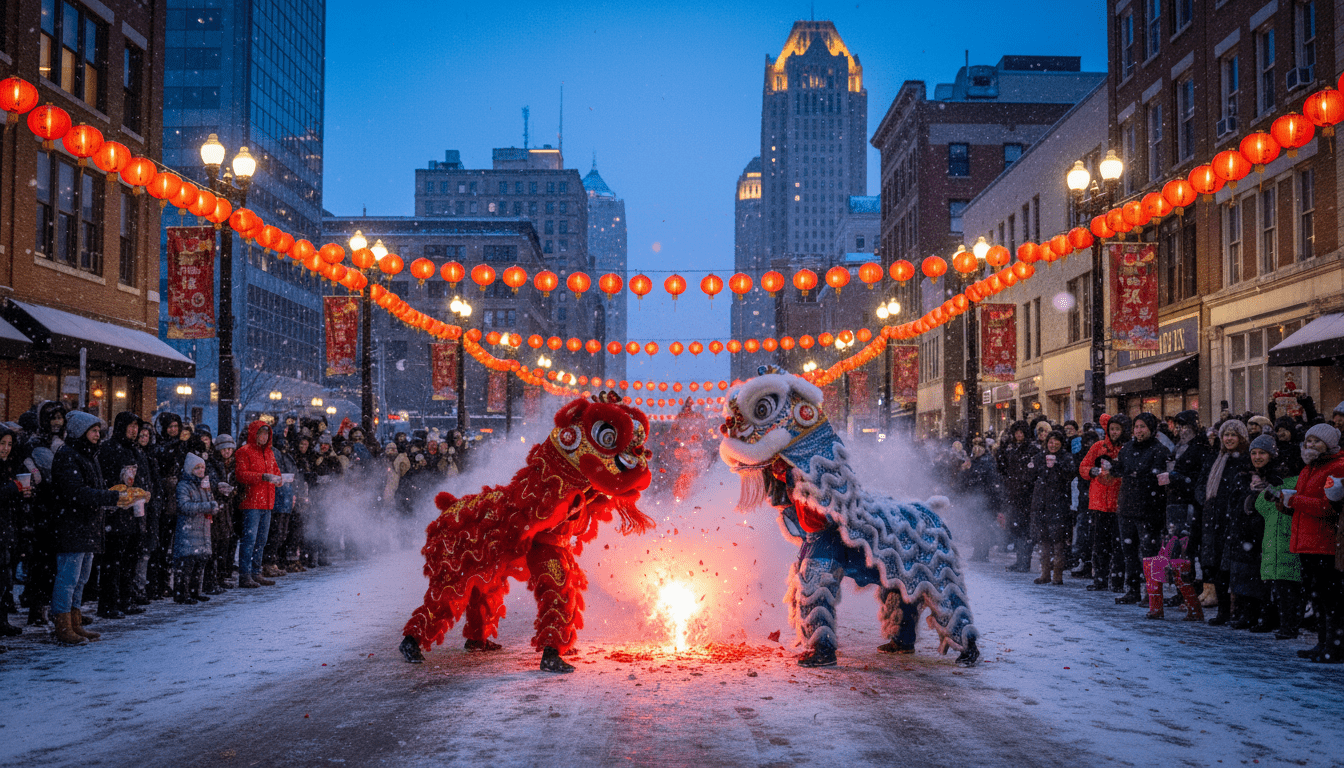
For decades, the epicenter of Asian American culture in the region was often viewed strictly through the lens of suburban enclaves. However, recent initiatives have brought high-profile festivities directly into the city center. One of the most anticipated events is the annual showcase hosted by the Detroit Riverfront Conservancy. Often featured as part of the “Winter at Valade” series, these celebrations offer Detroiters a chance to witness traditional lion dances against the backdrop of the icy Detroit River.
According to organizers at the Detroit Riverfront Conservancy, the inclusion of diverse cultural programming is a strategic effort to make the riverfront a gathering place for all communities. The events typically feature performances partnering with local groups such as the Association of Chinese Americans (ACA). These partnerships ensure that the Lunar New Year celebrations in Detroit remain authentic while becoming accessible to a broader audience who may be experiencing these traditions for the first time.
In Midtown, the Detroit Institute of Arts (DIA) continues to serve as a cultural anchor. The museum frequently collaborates with local heritage groups to host workshops, storytelling sessions, and musical performances. Representatives from the DIA have noted in past programming announcements that their goal is to highlight the rich diversity of the Asian diaspora in Michigan, moving beyond a single monolithic narrative to showcase Chinese, Korean, and Vietnamese traditions distinctively.
Community Anchors in Madison Heights and Troy
While the city of Detroit hosts flagship events, the deep roots of the holiday are visibly celebrated in the metro area’s northern suburbs. Madison Heights, often referred to as the region’s hub for Asian cuisine and commerce, sees its restaurants and community centers buzz with activity during this period. Local business owners report that the weeks surrounding the Lunar New Year are among their busiest of the year, driven by families gathering for reunion dinners—a staple of the holiday similar to a Thanksgiving feast.
The local business landscape in these corridors benefits immensely. Markets stock up on traditional items like lucky red envelopes, candied fruits, and decorative lanterns. Data from the Madison Heights Downtown Development Authority has historically highlighted the economic importance of the Asian American business community to the city’s tax base and cultural identity.
Further north, the City of Troy often hosts grand galas and community gatherings, reflecting its significant Asian American population. These events serve not just as celebrations, but as vital networking hubs for community leaders and residents.
Impact on Detroit Residents and Local Economy
The expansion of Lunar New Year celebrations in Detroit offers more than just entertainment; it provides a tangible economic and social boost to the region. For local residents, these festivals provide a bridge to understanding their neighbors. In a city often defined by a black-white racial binary, the visibility of Asian American culture helps paint a more accurate picture of Detroit’s evolving demographics.
Economically, the holiday drives traffic to small businesses during the typically slow post-holiday months of January and February. Restaurant owners along the Cass Corridor and in Southwest Detroit’s diverse neighborhoods have noted that cross-cultural interest in Lunar New Year menus brings in patrons who might otherwise stay home during the winter. This influx of spending is crucial for the Detroit economy during the colder quarter.
Furthermore, educational institutions are increasingly getting involved. Schools in the Detroit Public Schools Community District have begun incorporating Lunar New Year learning modules, allowing students to learn about the zodiac animals and the values of prosperity and longevity associated with the holiday. This educational aspect fosters a sense of global citizenship among Detroit’s youth.
Background & Demographics Data
The rise in public celebrations mirrors demographic shifts in Southeast Michigan. According to data from the U.S. Census Bureau, the Asian population in Michigan has seen steady growth over the last two decades, with significant concentrations in Oakland and Wayne counties. As these communities grow, their cultural footprint expands, necessitating larger venues and more public acknowledgement of significant holidays.
Community groups such as the Michigan Taiwanese American Organization and various Korean American associations play a pivotal role in this ecosystem. They often work in tandem with municipal governments to secure permits for parades and festivals, ensuring safety and organization. The shift from private family gatherings to public spectacles indicates a community that feels increasingly at home and integrated within the fabric of Metro Detroit.
What Happens Next
As the Lunar New Year approaches, residents can expect a schedule packed with events ranging from lantern festivals to culinary pop-ups. City officials have expressed continued support for these cultural showcases, recognizing them as essential to Detroit’s image as a welcoming, international city.
Looking ahead, organizers hope to expand the footprint of these festivities. Discussions among community leaders suggest a desire for a centralized parade route in the future, potentially rivaling other major cultural parades in the city. For now, the focus remains on unity, prosperity, and the joyous welcome of spring, regardless of the temperature outside.