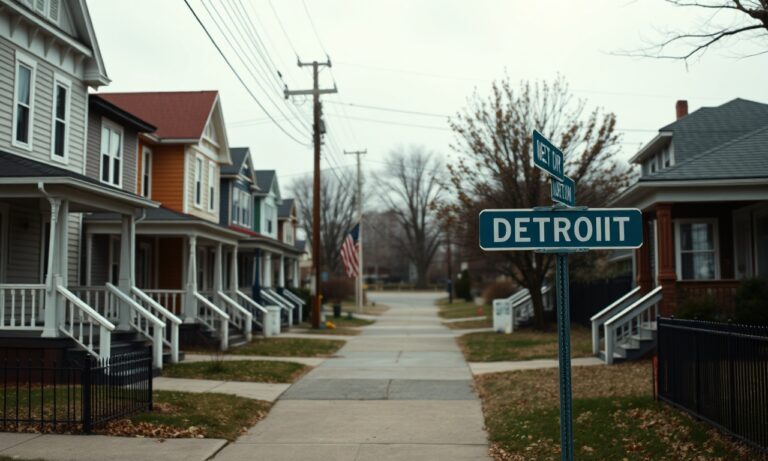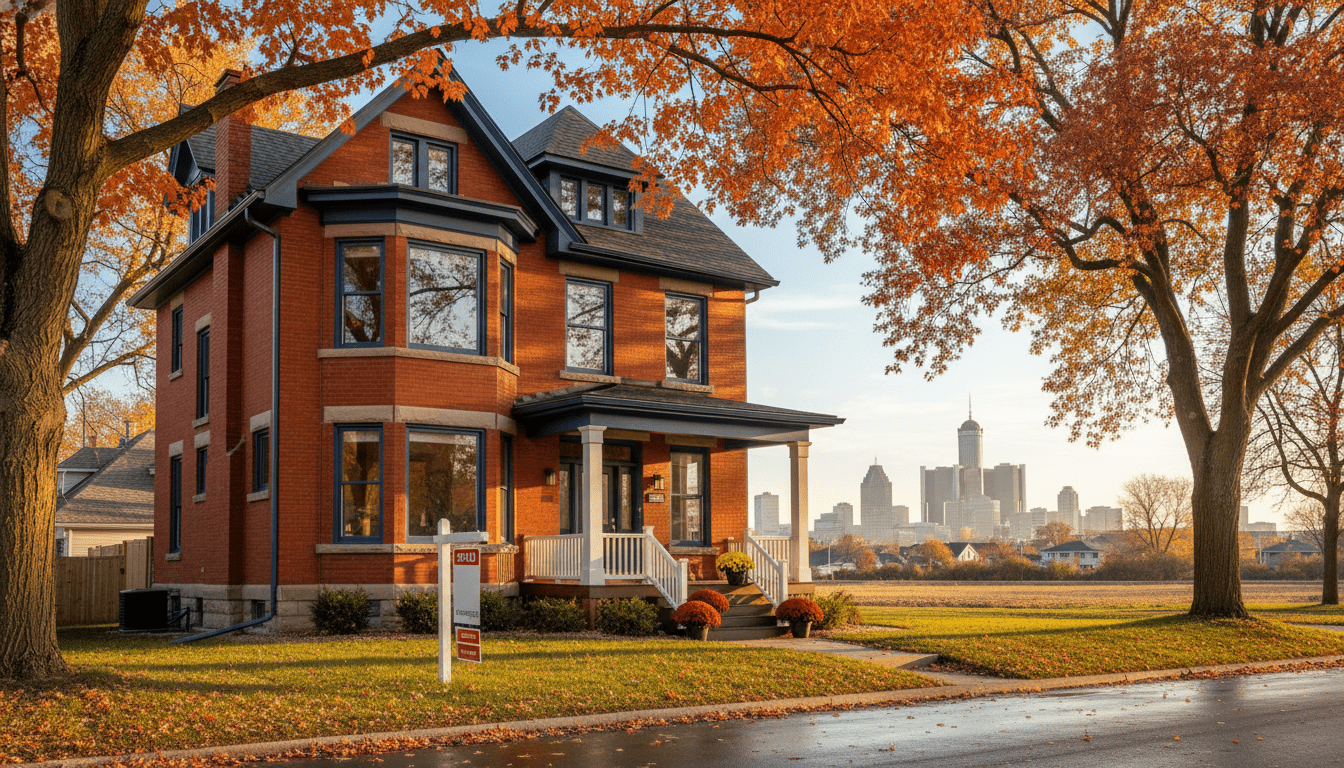
As Detroit moves further away from the volatile post-pandemic economy, real estate analysts and city planners are turning their eyes toward the horizon. The Detroit housing market has long been an outlier among major American cities, characterized by low entry costs, high property taxes, and a vast inventory of land bank properties. However, looking ahead to 2026, experts suggest the Motor City is entering a pivotal phase of stabilization and policy-driven transformation.
While 2024 and 2025 have been defined by high interest rates cooling national demand, local indicators suggest Detroit is building momentum for a unique trajectory in 2026. Projections indicate a market that may finally bridge the gap between downtown resurgence and neighborhood stability, heavily influenced by potential tax reforms and new development pipelines.
A Shift Toward Inventory Stabilization
For the past five years, the narrative of Detroit real estate has been one of scarcity in move-in-ready homes despite an abundance of vacant structures. By 2026, this dynamic is expected to shift. According to data tracked by regional housing advocates, the accelerated pace of renovations and the aggressive disposition of properties by the Detroit Land Bank Authority are projected to bring significantly more viable inventory to the market.
Economists from the University of Michigan’s Research Seminar in Quantitative Economics have often pointed to the broader regional stability required for Detroit’s growth. If mortgage rates stabilize near 5.5% to 6% by late 2025 as many federal forecasters hope, 2026 could see a release of pent-up demand. Current homeowners who have been “locked in” by low rates may finally list their properties, increasing the turnover necessary for a healthy market.
Local real estate brokers note that the definition of “desirable inventory” is expanding. Where buyers once looked exclusively at Corktown, Midtown, and West Village, 2026 trends point toward increased competition in neighborhoods like Fitzgerald, Bagley, and East English Village.
The Potential Impact of the Land Value Tax
Perhaps the most significant variable for the Detroit housing market in 2026 is the potential implementation and effects of the Land Value Tax (LVT) plan, a policy championed by the City administration. The plan aims to cut property taxes on structures while increasing taxes on vacant land to discourage speculation.
If fully realized, the ripple effects would likely be visible by 2026. By lowering the tax burden for homeowners, the monthly cost of ownership decreases, potentially increasing property values without pricing out current residents. This structural change is designed to make Detroit competitive with surrounding suburbs, a battle the city has fought for decades.
Read more about local economic policies in our coverage of Detroit’s evolving tax landscape and economic reform.
Impact on Detroit Residents
For local Detroiters, these predictions offer a mix of promise and caution. The projected appreciation in home values is a double-edged sword. For existing homeowners, particularly those who stayed through the bankruptcy era, rising values mean increased equity and generational wealth. However, for renters aspiring to buy, the window of affordability remains the primary concern.
“The challenge for 2026 isn’t just building homes, it’s ensuring that long-time Detroiters can afford to stay in them,” said a representative from a local housing non-profit during a recent community development forum. Residents should expect:
- Increased Competition: As suburban prices remain high, more first-time buyers will likely look within city limits.
- Rent Stabilization: With more multi-family units coming online in the greater downtown area, the sharp rent hikes seen in 2022-2023 are expected to level off.
- Neighborhood Investment: Strategic Neighborhood Fund areas will likely see the maturation of commercial corridors, making nearby housing more valuable.
Data and Market Trends
To understand the 2026 forecast, it is essential to look at the current trajectory of the numbers. According to recent reports from the Detroit Metro Convention & Visitors Bureau and associated economic development groups, investment in residential construction is at a multi-decade high. New development projects across the city are adding thousands of units to the pipeline.
Furthermore, Zillow and Redfin data from late 2024 shows that while Detroit home prices are rising year-over-year, they remain significantly lower than the national average. The median sale price in Detroit has seen consistent single-digit percentage growth, a trend expected to persist through 2026. Unlike the boom-and-bust cycles of coastal cities, Detroit’s growth is viewed by analysts as a “slow burn” recovery—more sustainable and less prone to a crash.
The Detroit housing market is also seeing a shift in investor behavior. The era of buying sight-unseen bulk properties for pennies is largely over. 2026 predictions suggest a market dominated by strategic renovation loans (like the Detroit 0% Home Repair Loan program) and owner-occupant buyers rather than speculative cash investors.
What to Expect Next
Looking toward 2026, the key indicators to watch will be interest rate adjustments by the Federal Reserve and the local execution of tax assessments. If the Land Value Tax proceeds and mortgage rates moderate, Detroit could see its highest volume of traditional mortgage originations in decades.
However, risks remain. Construction costs continue to be high, which can stall the rehabilitation of the city’s aging housing stock. Furthermore, the appraisal gap—where the cost to renovate exceeds the market value of the home—remains a hurdle in many neighborhoods, though that gap is steadily closing.
Ultimately, the forecast for 2026 describes a maturing market. Detroit is moving away from being a headline for distress and toward becoming a headline for resilience and opportunity. For buyers, sellers, and residents, the next two years will be critical in defining the city’s residential future.