As Detroit continues its trajectory of economic revitalization, a new wave of development is taking root across the city’s commercial corridors. Small business owners and major developers alike are increasingly capitalizing on green business opportunities, driven by a combination of municipal incentives, rising energy costs, and a consumer base that is becoming more environmentally conscious. The shift marks a significant transition in the city’s post-industrial identity, moving from the Motor City’s heavy manufacturing legacy toward a more sustainable future.
The push for eco-friendly operations is no longer just a branding exercise for niche markets; it has become a financial imperative for many Detroit enterprises. With the City of Detroit outlining aggressive goals in its Climate Strategy, local businesses are finding that reducing their environmental impact is directly linked to their long-term viability and profitability.
The Economic Drive Toward Sustainability
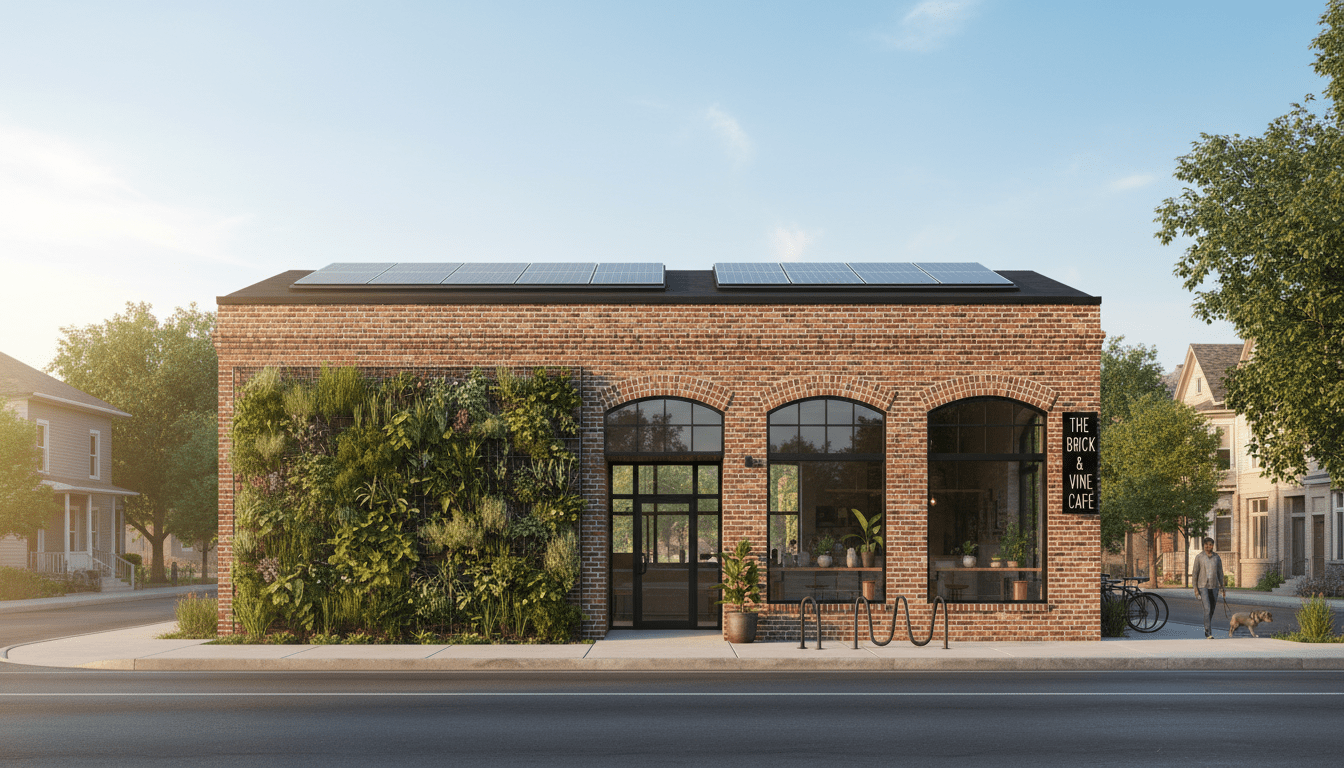
According to data from the City of Detroit’s Office of Sustainability, commercial buildings account for a significant portion of the city’s total greenhouse gas emissions. In response, recent policy initiatives have focused on retrofitting older structures—a common sight in Detroit’s historic neighborhoods—to meet modern energy efficiency standards.
The Detroit 2030 District, a private-public partnership working to reduce the carbon footprint of the city’s built environment, has reported a growing interest among property owners in reducing energy and water waste. For many local stakeholders, the motivation is twofold: lowering overhead costs and accessing new funding streams available for green initiatives.
Local financial analysts suggest that the availability of PACE (Property Assessed Clean Energy) financing has been a game-changer. This mechanism allows property owners to finance energy efficiency and renewable energy projects through a voluntary property tax assessment, solving the upfront capital barrier that often prevents small businesses from upgrading HVAC systems or installing solar panels.
Reports indicate that businesses adopting these measures are seeing utility bill reductions ranging from 20% to 30%, capital that is subsequently reinvested into staffing and inventory. This creates a cycle where sustainable business practices fuel local economic stability.
Impact on Detroit Residents
The transition toward greener business practices has tangible effects for Detroit residents beyond the abstract concept of carbon reduction. As local businesses lower their operating costs through energy efficiency, they are better positioned to weather economic fluctuations without passing costs onto consumers. This stability is crucial for maintaining the vibrancy of neighborhood commercial strips in areas like Corktown and the Avenue of Fashion.
Furthermore, the retrofit economy is generating employment. The demand for skilled tradespeople capable of installing high-efficiency windows, insulation, and solar arrays has created a niche job market. Workforce development organizations in the city have noted an uptick in training programs specifically designed to prepare Detroiters for careers in the green energy sector, ensuring that the economic benefits of this transition remain within the community.
Residents also benefit from improved environmental health. A reduction in energy consumption by the commercial sector contributes to lower aggregate emissions, which is a critical factor in addressing air quality issues in heavily industrialized zones of the city.
Background & Data: The Green Building Trend
The movement toward sustainable infrastructure in Detroit is supported by state-wide data. According to the U.S. Energy Information Administration and reports aggregated by Michigan-based environmental groups, the state has seen a steady increase in renewable energy adoption in the commercial sector over the last five years.
However, challenges remain. Much of Detroit’s commercial stock consists of buildings constructed before 1950, which often lack proper insulation and rely on outdated heating systems. Retrofitting these structures presents logistical and financial hurdles. The Detroit Climate Strategy aims to address this by prioritizing assistance for small businesses in underserved neighborhoods, acknowledging that equitable access to green business opportunities is essential for inclusive growth.
Recent surveys of Detroit consumers suggest a shift in purchasing behavior as well. A growing demographic of residents expresses a preference for supporting businesses that demonstrate a commitment to social and environmental responsibility, further incentivizing owners to adopt transparently eco-friendly practices.
What Happens Next
Looking ahead, the city is expected to roll out further guidelines regarding building performance standards. Industry experts predict that within the next decade, what are currently viewed as optional green business opportunities—such as electrification of heating systems and EV charging station installation—will become standard regulatory requirements.
For Detroit’s business community, the window to voluntarily adopt these changes and secure early-adopter incentives is open. As federal funds from the Inflation Reduction Act continue to filter down to the municipal level, the coming fiscal year is projected to see a record number of applications for sustainability grants.
The convergence of policy, finance, and consumer demand suggests that the greening of Detroit’s economy is not a temporary trend but a structural realignment. As noted in recent updates on downtown revitalization projects, developers are now treating sustainability as a core component of asset value, rather than an afterthought.