As Detroit continues its decades-long revitalization effort, the landscape of Detroit commercial real estate is undergoing a significant shift. While the downtown core has long been the primary target for institutional capital, recent market analysis suggests that successful real estate investment strategies are increasingly pivoting toward neighborhood commercial corridors. This trend marks a maturation in the local market, moving away from speculative land holding toward development projects that emphasize adaptive reuse and community integration.
According to recent reports from the Detroit Economic Growth Corporation (DEGC), there is a growing appetite for activating vacant commercial strips in areas such as the Avenue of Fashion, Southwest Detroit, and the Jefferson Chalmers district. For investors, this signals that the opportunities for high returns are no longer confined to the central business district, provided that due diligence regarding zoning and community needs is prioritized.
Shifting Strategies for Commercial Properties
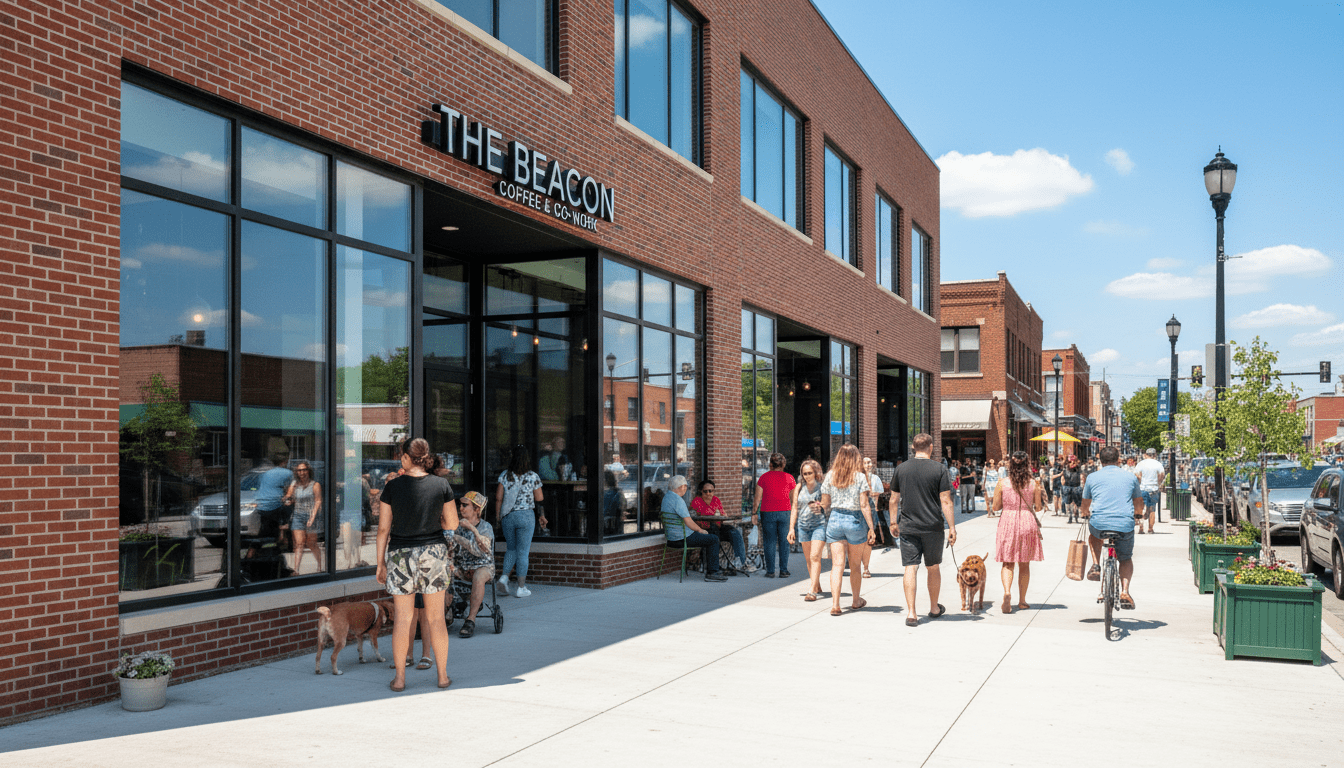
For years, the narrative surrounding commercial properties in the city focused heavily on large-scale mixed-use developments in Midtown and Downtown. However, urban planners and real estate analysts are now highlighting the potential of smaller-scale commercial hubs. Local developers have noted that successful projects in 2024 often involve renovating existing brick stock—historically significant buildings that define Detroit’s architectural character—rather than new construction.
Analysts point out that navigating the city’s regulatory environment remains a critical component for success. The City of Detroit’s Planning and Development Department has emphasized the importance of aligning projects with the specific needs of residents. This means that investors looking for investment tips are often advised to engage with local block clubs and business associations early in the process. Projects that fail to account for local context often face delays, whereas those that bring needed services—such as grocery stores, medical offices, or childcare centers—tend to receive faster municipal support.
Furthermore, the role of professional property management cannot be overstated. In a market where tenant retention is key to stabilizing cash flow, local experts suggest that hands-on management is essential. Unlike more passive markets, Detroit requires active landlord engagement to address maintenance issues promptly and ensure building security, factors that directly influence asset value over time.
Impact on Detroit Residents
The influx of capital into neighborhood commercial properties has a tangible impact on the daily lives of Detroiters. When an investor successfully revitalizes a corner storefront, it often serves as a catalyst for further blight removal on the block. Residents in areas seeing this targeted investment report increased walkability and access to amenities that were previously miles away.
“It changes the energy of the whole street,” said a representative from a local business association in the Livernois district, noting that occupied storefronts increase foot traffic and perceived safety. However, the rapid pace of real estate investment also raises concerns about affordability for long-time business owners. City officials have responded by promoting programs like Motor City Match to ensure that local entrepreneurs have the resources to lease space in these newly renovated buildings, aiming to prevent displacement while encouraging economic growth.
For more on how local developments are shaping community dynamics, read our coverage on ongoing neighborhood development updates and the latest initiatives supporting small business growth in Detroit.
Market Data and Investment Context
Data from regional real estate reports indicates a tightening market for Class A office space, pushing savvy investors toward industrial and retail sectors. The vacancy rates in revitalized neighborhood corridors have dropped steadily over the last 18 months. Meanwhile, industrial real estate investment remains robust, driven by Detroit’s proximity to logistics hubs and the Canadian border.
Despite rising interest rates nationally, Detroit’s entry price point remains lower than comparable Midwestern cities like Chicago or Minneapolis. However, construction costs have risen, squeezing margins for developers. This economic reality has made the acquisition of existing structures more attractive than ground-up builds. Financial experts monitoring the region suggest that those who succeed in this climate are not just buying property; they are investing in the operational capacity to manage complex renovations.
What Happens Next
Looking ahead, the trajectory for Detroit commercial real estate appears stable but competitive. The city is expected to continue its aggressive blight remediation efforts, which will free up land parcels and improve the aesthetic appeal of investment zones. For investors, the message from the city and market analysts is clear: the era of passive speculation is fading.
Future success will likely be defined by a blend of financial acumen and social responsibility. As the city prepares for upcoming infrastructure projects, including streetscape improvements funded by state and federal grants, commercial corridors are poised for increased activity. Investors who align their strategies with these public improvements—and who prioritize rigorous property management—are positioned to define the next chapter of Detroit’s economic recovery.