As the winter frost recedes and the city transitions into Spring 2026, a distinct economic indicator has emerged across Detroit’s diverse neighborhoods. It is not found on the trading floor or in manufacturing reports, but rather in the queues forming outside culinary establishments on Saturday and Sunday mornings. The Detroit weekend brunch scene has evolved from a casual dining trend into a significant pillar of the local hospitality economy, driving revenue for small businesses and increasing foot traffic in developing corridors.
While evening dining has traditionally been the benchmark for restaurant success, data from the first quarter of 2026 suggests a shift in consumer behavior. Residents and visitors alike are increasingly prioritizing daytime dining experiences, prompting restaurateurs from Corktown to the Avenue of Fashion to adapt their operational models. This pivot is reshaping how local businesses approach staffing, supply chains, and neighborhood engagement.
The Economics of Morning Dining
According to recent reports from the Michigan Restaurant & Lodging Association, daytime dining revenue in urban centers has outpaced pre-pandemic levels by approximately 15% in early 2026. For Detroit, this trend is particularly impactful. The lower overhead costs associated with brunch service—typically requiring fewer kitchen staff than a full dinner service and focusing on high-margin menu items—have allowed smaller venues to stabilize their finances after years of fluctuating market conditions.
“The expansion of Detroit weekend brunch hours is a direct response to consumer demand, but it is also a strategic survival mechanism for the industry,” said a representative from the Detroit Economic Growth Corporation (DEGC) in a recent press briefing. “We are seeing establishments that previously opened at 4:00 PM now opening their doors at 9:00 AM on weekends to capture this market. This shift creates daytime jobs and activates street-level retail during hours that were historically quiet in certain districts.”
This surge is not limited to the downtown core. While established heavyweights near Campus Martius continue to draw crowds, the most significant growth is occurring in residential neighborhoods. Areas like West Village and Southwest Detroit are seeing a proliferation of new Detroit brunch spots that cater specifically to walk-in local traffic rather than relying solely on suburban commuters.
Impact on Detroit Residents and Infrastructure
For local residents, the booming brunch culture brings both amenities and challenges. On one hand, the density of dining options increases the walkability and vibrancy of neighborhoods. A thriving commercial corridor often leads to improved lighting, sidewalk maintenance, and safety presence. On the other hand, the influx of traffic on Saturday and Sunday mornings has prompted discussions regarding parking enforcement and noise ordinances.
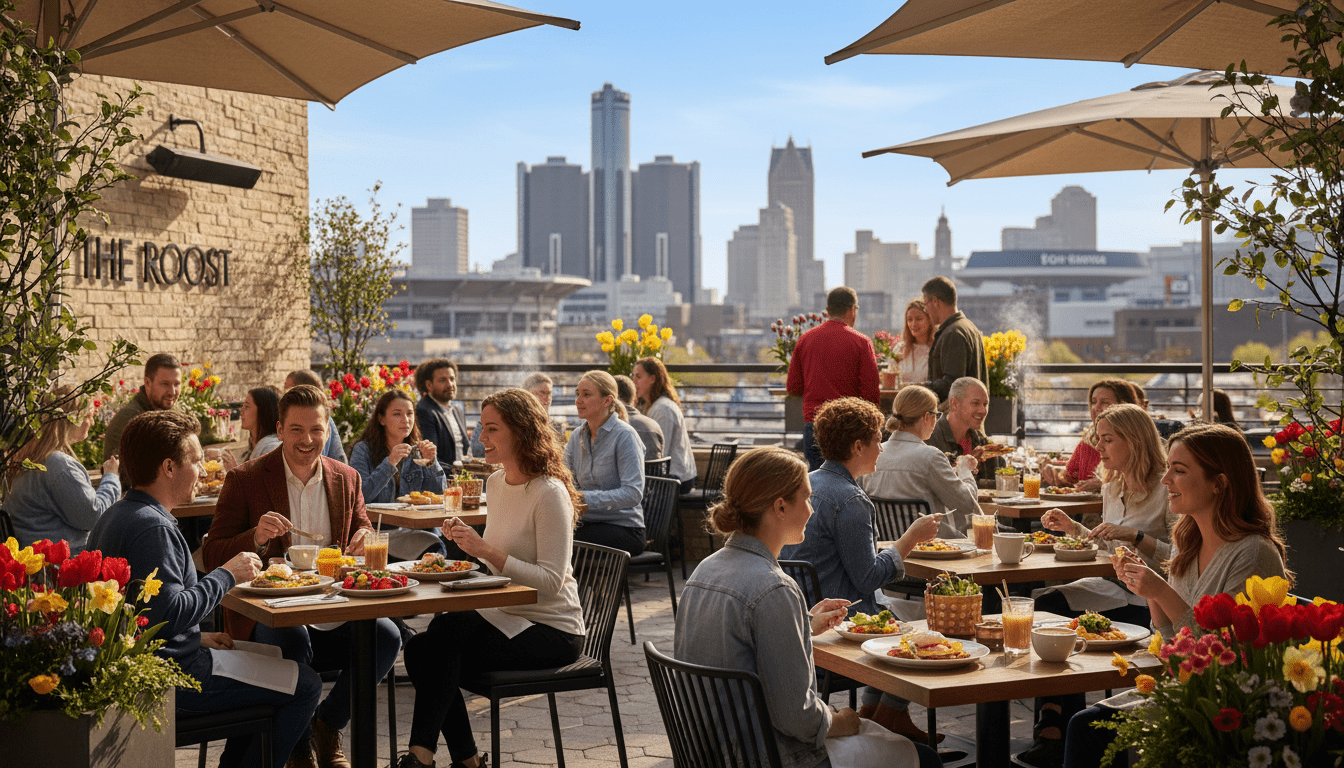
The City of Detroit has responded by piloting new zoning allowances for patio seating in Spring 2026, aiming to accommodate the demand for outdoor dining while mitigating congestion. These initiatives are part of a broader strategy discussed in our report on Detroit development projects, where urban planning is increasingly intersecting with hospitality needs.
“It changes the feel of the neighborhood,” noted a longtime resident of the Brush Park community during a local zoning meeting. “Ten years ago, you wouldn’t see this many people walking around at 11:00 AM on a Sunday. It makes the area feel safer and more connected, provided the traffic is managed correctly.”
Supply Chain and Sourcing Local
A secondary benefit of the brunch boom is the increased demand for local agricultural products. Breakfast and brunch menus heavily utilize eggs, dairy, and seasonal produce, items that Detroit chefs are increasingly sourcing from Michigan farms and urban gardens. This strengthens the regional food system, creating a circular economy where money spent on a meal stays within the state.
Shifting Trends for Spring 2026
As the weather warms, the competition among Detroit weekend brunch venues is driving innovation. The focus for 2026 has moved beyond standard menu offerings to encompass the entire experience. Operators are investing in heated outdoor spaces to extend the season and partnering with local artists to create unique atmospheres. This aligns with the continued Midtown business growth seen over the last fiscal year, where art and commerce frequently overlap.
Industry analysts predict that this spring will see a rise in “reservation-only” policies for peak brunch hours, a practice previously reserved for fine dining dinners. This shift indicates a maturation of the market, where high demand requires more structured table management to maximize turnover and profitability.
What Happens Next?
The trajectory suggests that the daytime dining sector will continue to expand through the summer of 2026. However, potential headwinds remain. Inflationary pressures on food costs, particularly for staples like eggs and coffee, could force menu prices upward, potentially dampening consumer enthusiasm. Additionally, the labor market remains tight; finding staff willing to work high-volume weekend morning shifts is a persistent challenge for operators.
Despite these hurdles, the resilience of the Detroit hospitality sector is evident. By embracing the brunch culture, the city’s restaurants have found a way to remain relevant and profitable in a changing economic landscape. For the city’s planners and residents, the challenge now lies in managing this growth sustainably to ensure that the bustling energy of a Sunday morning benefits the entire community.