As Detroit continues to reshape its identity from the traditional Motor City to a global hub for mobility and fintech innovation, industry analysts and local organizers are preparing for a landmark year. The calendar of Detroit tech events 2026 is shaping up to be one of the most robust in the city’s history, driven largely by the activation of the Michigan Central innovation district and a surge in venture capital interest within Southeast Michigan.
The convergence of automotive manufacturing and software development has created a unique niche for the region. According to data from the Detroit Regional Chamber, the tech sector in Detroit has seen steady growth over the last five years, with a particular emphasis on autonomous driving, electrification, and green technology. This momentum is expected to culminate in 2026 with a series of high-profile conferences and expanded local meetups designed to attract international talent and investors.
Major Detroit Tech Events 2026: What to Expect
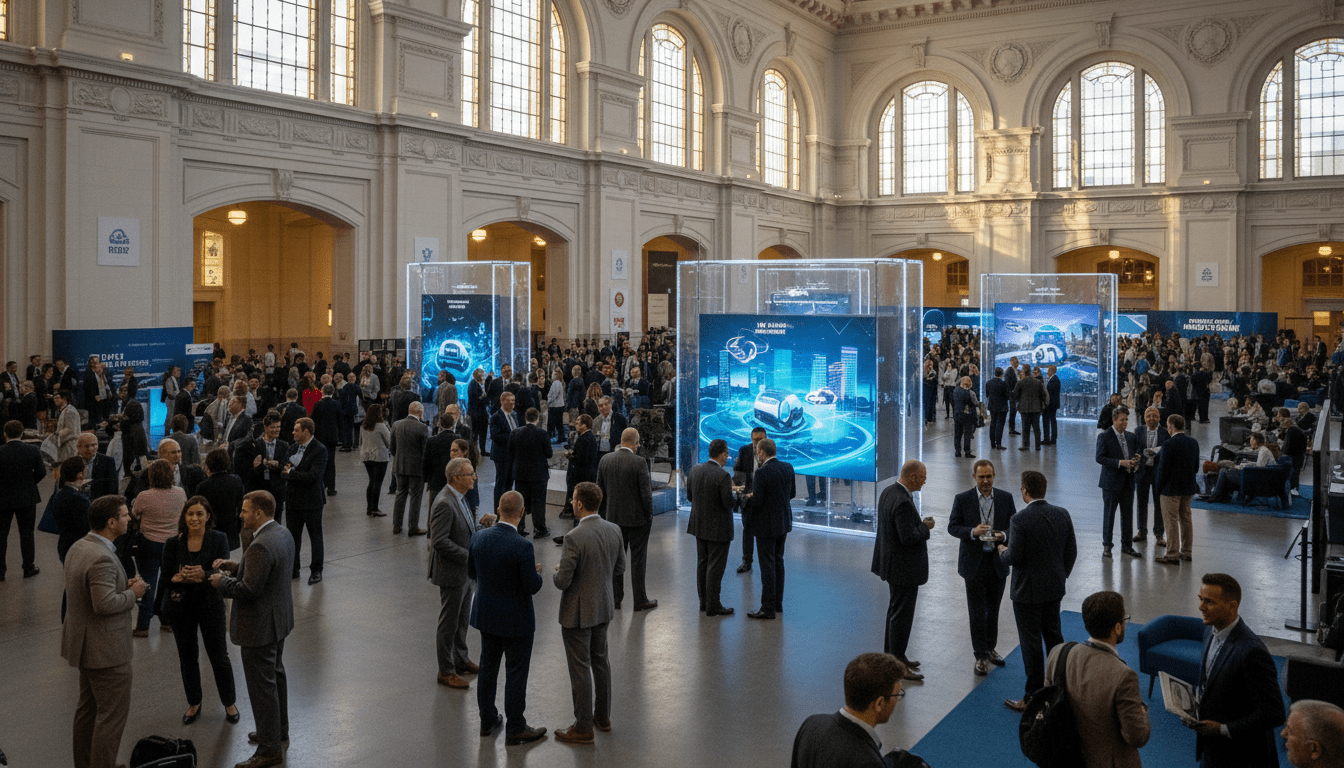
While the full slate of specific dates is still being finalized by organizers, several flagship gatherings have confirmed their strategic focus for 2026. The shift represents a broader trend where trade shows are moving away from static displays toward interactive, technology-driven experiences.
The North American International Auto Show (NAIAS), traditionally a showcase for hardware, has aggressively pivoted to brand itself as a mobility technology event. For 2026, organizers are planning expanded programming focused on software-defined vehicles and artificial intelligence, aiming to rival the scope of CES in Las Vegas for the automotive sector.
“The distinction between an auto show and a tech conference has effectively vanished,” said a spokesperson for the Detroit Auto Dealers Association in a recent press briefing. “The 2026 programming will reflect that reality, bringing software engineers and data scientists to the forefront of the conversation.”
Furthermore, the Michigan Tech Week, which has grown significantly in attendance since its inception, is projected to expand its footprint in 2026. Discussions are reportedly underway to utilize the newly renovated spaces at Michigan Central Station, providing a backdrop that bridges Detroit’s industrial past with its digital future.
The Role of Michigan Central and TechTown
The catalyst for many of these Detroit tech events 2026 is the fully operational Michigan Central district in Corktown. Ford Motor Company’s restoration of the historic train station was not merely a real estate project but an infrastructure play to anchor the tech ecosystem.
According to Michigan Central, the district is now home to over 100 startups and strategic partners. This density allows for more frequent, high-quality innovation meetups throughout the year, moving beyond annual conferences to sustain a year-round networking culture.
TechTown Detroit, the city’s longest-standing business incubator, is also adapting its programming. Reports indicate that TechTown is planning a series of quarterly summits in 2026 focused on equitable tech growth, ensuring that the digital divide is addressed as the industry scales. These smaller, community-focused events are essential for connecting early-stage entrepreneurs with the resources needed to survive the critical first years of business.
Impact on Detroit Residents
The influx of technology conferences and business tourism has a tangible economic multiplier effect for Detroit residents. Beyond the direct revenue generated for hotels, restaurants, and transportation providers, these events serve as critical networking bridges for local students and workforce participants.
Local educational institutions, including Wayne State University and the University of Detroit Mercy, are coordinating with event organizers to create pathways for students to attend these summits. The goal is to retain local talent by demonstrating that high-growth careers are available within the city limits.
“It is about accessibility,” said a representative from the Detroit Economic Growth Corporation (DEGC). “When we host major tech events downtown, we need to ensure that Detroiters—from high school coders to career-changing adults—have a seat at the table. The 2026 strategy includes mandatory community engagement components for major conference organizers receiving city incentives.”
Background & Data: The Growth Trajectory
The optimism surrounding the Detroit tech events 2026 schedule is backed by hard data regarding the region’s economic shift. A 2024 report on the Detroit job market highlighted that technology-related employment in the metro area has outpaced the national average in specific sub-sectors, particularly engineering services and logistics software.
Furthermore, venture capital activity in Detroit has shown resilience despite national headwinds. According to EntryPoint, a research firm tracking the Midwest startup ecosystem, Michigan venture capital investment has remained steady, with Detroit accounting for a significant portion of that capital deployment. This financial stability provides the confidence necessary for event organizers to book large venues like Huntington Place years in advance.
What Happens Next
As 2026 approaches, the City of Detroit and the Detroit Metro Convention & Visitors Bureau are expected to launch a coordinated marketing campaign highlighting the city as a premier destination for business innovation. Infrastructure improvements, including the expansion of downtown hotel capacity and updates to the People Mover, are currently being expedited to support the projected increase in business travelers.
For local businesses and startups, the message is clear: the ecosystem is maturing. The coming year represents a critical window for stakeholders to align their strategies with the incoming wave of industry attention, ensuring that the benefits of Detroit’s tech renaissance are felt across all neighborhoods.