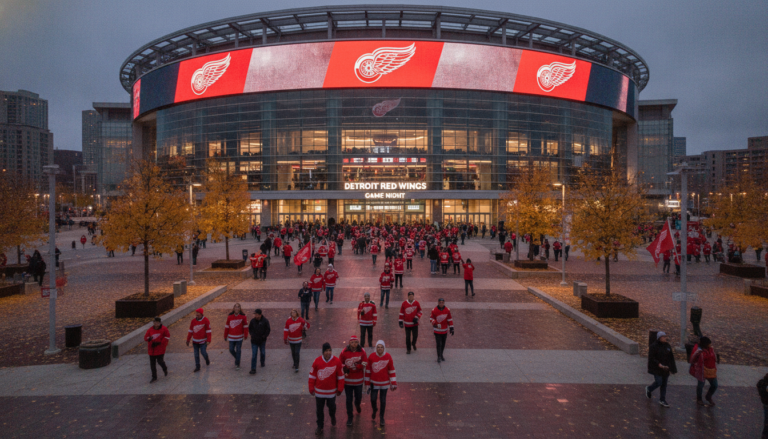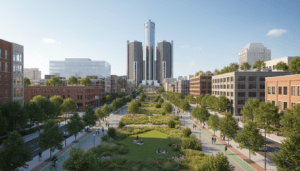
A coalition of commercial property owners and business leaders in downtown Detroit has formally proposed a new special assessment district aimed specifically at enhancing public safety and street-level security. The proposed "Downtown Detroit safety levy" would generate funds exclusively for private security patrols, advanced lighting infrastructure, and integrated camera systems across the central business district.
The proposal, submitted to the City Council’s planning committee earlier this week, comes as Detroit continues its post-pandemic economic recovery. While foot traffic has returned to near-2019 levels during major events, stakeholders argue that consistent day-to-day safety perceptions remain a barrier to attracting long-term office tenants and retail expansion.
Details of the Safety Levy Proposal
According to documents filed with the city, the levy would apply strictly to commercial properties within a defined zone centering on Woodward Avenue, extending from the riverfront to the Fisher Service Drive. Residential properties and owner-occupied single-family homes would be exempt from the assessment, a move designed to mitigate pushback from downtown residents.
The funds raised—projected to be approximately $4 million annually—would be managed by a non-profit board comprised of district property owners. The allocated budget outlines three main pillars of investment:
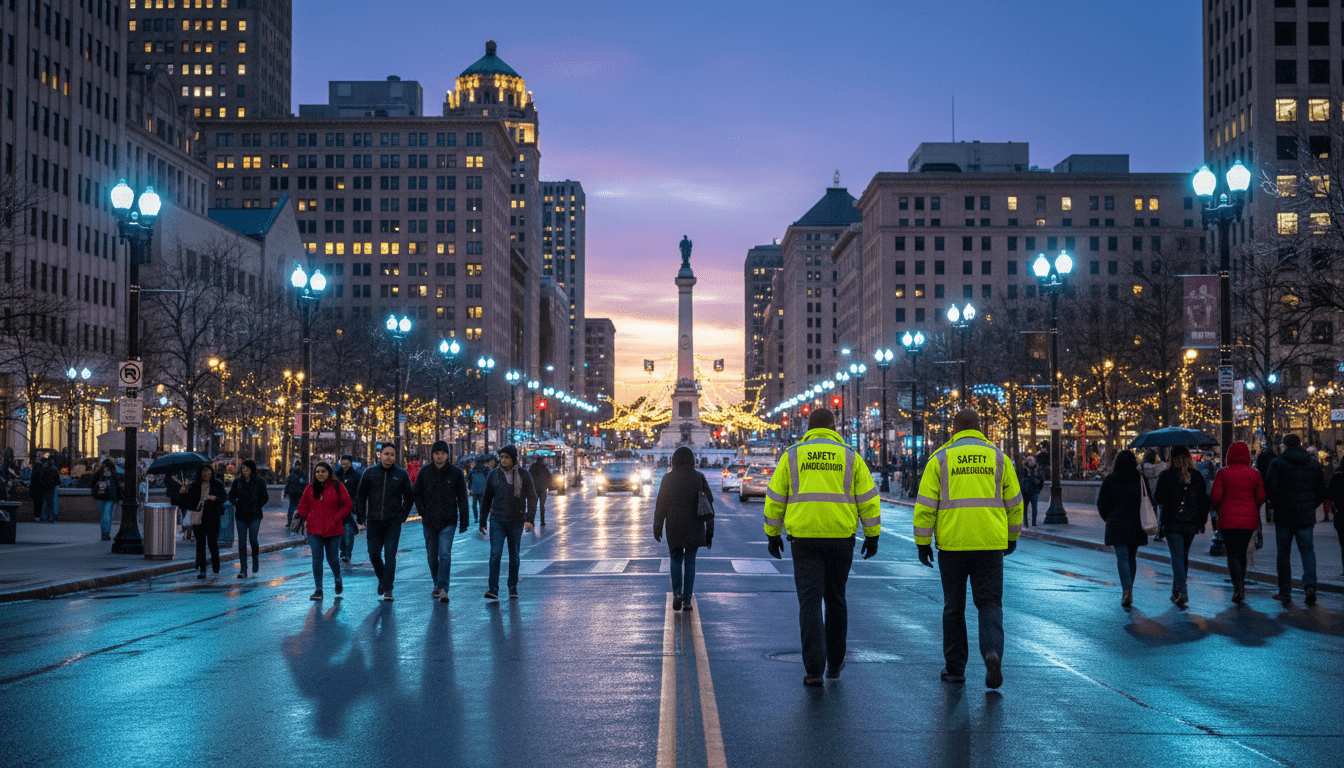
- Expanded Ambassador Programs: Increasing the number of uniformed, unarmed safety ambassadors who provide directions, escorts, and a visual presence on the streets.
- Infrastructure Upgrades: Installation of high-output LED street lighting in alleyways and secondary streets that currently suffer from low visibility.
- Technology Integration: Creating a centralized communication hub that links private security feeds with the Detroit Police Department (DPD) to improve response times for non-emergency incidents.
Business leaders involved in the drafting of the proposal stated that the goal is not to replace municipal police work, but to augment it. By handling quality-of-life issues and low-level disturbances, the private force aims to free up DPD officers to focus on more serious crimes.
Context and Economic Drivers
The push for a dedicated Downtown Detroit safety levy reflects a broader national trend where Business Improvement Zones (BIZs) are taking on more robust security roles. In Detroit, this move is seen as critical for the commercial real estate sector.
With the commercial office market facing headwinds from remote work trends, landlords are looking for differentiators. Safety and cleanliness are consistently cited as top priorities for companies deciding whether to renew leases in urban centers. By formalizing this revenue stream, downtown stakeholders hope to guarantee a baseline level of service that is immune to municipal budget fluctuations.
This initiative parallels efforts seen in other major development zones. As reported in our coverage of recent Detroit development projects, developers are increasingly pricing security infrastructure into their initial budgets. However, this new levy would standardize those efforts across existing buildings that may lack modern surveillance or lighting systems.
Impact on Detroit Residents and Local Business
For the average Detroiter visiting downtown, the immediate impact would be visible in the form of more "yellow jacket" personnel and better-lit corridors. Proponents argue this creates a more welcoming environment for families attending events at Hart Plaza or Campus Martius.
However, the proposal has sparked a debate regarding costs for small business tenants. While the levy is assessed on property owners, standard commercial lease agreements often allow landlords to pass these "Common Area Maintenance" (CAM) costs down to tenants. This could result in slightly higher operating costs for restaurants, boutiques, and coffee shops operating within the zone.
Local business owners have expressed mixed reactions. Some restaurant operators have indicated that the cost is worth the potential increase in evening foot traffic. Conversely, smaller retailers have voiced concern that they are already operating on thin margins and that safety should be fully funded by existing city taxes.
Residents living in downtown lofts and apartments, while exempt from paying the tax directly, may face indirect effects. Tenant advocacy groups have raised questions about the governance of private security forces in public spaces, emphasizing the need for strict oversight and accountability standards to ensure the patrols serve the entire community, not just property interests.
Safety Data and Trends
The proposal arrives against a backdrop of complex crime data. According to recent statistics from the Detroit Police Department, violent crime in the downtown precinct has seen reductions over the last two years. However, property crimes and perceived disorder remain points of contention.
Data from the Downtown Detroit Partnership’s annual reports typically show that perceived safety scores are high during the day but drop significantly after dark. The safety levy aims to bridge this gap, specifically targeting the hours between 8:00 PM and 4:00 AM.
Comparisons to similar programs in cities like Cleveland and Philadelphia suggest that dedicated safety levies can reduce nuisance crimes by up to 20% within the first three years of implementation, primarily through deterrence and rapid reporting.
What Happens Next?
The proposal is currently in the review phase with the City Council. Before any levy can be enacted, a petition must be signed by property owners representing at least 51% of the total assessed value within the proposed district. Following that, a series of public hearings will be required to allow residents and business owners to voice support or opposition.
If approved, the assessment would likely appear on tax bills starting in the next fiscal year. The City Council is expected to schedule a preliminary hearing on the matter next month.
For more updates on how this proposal could affect the Detroit local business environment, stay tuned to DetroitCityNews.com.