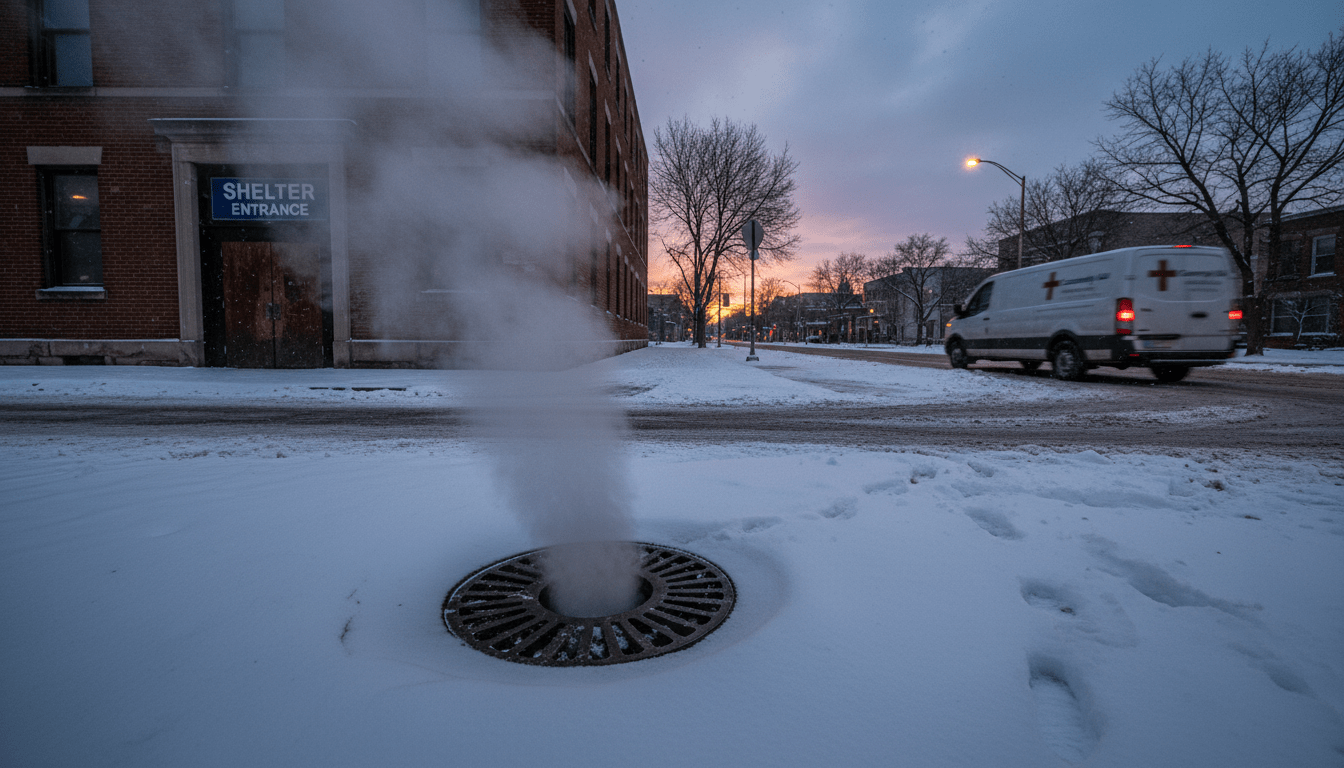
As temperatures across Southeast Michigan plunge well below freezing, the network of agencies responsible for managing homelessness in the city is sounding the alarm regarding critical capacity limits. Reports from local service providers indicate that Detroit homeless shelters are facing severe strain, with bed availability dwindling just as the demand for emergency winter protection reaches its annual peak.
The convergence of post-pandemic economic shifts, rising eviction rates, and the harsh reality of a Michigan winter has created a bottleneck in the Coordinated Access Model (CAM), the centralized system used by Detroit to connect unhoused individuals with housing resources. While the city has activated warming centers, advocates warn that the gap between temporary warming solutions and stable overnight shelter beds is widening.
Winter Shelter System Under Pressure
According to data tracked by the Homeless Action Network of Detroit (HAND), the Continuum of Care for the region, the number of individuals seeking shelter often spikes during extreme weather events. However, this year presents unique challenges as federal pandemic-era funding, which previously supported expanded shelter operations and hotel vouchers, has largely expired.
Service providers operating under the city’s housing infrastructure report that emergency shelters for single adults are operating at or near full capacity on a nightly basis. Families seeking placement face even longer wait times, a trend that mirrors national increases in family homelessness.
“The system is incredibly tight right now,” said a representative involved in local outreach coordination, speaking on the condition of anonymity regarding operational logistics. “We are seeing people who have never navigated the shelter system before showing up at intake centers. The cold is the immediate trigger, but the lack of affordable housing inventory is the underlying cause keeping beds full.”
The City of Detroit’s Housing & Revitalization Department has responded by opening seasonal warming centers at recreation centers and Detroit Public Library branches. These facilities offer respite from the cold during daytime hours, and some provide overnight seating. However, officials clarify that warming centers are designed for temporary safety, not long-term sleeping arrangements, lacking the beds and case management services found in traditional Detroit homeless shelters.
Impact on Detroit Residents
The strain on the shelter system impacts the broader community in visible and invisible ways. For unhoused residents, the lack of beds means making dangerous choices: sleeping in vehicles, abandoned structures, or staying on the streets despite the risk of hypothermia and frostbite. Medical professionals at local emergency rooms often see an uptick in cold-weather injuries when shelter capacity is reached.
For the wider Detroit population, the crisis highlights the fragility of the local housing ecosystem. Community organizations report that many of the individuals currently seeking shelter are long-time Detroiters who have been displaced due to rent hikes or eviction. This is not merely a transient population, but a segment of the city’s workforce and families who have lost their footing.
Local business owners in the downtown and Midtown corridors have also noted an increase in individuals seeking refuge in vestibules and public spaces. While some businesses have partnered with outreach teams, the situation underscores the need for comprehensive systemic solutions rather than temporary fixes.
For more context on how economic factors are driving this displacement, read our recent analysis of Detroit’s shifting housing market trends, which details the rising costs affecting low-income tenants.
Background & Data: The Funding Cliff
The current capacity crisis is exacerbated by the “funding cliff” that many municipalities are facing. During the COVID-19 pandemic, the American Rescue Plan Act (ARPA) provided significant resources that allowed cities to utilize hotels as non-congregate shelters. This not only reduced the spread of the virus but also added necessary capacity to the system.
As these funds have been exhausted, the system has contracted back to pre-pandemic levels, even as the cost of living has increased. Data from the U.S. Department of Housing and Urban Development (HUD) Annual Homeless Assessment Report typically shows that shelter inventory is a primary constraint in addressing unsheltered homelessness.
In Detroit, the eviction landscape plays a major role. Following the end of the eviction moratorium, court filings for evictions have steadily risen. According to tracking data from the University of Michigan’s Poverty Solutions, eviction filing rates in Detroit have historically been among the highest in the nation. When tenants lose their homes in winter, they enter a shelter system that is already struggling to move current residents into permanent housing due to a lack of affordable units.
This creates a “revolving door” effect where shelters cannot discharge people to permanent housing fast enough to free up beds for new arrivals coming in from the cold. For further reading on city infrastructure impacting these services, see our report on Detroit’s latest municipal budget allocations.
City and Community Response
In response to the freeze, the City of Detroit has emphasized the availability of specific warming locations. These include facilities like the Farwell Recreation Center and the Patton Recreation Center, which often activate extended hours during “Code Blue” weather emergencies. The city urges residents to call the CAM access line (313-305-0311) as the first step for anyone needing placement.
Non-profit partners are also stepping up. Organizations like the Neighborhood Service Organization (NSO) and the Detroit Rescue Mission Ministries continue to operate essential services, though they rely heavily on donations of winter gear—coats, boots, and blankets—from the public to support those they cannot immediately house.
A recent report by the Detroit Free Press highlighted that while the city is aggressively pursuing affordable housing developments, the construction timeline for new units often lags behind the immediate urgency of a winter freeze. This temporal gap is where the current crisis resides.
What Happens Next
Meteorologists predict continued volatility in temperatures this season, suggesting the pressure on Detroit homeless shelters will not abate soon. The long-term solution remains a “Housing First” approach—prioritizing permanent housing without preconditions—but this requires available inventory that is attainable for residents making minimum wage.
In the short term, city officials are monitoring capacity daily. If temperatures drop to life-threatening lows for extended periods, the city has historically utilized emergency powers to open additional makeshift shelters in municipal buildings. Advocacy groups are currently lobbying for more emergency funding from the state legislature to bridge the gap left by federal cuts.
Residents who see someone in immediate distress due to the cold are encouraged to contact local outreach teams or emergency services, as the risk of exposure is critical during these winter months.