Detroit is currently undergoing a transformative period in its hospitality and tourism sectors, with projections for 2026 suggesting the city is on the verge of a historic peak in visitor engagement. Following the record-breaking success of the 2024 NFL Draft, which brought hundreds of thousands of visitors to the downtown core, city officials and economic development agencies are now pivoting toward a long-term strategy aimed at sustaining this momentum through the middle of the decade. The shift in Detroit tourism trends 2026 reflects a move away from seasonal event-based spikes toward a year-round, neighborhood-centric travel economy.
The Hotel Boom and Infrastructure Readiness
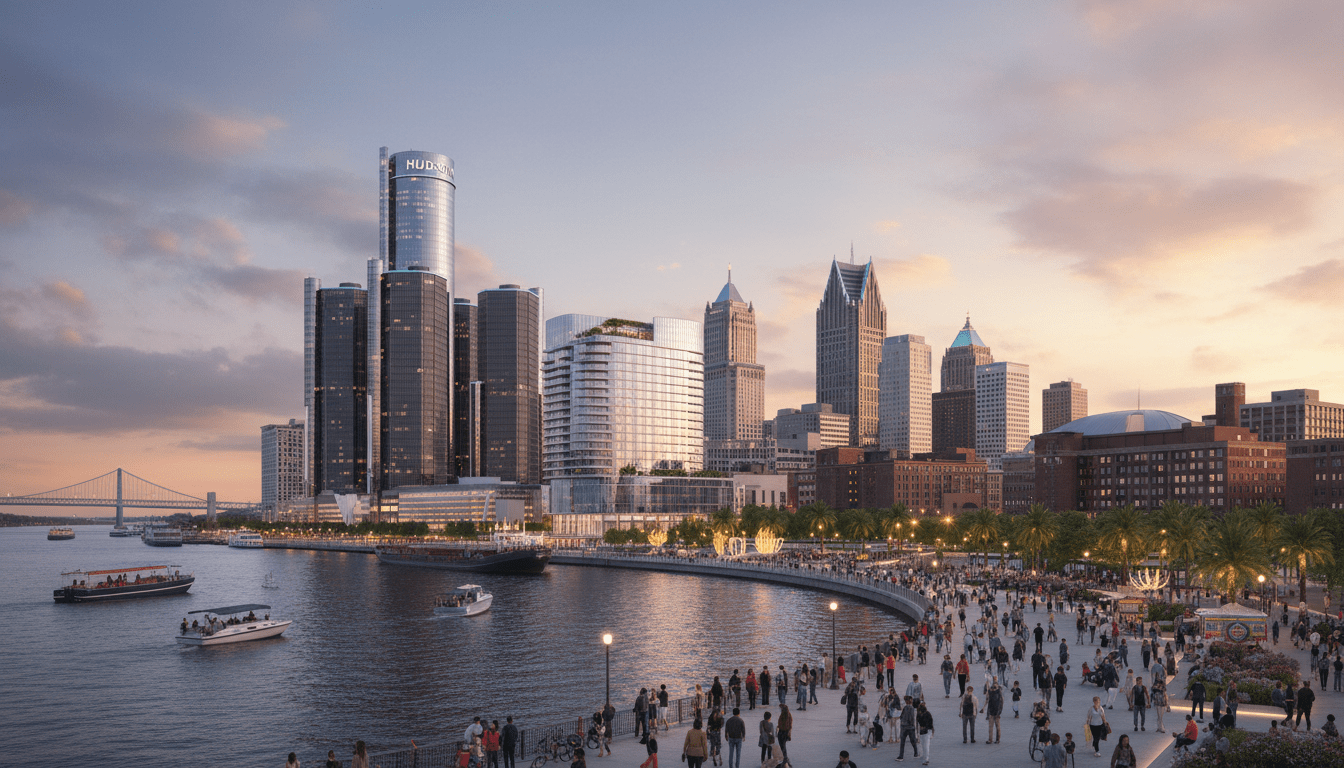
Central to the outlook for Detroit tourism in 2026 is the significant expansion of the city’s lodging capacity. According to data from the City of Detroit Planning and Development Department, several high-profile hotel projects are slated for completion within the next 18 to 24 months. The most notable among these is the hotel at the Hudson’s site development, a project by Bedrock that is expected to redefine the city’s skyline and luxury accommodations. Additionally, the new Water Square hotel, located on the site of the former Joe Louis Arena, is expected to provide much-needed room inventory for large-scale conventions.
Claude Molinari, president and CEO of Visit Detroit, has previously noted that the city’s ability to attract international conventions hinges on this increase in hotel density. Industry analysts suggest that by 2026, Detroit will have added over 1,500 premium hotel rooms to its downtown inventory, a factor that is directly influencing Detroit tourism trends 2026. This capacity increase allows the city to compete with regional rivals like Chicago and Indianapolis for high-revenue trade shows and international sporting events.
Impact on Detroit Residents
While the influx of visitors brings significant revenue to the municipal coffers, the impact on local residents is a primary focus for community advocates. The expansion of tourism-related businesses is expected to generate thousands of service-sector jobs. However, the City of Detroit is working to ensure these opportunities extend beyond entry-level positions. Current initiatives focus on training residents for management roles within the burgeoning hospitality industry.
Furthermore, the 2026 tourism strategy includes a heavy emphasis on the Joe Louis Greenway, a 27.5-mile loop that connects Detroit neighborhoods to the riverfront. As more tourists look for outdoor and authentic urban experiences, the Greenway is expected to direct foot traffic into residential areas that have historically been overlooked by traditional travel guides. For residents, this means potential increases in property values and localized infrastructure improvements, such as better lighting and paved walkways. However, some community leaders have expressed concerns regarding the rising costs of living in areas adjacent to new tourist hubs, a topic frequently discussed in our reports on Detroit housing trends.
Expanding the Detroit Travel Guide: Beyond Downtown
The traditional Detroit travel guide is evolving. While the Detroit Institute of Arts and the Motown Museum remain staple attractions, 2026 is expected to see a rise in “micro-tourism.” This trend involves visitors seeking out specific cultural experiences in neighborhoods like North End, Avenue of Fashion, and Southwest Detroit. The city’s investment in the Strategic Neighborhood Fund has already begun to revitalize commercial corridors, making them more accessible to out-of-towners looking for authentic local dining and retail.
According to the Michigan Economic Development Corporation (MEDC), there has been a 15% year-over-year increase in inquiries regarding heritage tourism in Detroit. Visitors are increasingly interested in the city’s labor history, its role in the Underground Railroad, and its musical legacy beyond the Motown era, including the birth of Techno. This diversification of the tourism portfolio is a key component of the Detroit tourism trends 2026, ensuring that the economic benefits of travel are distributed more equitably across the city’s 139 square miles.
Background & Data: The Economic Forecast
Data from the U.S. Census Bureau and local economic trackers suggest that tourism is becoming a pillar of Detroit’s post-industrial economy. In 2023, tourism in the metro Detroit area contributed over $9 billion in total economic impact. Projections for 2026 suggest this figure could eclipse $11 billion, spurred by a combination of increased international travel and a robust domestic market interested in urban exploration. The city’s transportation infrastructure will be a critical variable in this growth, with planned expansions to the QLine and improved bus connectivity between the airport and the city center.
According to reports from the Detroit Economic Growth Corporation (DEGC), the city is also seeing a rise in “bleisure” travel—professionals who extend their business trips for leisure purposes. This demographic is particularly attracted to Detroit’s unique mix of historic architecture and modern innovation hubs. As more companies establish a presence in the Michigan Central innovation district in Corktown, the demand for high-quality tourism infrastructure in that area is expected to surge by 2026.
Challenges and What Happens Next
Despite the optimistic outlook, challenges remain. Public safety perceptions and the need for a more cohesive regional transit system are often cited as hurdles to maximizing Detroit’s tourism potential. External sources like the The Detroit News have highlighted the ongoing debates regarding the allocation of tax incentives for downtown developments versus neighborhood services.
Looking ahead to 2026, the City of Detroit intends to launch a new marketing campaign focused on sustainability and “responsible tourism.” This initiative aims to educate visitors on supporting local minority-owned businesses and respecting the residential nature of the neighborhoods they visit. As the city prepares for its next chapter, the focus remains on creating a tourism model that is both economically lucrative and socially responsible. The coming years will determine if Detroit can successfully transition from a “comeback city” to a global destination that remains deeply rooted in its local identity.