As Detroit moves closer to the mid-point of the decade, the city’s residential real estate landscape is undergoing a fundamental shift. Gone are the days when Detroit was defined solely by surplus inventory and rock-bottom valuations. By 2026, analysts and city officials expect a market defined by strategic density, stabilized appreciation, and a heightened focus on middle-income affordability. Current trajectories suggest that the Detroit housing prices 2026 outlook remains positive, though the market faces headwinds regarding interest rates and construction costs.
The Trajectory of Detroit Housing Prices 2026
According to projections from the Southeast Michigan Council of Governments (SEMCOG), the region is seeing a steady migration back toward urban centers, with Detroit’s core and surrounding neighborhoods benefiting most directly. Data suggests that while the rapid double-digit percentage gains seen in the early 2020s have moderated, a consistent 3% to 5% annual appreciation is expected to hold through 2026. This would place the median sales price in desirable neighborhoods significantly higher than the previous decade’s averages.
City officials note that the increase in Detroit housing prices 2026 is not merely a result of inflation but a reflection of improved infrastructure and services. The City of Detroit Planning and Development Department has highlighted that the rehabilitation of over 15,000 vacant homes has reached a tipping point, turning former liabilities into tax-paying assets. This stabilization of the tax base allows for better municipal services, which in turn supports higher property values.
Buying House Detroit: Changing Dynamics for Residents
For those considering buying house Detroit in the current climate, the process has become increasingly competitive. Real estate professionals in the city observe that the window for finding “undiscovered” deals is closing. The focus has shifted from speculative investment to long-term residency, particularly in neighborhoods like Bagely, Jefferson-Chalmers, and the North End.
A recent report by the University of Michigan’s Poverty Solutions initiative indicates that homeownership remains a primary vehicle for wealth building in the city. However, the report also warns that as prices rise, the barrier to entry for first-time buyers increases. To counter this, the City of Detroit continues to expand its Down Payment Assistance Program, which has already helped hundreds of residents secure homes. Prospective buyers in 2026 will likely need to be more prepared, with pre-approvals and higher credit scores becoming standard requirements in what was once a cash-dominant market.
Detroit Real Estate Forecast: The Role of New Construction
The Detroit real estate forecast for 2026 is heavily influenced by the volume of new multi-family and mixed-use developments reaching completion. Projects in the Greater Corktown area, fueled by the Ford Michigan Central innovation district, are expected to add thousands of new units to the city’s inventory by late 2025 and early 2026. This influx of supply is critical to tempering price spikes and providing options for the growing workforce in the tech and green energy sectors.
Internal reporting from DetroitCityNews.com/economy suggests that commercial-to-residential conversions are also playing a larger role in the 2026 outlook. Older office buildings in the Financial District are being repurposed into high-end lofts, catering to a demographic that desires a walkable, urban lifestyle. This trend is expected to sustain demand for retail and grocery services in the downtown core, further boosting the surrounding residential appeal.
Impact on Detroit Residents
While rising property values are a boon for existing homeowners, they present a dual-edged sword for long-term renters. The impact on local residents is a central theme in the city’s 2026 strategic plan. Local community organizations, such as the United Community Housing Coalition, have voiced concerns regarding property tax increases that often accompany rising home values. In response, the city has implemented programs like the Homeowners Property Tax Assistance Program (HPTAP) to protect legacy residents from displacement.
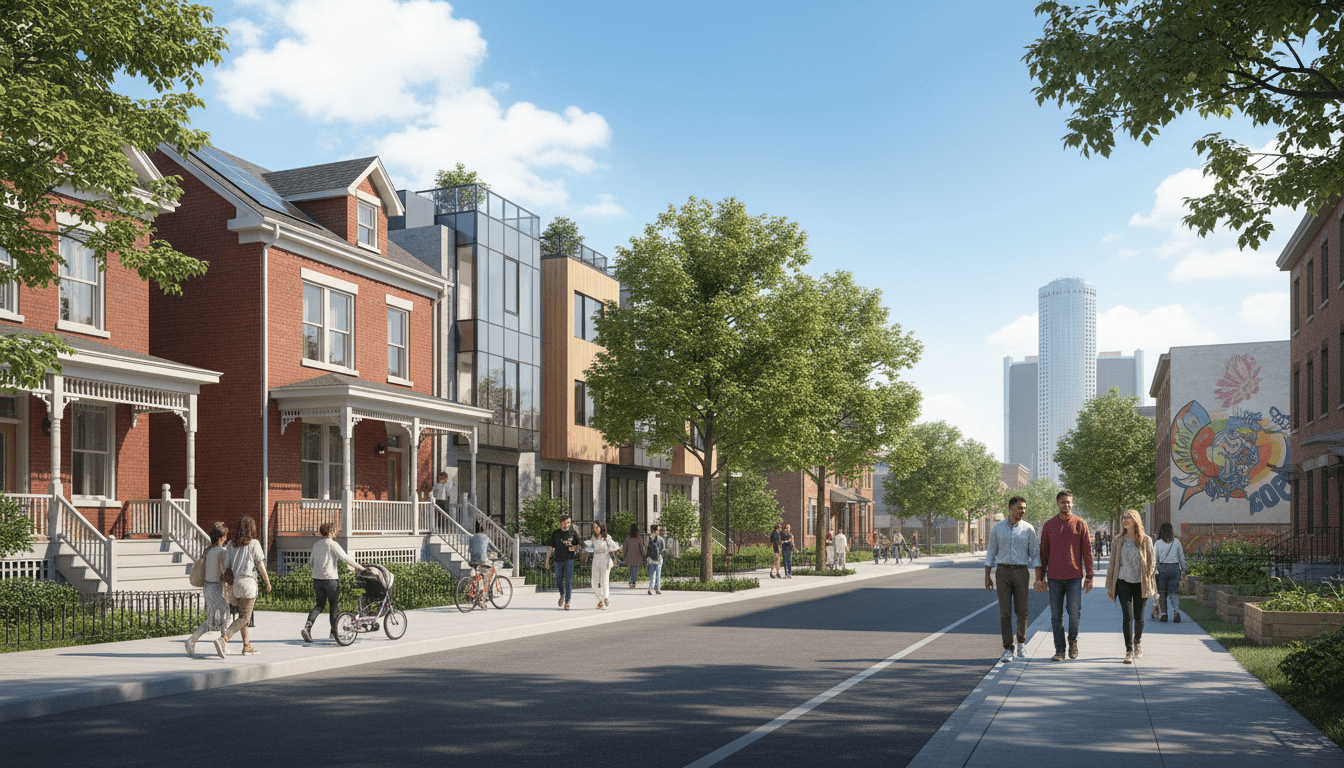
Furthermore, the shift in the market is driving a new era of neighborhood-specific development. Residents in areas like the Livernois-McNichols corridor (Live6) have seen a resurgence of local businesses accompanying the residential growth. The impact here is social as much as it is economic, with improved safety and vibrant community spaces becoming the new standard for Detroit neighborhoods.
Background & Data: What the Numbers Show
Historical data from the U.S. Census Bureau and the Detroit Regional Chamber show a steady increase in the number of households with annual incomes above $50,000 within city limits. This demographic shift is a primary driver for the Detroit real estate forecast. As higher-earning individuals choose to live within the city rather than the suburbs, the demand for high-quality housing stock continues to outpace supply.
According to the Michigan State Housing Development Authority (MSHDA), the demand for affordable housing also remains at an all-time high. By 2026, the city aims to have preserved or created over 10,000 units of affordable housing to ensure that the revitalization of the market does not exclude those who stayed in the city during its most difficult years. These efforts are tracked closely by local journalists at DetroitCityNews.com/neighborhoods.
What Happens Next: The Road to 2027
Looking past 2026, the Detroit housing market is expected to enter a phase of “predictable maturity.” Investors are moving away from the high-risk, high-reward flips of the past decade in favor of stable, cash-flowing rental properties and long-term equity growth. For the average Detroiter, this means a more traditional real estate environment where homeownership is a reachable, albeit competitive, goal.
The city’s ability to maintain this momentum will depend on continued investment in transit and public education. If Detroit can continue to bridge the gap between its booming downtown and its residential neighborhoods, the 2026 housing trends will likely serve as a blueprint for other post-industrial cities across the American Midwest.