The Detroit Public Schools Community District (DPSCD) is entering a pivotal phase of its long-term revitalization strategy, focusing on a multi-million dollar facility overhaul and aggressive literacy targets. As the 2024-2025 academic year progresses, district leaders are balancing the end of federal pandemic relief funds with a commitment to maintaining the momentum seen in recent standardized testing scores.
The $700 Million Facility Master Plan
Central to the latest Detroit school news is the implementation of the district’s 20-year Facility Master Plan. According to official reports from the DPSCD Board of Education, the district has allocated approximately $700 million toward capital improvements. These funds, largely bolstered by the American Rescue Plan Act (ARPA) and internal capital shifts, are being utilized to address decades of deferred maintenance.
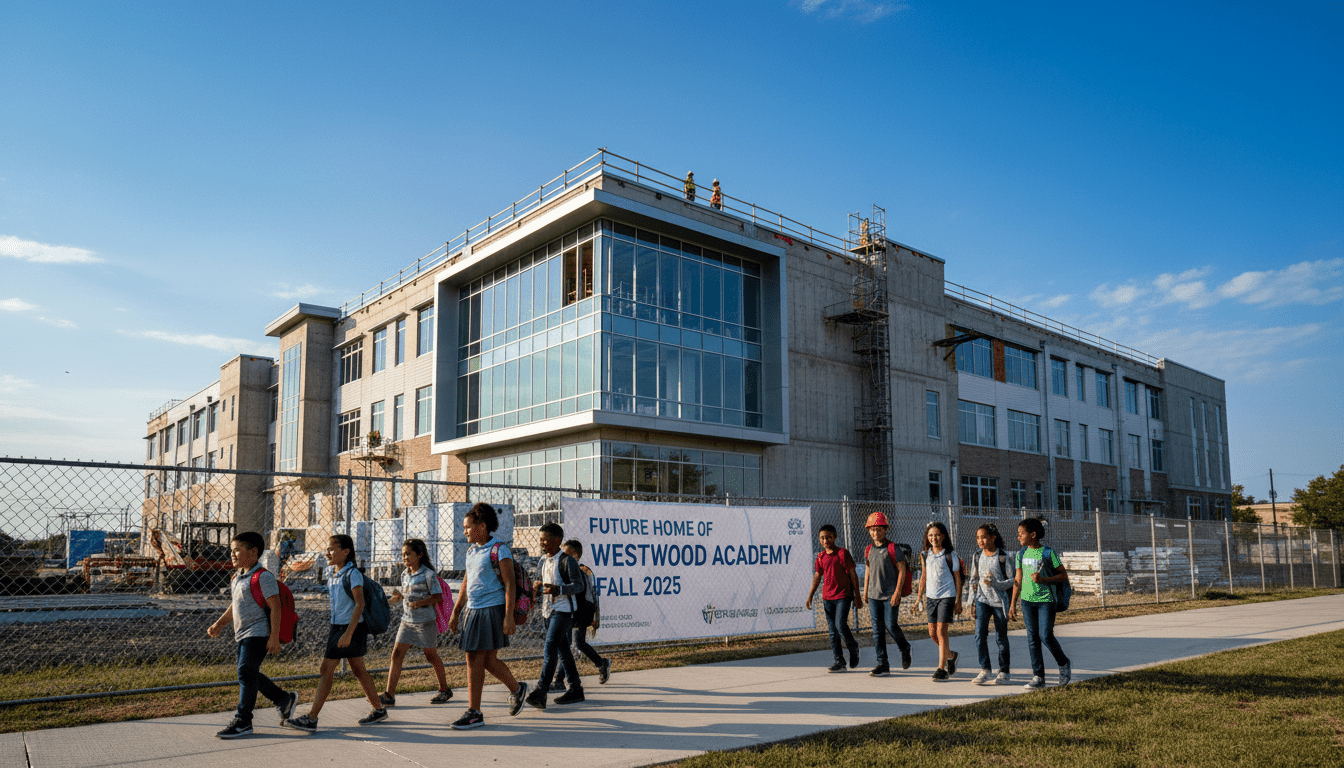
Superintendent Nikolai Vitti has frequently emphasized that the physical environment of a school is directly tied to student performance. The current phase of the plan includes the construction of five new school buildings and extensive renovations at several historic sites, such as Northern High School and Mumford. By modernizing HVAC systems, roofing, and classroom technology, the district aims to reduce the operational costs associated with aging infrastructure.
Academic Progress and Literacy Initiatives
On the academic front, DPSCD updates highlight a cautious but optimistic trend in literacy rates. Data from the Michigan Department of Education (MDE) indicates that while Detroit students still face significant hurdles, there has been a measurable uptick in M-STEP English Language Arts (ELA) proficiency compared to the immediate post-pandemic lows. The district has implemented a “Science of Reading” curriculum across all elementary schools, a move that aligns with statewide efforts to improve third-grade reading levels.
Reports from the district’s academic office suggest that small-group tutoring and extended learning day programs have been instrumental in these gains. However, administrators acknowledge that the sunsetting of federal COVID-19 relief funds poses a challenge for maintaining the current ratio of academic interventionists. The district is currently evaluating how to absorb these roles into the general fund or secure alternative grant funding through the Michigan Department of Education.
Impact on Detroit Residents
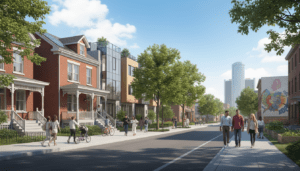
For families within the Detroit education system, these changes represent more than just administrative shifting. The modernization of school buildings often serves as a catalyst for neighborhood development. When a local school receives a significant upgrade, it often increases the stability of the surrounding residential blocks, influencing everything from property values to community safety.
Parents have expressed a need for more transparent communication regarding school consolidations. As part of the facility plan, some underutilized buildings may be closed or repurposed. Local residents are encouraged to attend board meetings to provide feedback on how these facilities can best serve the community, whether as workforce development centers or recreational spaces. The impact on daily life is significant, as school locations dictate transportation needs and childcare arrangements for thousands of Detroit households.
Background and Enrollment Data
The financial health of the district remains closely tied to enrollment figures. Data from the U.S. Census Bureau and recent district audits show that while the rate of decline in enrollment has slowed, the competition with charter schools remains high. Currently, DPSCD serves approximately 48,000 students, a number that has stabilized over the last three years. This stabilization is crucial because Michigan’s per-pupil foundation allowance is the primary source of operational revenue for the district.
In a recent session, the Board of Education discussed the necessity of increasing the “market share” of Detroit students. By improving the quality of specialized programs—such as the Detroit School of Arts and various Montessori options—the district hopes to attract families who might otherwise look toward suburban districts or private institutions. This strategy is also linked to the city budget updates, as a stronger school system reduces the economic drain caused by population loss.
Addressing Chronic Absenteeism
One of the most persistent hurdles within the Detroit school news landscape is the issue of chronic absenteeism. District data shows that while attendance has improved since 2021, nearly 60% of students were still classified as chronically absent during the last full academic cycle. This is defined as missing 10% or more of the school year.
The district has responded by launching the “Every School Day Counts” campaign and deploying attendance agents to conduct home visits. These agents work to identify the root causes of absences, which often include transportation barriers, health issues, or housing instability. By addressing these social determinants of education, the district aims to ensure that the investments made in curriculum and facilities actually reach the students.
What Happens Next
Looking ahead, the Detroit Public Schools Community District will face a rigorous budget cycle as it adjusts to the post-ARPA fiscal reality. The Board of Education is expected to vote on the final allocations for the next phase of facility renovations by the end of the current quarter. Meanwhile, educators are preparing for the next round of state assessments, which will serve as a litmus test for the effectiveness of the new literacy programs.
Community members can stay updated by attending the monthly Board of Education meetings, typically held at the Fisher Building. As Detroit continues its broader economic recovery, the success of its public school system remains the most critical factor in ensuring long-term prosperity for the city’s youth.