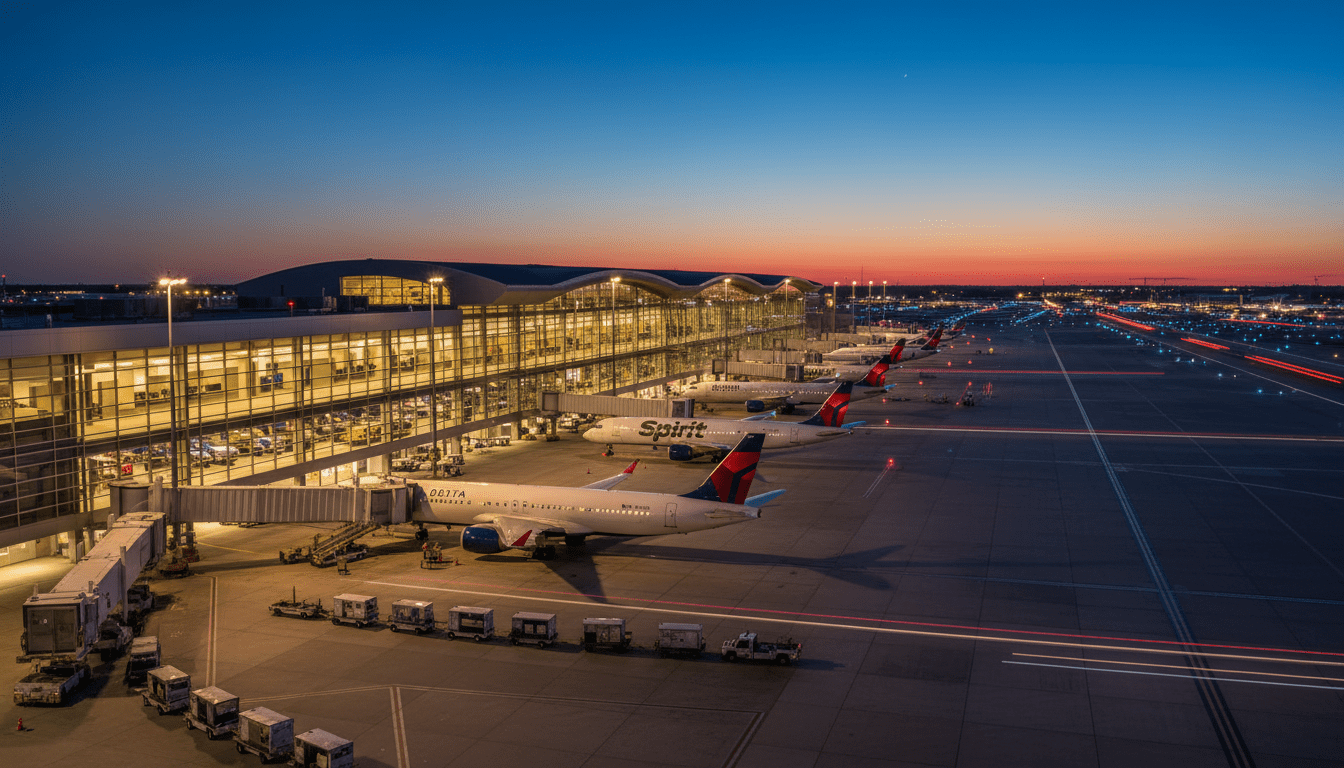
Detroit Metropolitan Wayne County Airport (DTW) continues to serve as a critical gateway for the Great Lakes region, yet the transition into 2026 has brought a new set of operational challenges and security considerations. As passenger volumes reach record highs, the frequency and nature of Detroit Airport incidents have shifted, driven largely by emerging technology and evolving federal security protocols.
According to the Wayne County Airport Authority (WCAA), the start of the 2026 travel season saw a 4% increase in reported disruptions compared to the previous year. While the majority of these events are classified as minor technical delays or logistical bottlenecks, the data highlights a growing complexity in managing one of the nation’s busiest hubs. Local travelers are being urged to stay informed about changes in TSA procedures and ongoing infrastructure renovations at the McNamara Terminal.
The Nature of Security and Operational Disruptions at DTW
In recent months, the types of Detroit Airport incidents reported have largely centered on security checkpoint delays and the integration of new biometric screening systems. The Transportation Security Administration (TSA) has recently deployed upgraded scanning hardware across both the Evans and McNamara terminals. While these systems are designed to enhance long-term safety, the initial learning curve has led to temporary bottlenecks and several “security pauses” during peak morning hours.
Reports from the TSA indicate that prohibited items remain a recurring issue at DTW checkpoints. In 2025, the airport saw a slight uptick in the discovery of firearms and unauthorized lithium-ion battery packs. This trend has prompted the WCAA to launch an aggressive public awareness campaign titled ‘Pack Smart Detroit,’ aimed at reducing the number of security-related Detroit Airport incidents before they cause terminal-wide delays.
In addition to security, weather-related incidents have played a significant role in early 2026. Data from the National Weather Service (NWS) suggests that unpredictable ice patterns in the Midwest have required more frequent de-icing operations, an essential safety measure that, if not managed perfectly, can lead to cascading flight cancellations. In several cases, these delays were compounded by the ongoing upgrades to DTW’s runway lighting systems, part of a multi-year modernization effort.
Impact on Detroit Residents and Local Travelers
For the thousands of Detroiters who rely on DTW for business and leisure, these incidents translate to more than just lost time. Frequent travelers have reported that unpredictable wait times at security have forced a change in behavior, with many now arriving at the airport three hours before domestic departures. This shift has put additional strain on airport parking facilities, which have reached capacity multiple times during the first quarter of 2026.
Local business owners near the Romulus area have also noted the ripple effects of airport disruptions. “When there is a major technical glitch or a weather-related delay at Metro, we see an immediate surge in hotel bookings and a strain on local ride-share availability,” said a representative from the Romulus Chamber of Commerce. For Detroit residents, the primary concern remains the cost and reliability of travel. As the airport navigates these growing pains, the efficiency of ground transportation to and from the city has become a focal point of local advocacy groups.
Background and Data: The WCAA Annual Report
The Wayne County Airport Authority recently released its operational summary, providing context for the current state of the facility. The report shows that while the number of individual Detroit Airport incidents per 100,000 passengers has remained relatively stable, the visibility of these events has increased due to real-time reporting on social media and digital travel apps.
The WCAA identifies three primary factors contributing to current operational friction:
- Labor Shortages in Ground Handling: A deficit in ramp agents and baggage handlers has occasionally led to “ramp freezes,” where planes are unable to deplane passengers promptly.
- Technical Infrastructure Aging: Older sections of the terminal digital backbone are being replaced, a process that has occasionally caused intermittent outages in check-in kiosks.
- Passenger Growth: DTW is currently handling nearly 115% of its pre-2020 international capacity, testing the limits of Customs and Border Protection (CBP) staffing levels.
Comparing DTW to other regional hubs like Chicago O’Hare or Minneapolis-St. Paul, Detroit maintains a high safety rating. However, the density of traffic means that any single incident has a larger potential to impact the broader national airspace. The modernization of Michigan travel corridors is seen as a necessary step to alleviate some of this pressure on the airport.
Safety Protocols and Future Outlook
Looking ahead toward the remainder of 2026, the FAA has authorized a series of safety enhancements specifically for DTW. These include the installation of new surface-detection equipment designed to prevent runway incursions during low-visibility conditions. This technology is expected to drastically reduce the likelihood of ground-based Detroit Airport incidents during the heavy fog and snow common to Michigan winters.
Furthermore, the airport is expanding its “Customer Experience Team,” a group of staff dedicated to assisting passengers during irregular operations. This human-centric approach aims to mitigate the frustration that often accompanies flight disruptions. According to statements from the WCAA, the goal for the latter half of the year is to reduce the average security wait time to under 15 minutes, even during holiday surges.
What Travelers Need to Know Before Heading to DTW
To minimize the impact of potential Detroit Airport incidents on their travel plans, Michigan residents are encouraged to utilize digital tools such as the TSA PreCheck program and the official DTW mobile app, which provides real-time updates on parking availability and security wait times. Travel experts also suggest checking flight statuses before leaving for the airport, as many technical delays are flagged by airlines well before they appear on terminal screens.
While the 2026 landscape presents its share of hurdles, the proactive measures taken by the Wayne County Airport Authority and federal partners suggest a committed effort to maintaining DTW’s status as a premier global hub. By staying informed and allowing for extra time, travelers can navigate the complexities of modern air travel with confidence.